The rise of fast food in Ghana
Ghana’s food-service industry has changed significantly over the past decade. Eating outside the home, ordering meals for delivery and choosing quick-service restaurants have become increasingly common, particularly in urban areas where busy work schedules, commuting and changing lifestyles are influencing how people eat. What was once a relatively small market dominated by a few established […]
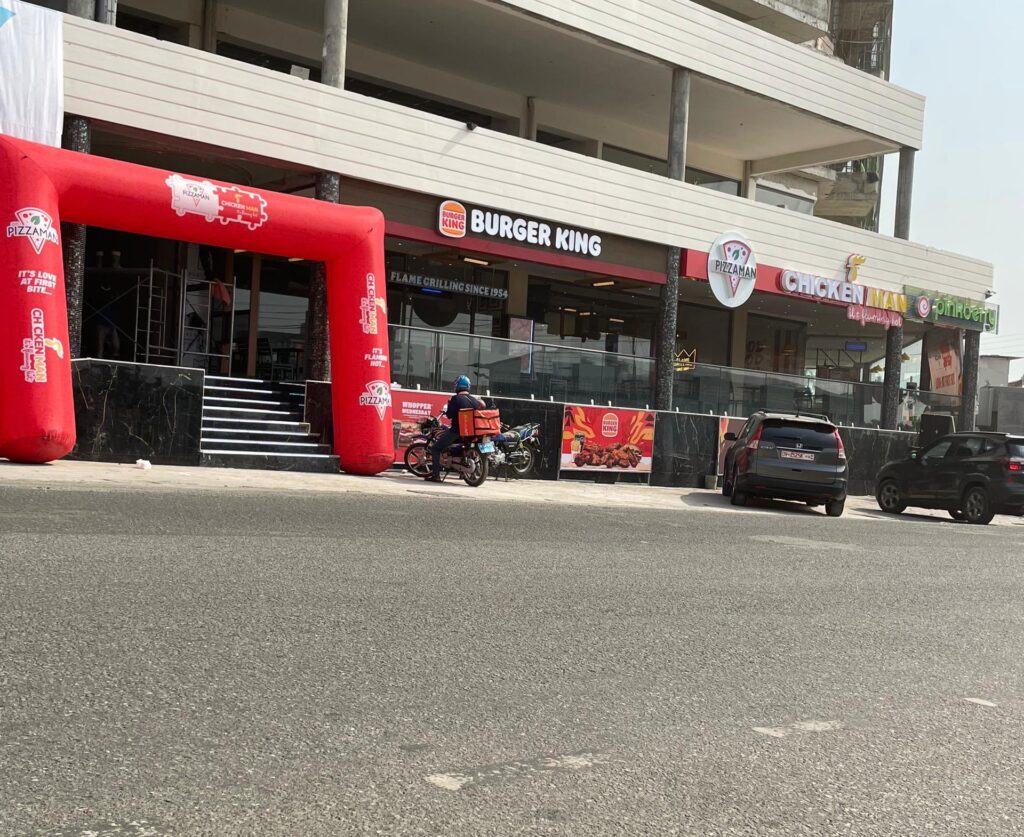
Ghana's food-service industry has undergone significant changes over the past decade, with fast-food consumption becoming more prevalent, particularly in urban areas. The once small market, dominated by a few established restaurants, has transformed into a more competitive sector offering a variety of options, from burgers and pizza to fried chicken, rice dishes, and traditional Ghanaian meals.
This shift in consumer behavior is influenced by factors such as busy work schedules, commuting, and changing lifestyles. What customers now seek includes convenience, affordability, consistency, variety, and accessibility. Additionally, digital ordering and delivery have altered the relationship between restaurants and their customers, providing a new level of ease and flexibility.
One local business capitalizing on this transformation is Pizzaman Chickenman, which has expanded significantly beyond Ghana's major commercial centers. The company's growth mirrors a broader trend in the food-service sector, where locally developed brands are emerging, capable of establishing recognizable identities and serving consumers across different regions.
Pizzaman Chickenman's menu reflects the fusion of international fast-food culture with local tastes, offering pizza and chicken alongside traditional dishes like jollof rice and fried rice.
The rapid growth of Ghana's fast-food sector has also heightened competition. International chains provide established systems, global branding, and standardized products, while local businesses innovate in pricing, menus, locations, and customer engagement. To thrive in this environment, local companies must manage supply chains, maintain consistency across outlets, understand shifting consumer preferences, and integrate technology into their operations.
Pizzaman Chickenman exemplifies a Ghanaian business attempting this scaling process, utilizing digital ordering through its Chris B App to keep pace with the broader movement towards technology-enabled food services. As customers increasingly expect to discover menus, place orders, and arrange delivery without visiting a restaurant, technology is becoming an integral part of the fast-food experience in Ghana.
Beyond consumer preferences, the fast-food industry's expansion positively impacts the Ghanaian economy. Restaurants generate employment across various sectors, including food preparation, hospitality, logistics, administration, technology, and delivery. They also stimulate demand for agricultural products, packaging, transportation, and other services, contributing to a broader domestic value chain.
However, expansion is not without challenges. Rising operating costs, food prices, energy expenses, rent, and maintaining quality across a growing network of outlets pose significant hurdles. Measuring sector growth thus requires more than simply counting the number of new restaurants. The changing behavior of Ghanaian consumers, shaped by time, convenience, and accessibility, plays a crucial role in shaping the industry's future.
As consumer habits continue to evolve, restaurants must balance affordability with rising production costs while maintaining food quality and service standards. Digital ordering, delivery, and data-driven customer engagement are expected to play an even more significant role. Locally adapted menus will remain a key differentiator in a competitive market.
For Ghanaian businesses like Pizzaman Chickenman, sustaining growth while maintaining operational systems and customer relationships is paramount. Their story is emblematic of the broader transformation in Ghana's fast-food industry, reflecting changing lifestyles, evolving consumer expectations, and the growing capacity of Ghanaian businesses to cater to everyday consumer needs.
Written by urgent.news from MyJoyOnline Ghana's reporting — not their text. Machine-written — may contain errors; check the original before relying on it.