Tesla workers balk at training Optimus humanoid robots as replacements
Despite challenges, Tesla aims for 1,000 Optimus robots per week by end of 2026.
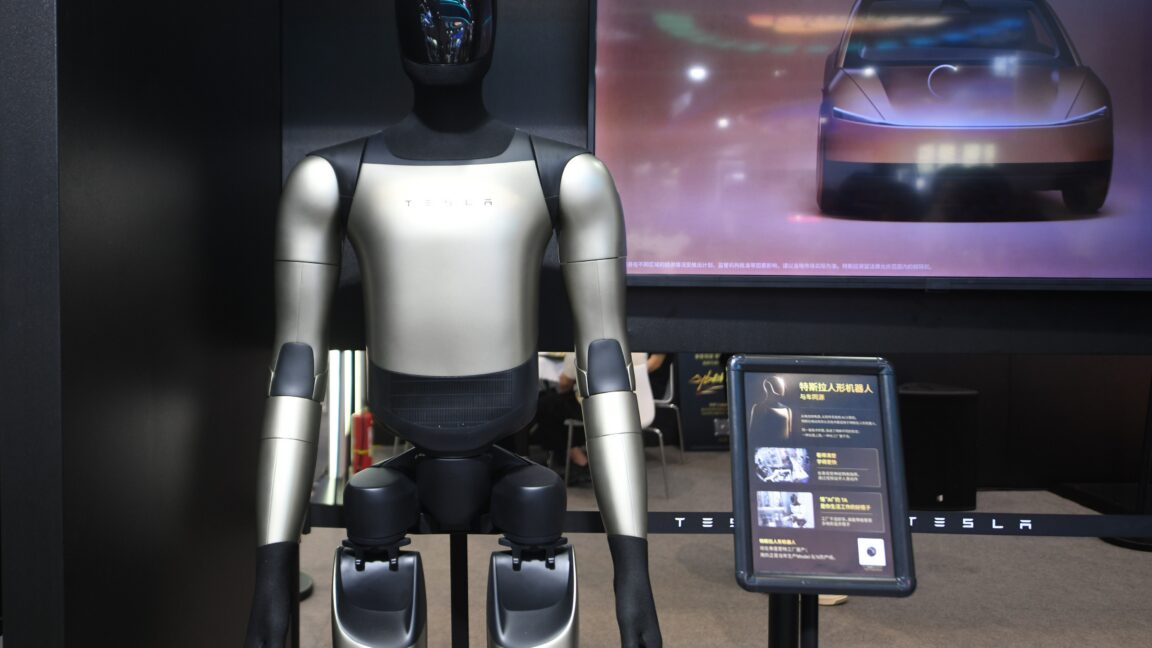
As Tesla transitions from manufacturing electric vehicles to creating humanoid robots, the company faces significant hurdles. One major obstacle is the intricate design of robot hands, which poses a considerable challenge in the development process. Additionally, Tesla employees are expressing dissatisfaction with the training required to work alongside the new robotic counterparts.
The struggle to increase production rates for these humanoid robots has also emerged as a critical issue. Despite Tesla CEO Elon Musk's bold predictions, such as describing the Optimus humanoid robot as potentially "the biggest product ever" during a recent earnings call, the company recognizes that creating an autonomous humanoid robot capable of performing a wide range of tasks is an exceptionally complex task.
The Information has uncovered numerous complications that Tesla is grappling with while striving to develop general-purpose robots and prepare for mass production. As part of this transformation, the Fremont factory in California has already ceased production of the Model S sedan and Model X SUV, with the workforce and engineers now focusing solely on Optimus.
Written by urgent.news from Ars Technica's reporting — not their text. Machine-written — may contain errors; check the original before relying on it.