Researchers: Help NASA Prevent Blood Clot Formation in Space
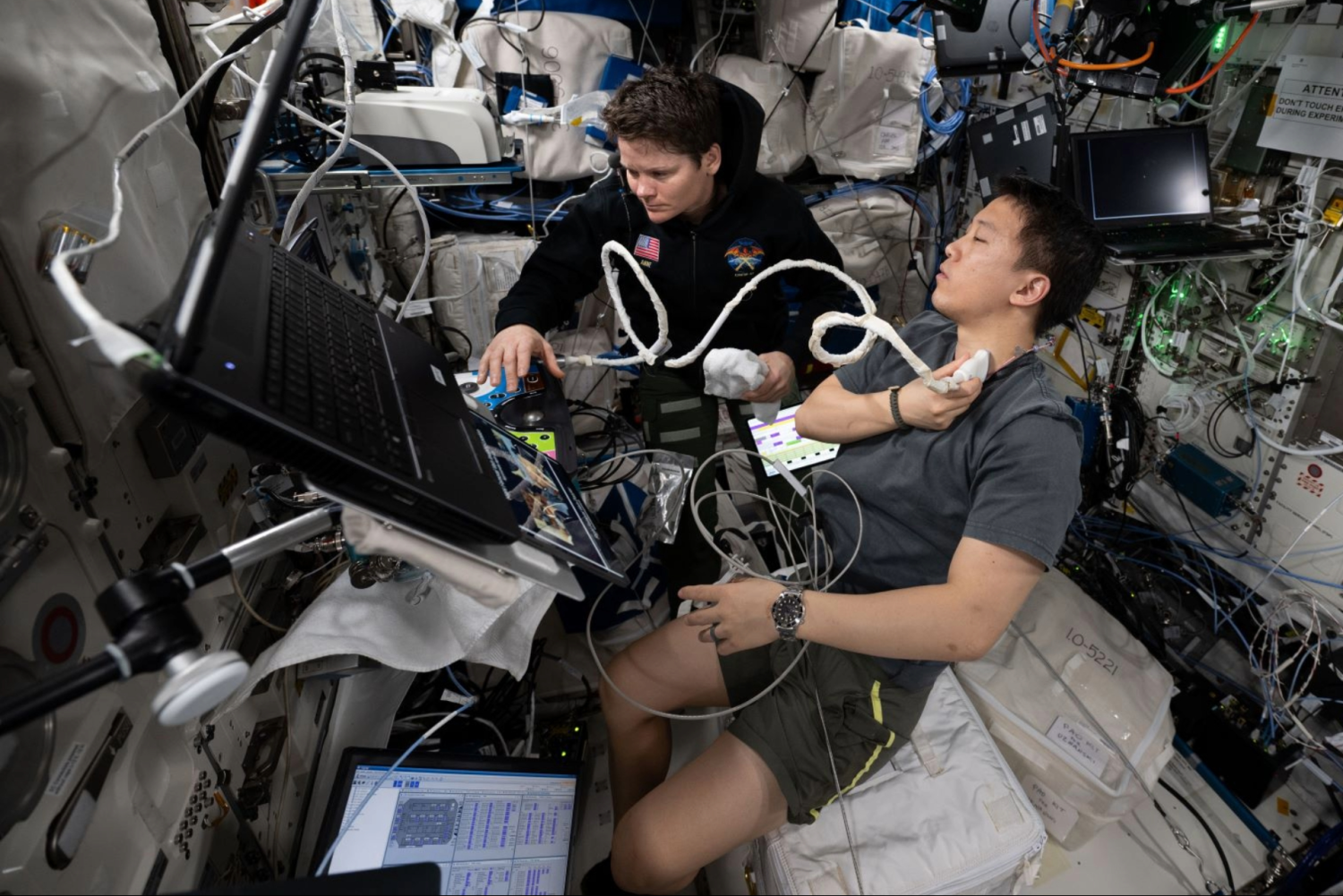
NASA astronaut Anne McClain assists NASA astronaut Jonny Kim with an ultrasound scan aboard the International Space Station. Ultrasound scans help scientists monitor blood flow changes in space. NASA The post Researchers: Help NASA Prevent Blood Clot Formation in Space appeared first on NASA Science .
NASA is seeking innovative methods to monitor, prevent, or treat blood clots, also known as venous thrombosis, that may develop in astronauts during spaceflight. Venous thrombosis typically occurs in deep leg veins after surgery, injury, or extended periods of sitting, but can also affect upper body veins in space. Symptoms may include swelling, redness, and pain, though internal jugular vein clots in the neck may remain symptomless.
NASA's Human Research Program (HRP) aims to explore strategies for detecting and managing these clots. The program is requesting proposals detailing prospective or retrospective research plans, along with budget estimates, for monitoring, reducing the risk of, or treating venous thrombosis during space exploration missions. Submissions should include strategies for approach development, validation, and rationale, and may encompass both research and analysis.
Written by urgent.news from NASA Science's reporting — not their text. Machine-written — may contain errors; check the original before relying on it.