A new technique could accelerate the development of RNA therapies
MIT chemical engineers found a way to rapidly produce lipid nanoparticles of varying sizes, which could make it easier to develop new vaccines and therapeutics.
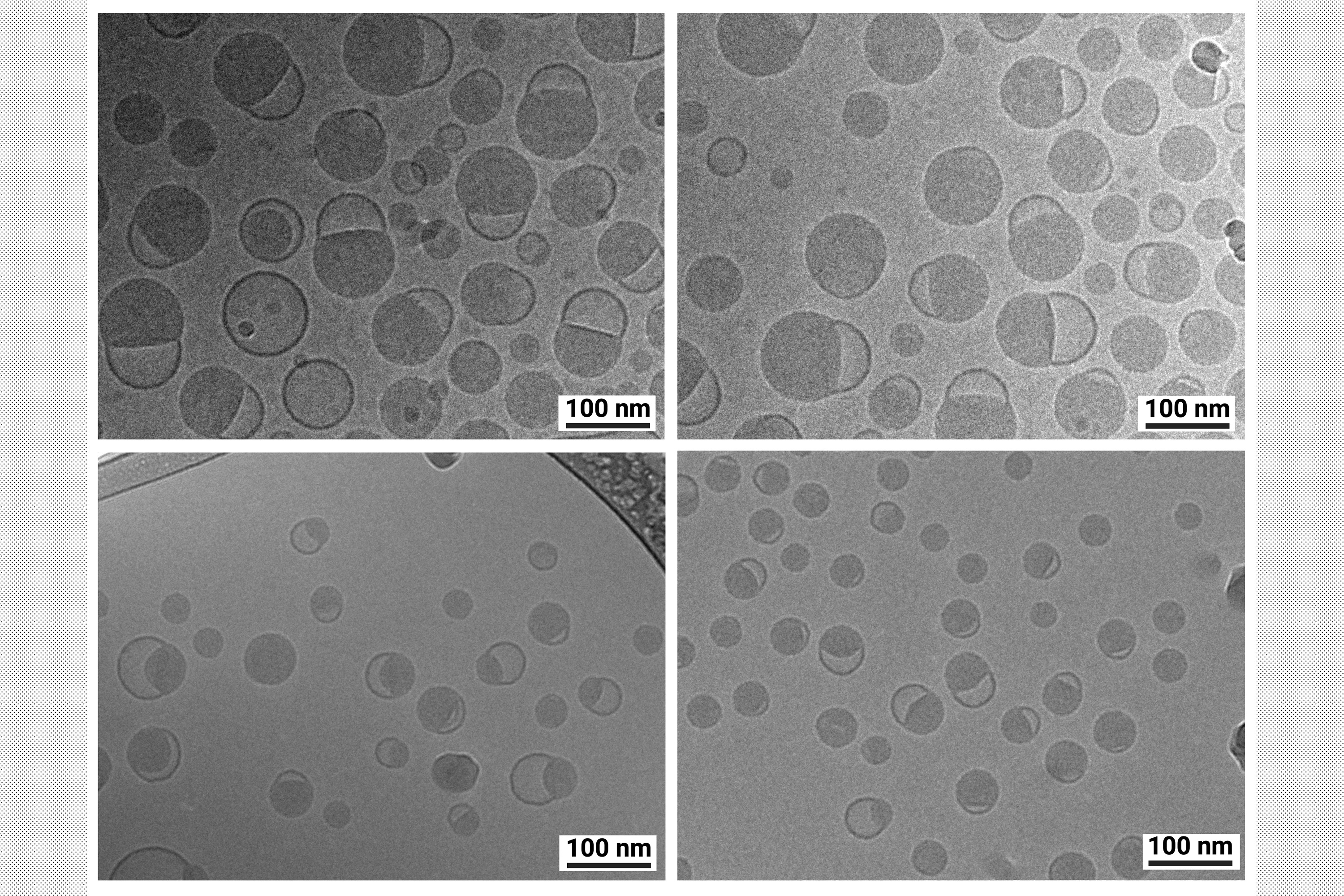
MIT researchers have developed a novel technique for creating lipid nanoparticles (LNPs) that could significantly accelerate the development of RNA therapies. Traditionally, the size and shape of LNPs have been difficult to control, limiting their potential applications. However, the new process allows for precise control over particle parameters, enabling targeted delivery to specific organs and tissues.
The researchers designed a two-step mixing process that can be automated, removing the need for trial-and-error experiments. By adjusting the residence time between mixing stages and altering buffer composition, they can produce LNPs of various sizes and shapes. This breakthrough could open up new possibilities for RNA and DNA therapeutics, as precise control over LNP properties has been a significant challenge in the field.
The researchers also created an automated system that can produce LNPs of specific sizes and shapes based on user input. This automated platform integrates advanced software engineering with chemical engineering, streamlining the process of LNP development. By gathering data from experiments, the team trained a machine-learning model to predict the factors that generate desired particle sizes and shapes.
The implications of this development are substantial, as it could greatly streamline the testing of RNA therapeutics for various applications. The ability to quickly generate LNPs of desired sizes and shapes will help researchers optimize these therapies for specific targets, ultimately accelerating the translation of RNA-based treatments from the lab to the clinic.
Written by urgent.news from MIT News Research's reporting — not their text. Machine-written — may contain errors; check the original before relying on it.