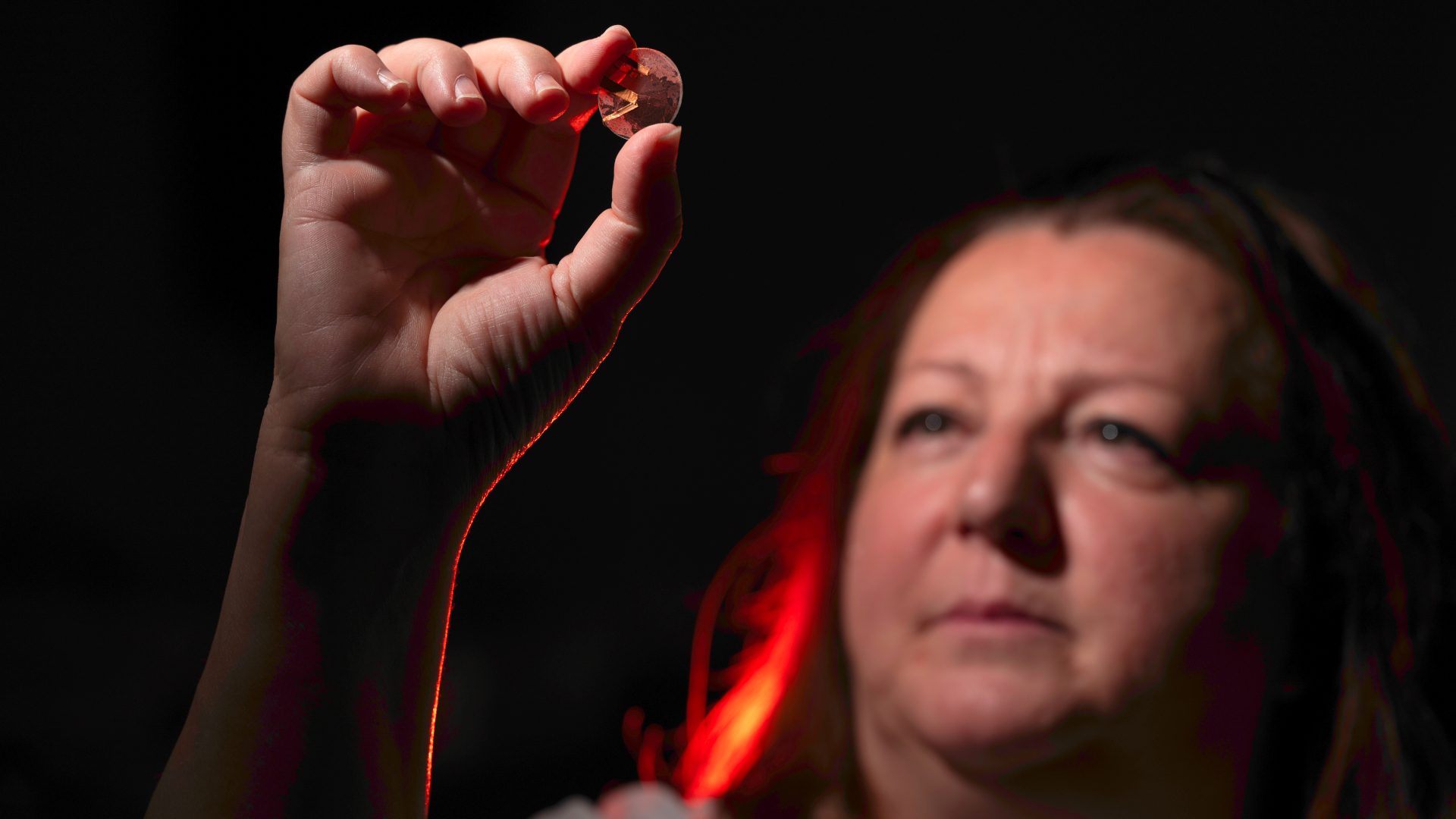
‘Physics is not simply a collection of equations’ for this UL researcher
Dr Maria Alhajji is involved in teaching, research, student supervision, and contributing to departmental education and outreach initiatives. Read more: ‘Physics is not simply a collection of equations’ for this UL researcher
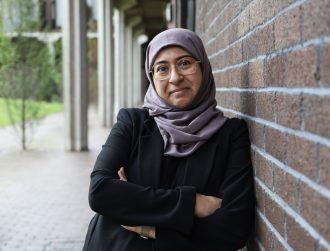
Dr Maria Alhajji, an assistant professor at the University of Limerick's Faculty of Science and Engineering, is driven by the intersection of theory and reality in physics. Her role encompasses teaching, research, supervision, and outreach initiatives. Alhajji is particularly passionate about demonstrating to students and young people that physics is more than just equations; it shapes our everyday lives.
Holding a BSc from King Faisal University in Saudi Arabia and an MSc and PhD from UL, Alhajji's academic background in electrochemistry and energy-storage materials now guides her teaching of various topics including mechanics, electromagnetism, semiconductor devices, electronics, modern physics and materials analysis. She is drawn to electrochemical energy storage because it combines these disciplines and addresses the challenge of storing renewable energy effectively and reliably.
Alhajji's research focuses on understanding how electrode properties influence reactions at their surface and applying these insights to battery design for grid-scale energy storage. She emphasizes the importance of understanding the relationship between a material's structure, surface chemistry, and electrochemical function, particularly at the interface between an electrode and an electrolyte. Small changes in this interface can significantly impact the efficiency and lifetime of the battery.
The connection between theoretical understanding and real-world impact motivates Alhajji's work. She aims to design energy-storage materials that are efficient, durable, scalable, and based on sustainable materials. Iron-based systems, due to their availability and potential cost-effectiveness, are areas of interest. Alhajji's enthusiasm extends to her teaching, where she coordinates UL's annual Sophia Project physics competition for primary-school children, using hands-on experiments to spark curiosity, confidence, and problem-solving skills.
Written by urgent.news from Silicon Republic's reporting — not their text. Machine-written — may contain errors; check the original before relying on it.