Photography is at the heart of remarkable discovery of a new cat species – even if it was science that delivered the definitive proof
Photography kickstarted a decade-long investigation into a little wild cat that would turn out to be a zoological marvel
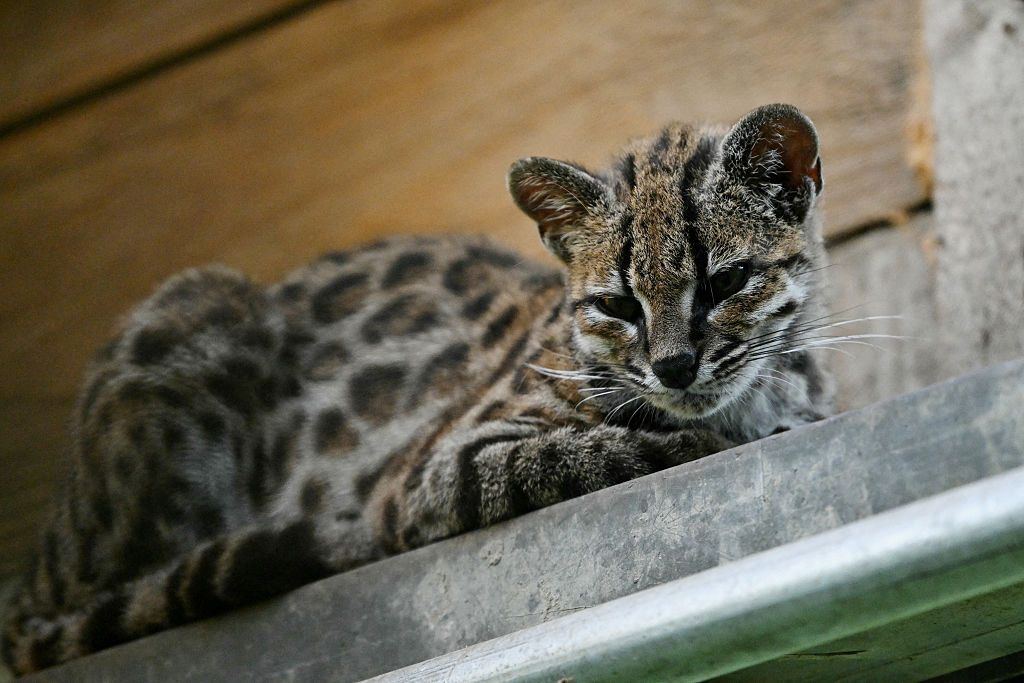
A new cat species has been discovered, marking a significant find in zoology after a century-long wait for such an event. While scientific methods, particularly genomics, were crucial in confirming the species, photography played a pivotal role in the discovery process. Biologist and National Geographic Explorer Paola Nogales-Ascarrunz, who encountered the wild cat in Bolivia, documented her findings with "a hundred pictures."
She later compared another cat's photograph from a guidebook with the new specimen's markings, identifying unique features that confirmed its status as a separate species. Photography has long been a vital tool in zoology, from 19th-century scientific illustrations to modern-day images like Paola's. However, camera traps, while useful for capturing elusive animals in remote or inaccessible areas, also have limitations, such as prevalent misidentification.
Nogales-Ascarrunz's paper underscores these challenges, emphasizing the need for scientific processes like genomics to validate findings. Despite these limitations, camera traps remain invaluable for documenting wildlife, particularly for elusive species. Wildlife enthusiasts are advised to consider cameras with long focal lengths, like the Nikon Coolpix P1100 and Sony RX10 V, which offer impressive zoom capabilities and image quality.
Written by urgent.news from Digital Camera World's reporting — not their text. Machine-written — may contain errors; check the original before relying on it.