Our post-carbon future is already here—if you know where to look
This year has seen one environmental catastrophe after another. Collapsing glaciers triggered a devastating flood in Nepal , heat waves in Europe caused more than 35,000 deaths, and extreme temperature swings in the Midwest destroyed crops . “The climate alarm is blaring in every direction,” Simon Stiell, the executive secretary of UN Climate Change, said earlier this year . According to a recent…
The year 2023 has been marked by a series of environmental catastrophes, from collapsing glaciers in Nepal to heat waves in Europe that caused over 35,000 deaths and extreme temperature fluctuations in the Midwest that destroyed crops. According to Simon Stiell, the executive secretary of UN Climate Change, the climate alarm is ringing loudly in every direction.
The latest report from the UN warns that the world is on track to cross the critical threshold of a 1.5 degree Celsius (2.7 Fahrenheit) average warming within the next few years, a level that the 2016 Paris Agreement identified as a tipping point demanding net-zero global carbon emissions by 2050.
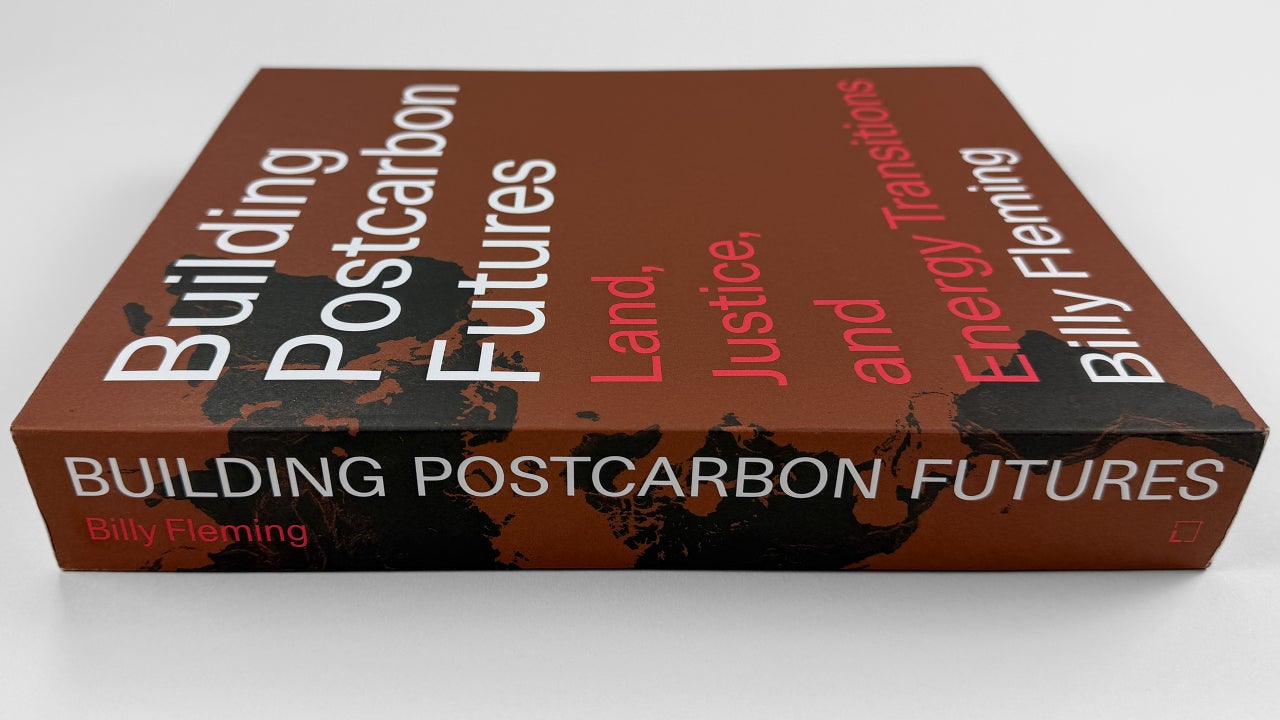
Despite the dire headlines, there are reasons to remain optimistic about tackling climate change, as highlighted in a new book titled Building Postcarbon Futures: Land, Justice, and Energy Transitions by landscape architect Billy Fleming. The 26 case studies from 43 countries and six continents showcase proven methods that communities are employing to combat decarbonization.
Fleming, an associate professor of landscape architecture at Temple University and a policy advisor to the Obama administration, emphasizes that these solutions challenge conventional ownership structures and prioritize innovative knowledge and techniques.
The book arrives at a time when extreme environmental conditions have become the norm. The author, reflecting on the book's creation process, which spanned five to six years, acknowledges the long-standing bleakness in the environmental and climate justice movement. However, he sees this work as a response to the frustration experienced by the fields of designers, planners, and climate policy experts who often overlook imperfect, yet effective solutions to climate action.
Fleming's book focuses on real-world examples where communities have already begun to implement climate justice. These projects demonstrate how people can thrive in a world with more heat, water, and volatility. The examples include swimmable urban rivers, affordable housing, and architectural salvage, all of which are grounded in reality rather than speculative climate fiction.
By showcasing these existing exemplary works, Fleming aims to inspire designers, policymakers, and everyday readers to work towards a postcarbon future that is equitable, just, and environmentally sensitive.
Written by urgent.news from Fast Company's reporting — not their text. Machine-written — may contain errors; check the original before relying on it.