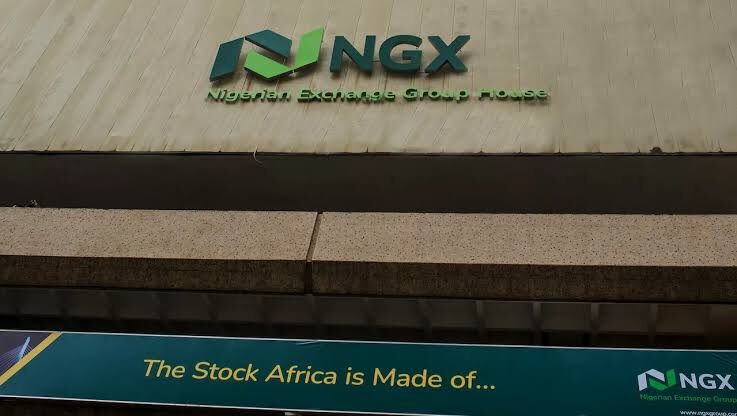
NGX hits new highs of N163.7trn while FTSE stocks drag feet
Nigeria’s equities market extended its winning streak to a fresh record on Thursday, fueled by strong oil and gas gains read more NGX hits new highs of N163.7trn while FTSE stocks drag feet
Oil prices declined on Friday as reports emerged that the U.S. and Iran were considering a phased deal to reopen the Strait of Hormuz, diminishing some supply worries. However, a Houthi missile strike on Saudi Arabia maintained elevated geopolitical risks. As of 04:02 ET (08:02 GMT), benchmark Brent crude futures for November expired at $106.15 per barrel, while U.S. West Texas Intermediate (WTI) crude futures dropped 1.1% to $93.62 per barrel.
Both markets initially surged 5% the previous day before pulling back following the news of the U.S.-Iran talks. The escalation of concerns began on Thursday when Saudi Arabia reported intercepting six ballistic missiles launched by Iran-backed Houthis at various targets, including Taif and Yanbu on the Red Sea. The attacks reignited fears about Saudi oil infrastructure and export routes, particularly following earlier damage to the kingdom's east-west pipeline that hindered crude shipments to Yanbu, a key Red Sea export hub.
Although Saudi Arabia has ramped up crude pumping toward Yanbu, tanker loadings from the port have not fully returned to normal. Analysts at BMO Capital Markets mentioned that supply concerns in Saudi crude are "emerging again" due to the pipeline's partial reopening and ongoing Houthi attacks. However, the market rally was dampened by reports suggesting the U.S. and Iran negotiators in New York were considering a phased approach out of the conflict, which would involve Tehran reopening the Strait of Hormuz in exchange for Washington lifting its economic sanctions on Iran.
Reuters noted that only 17 commodity vessels crossed Hormuz over a recent weekend, compared to an average of 125 vessels a day before the war. Despite these supply concerns, U.S. inventory data this week provided some relief. Commercial crude stocks increased by 3 million barrels during the week ended September 18, surpassing analysts' expectations for a 641,000-barrel decrease.
Gasoline inventories fell 1.7 million barrels, while distillates declined 400,000 barrels. In addition, U.S. diesel prices reached record levels, prompting the Trump administration to consider measures to boost domestic diesel supplies, including a voluntary export restriction, according to Reuters.
Written by urgent.news from Hellenic Shipping News's reporting — not their text. Machine-written — may contain errors; check the original before relying on it.
This story
This is one outlet's version. Read the fullest account.
- FTSE 100 Live: Stocks to rebound as oil drops back on hopes of Hormuz deal cityam.com
- Oil dips after sharp gains as U.S., Iran reportedly explore Hormuz deal investing.com
- Oil dips after sharp gains as U.S., Iran reportedly explore Hormuz deal hellenicshippingnews.com
- FTSE 100 Live: Stocks Set for Rebound, Pounds Sits Close to $1.32 bloomberg.com