NASA teases new PRIMA telescope that could see what even the James Webb telescope can't
NASA has announced that a new telescope concept called PRIMA is moving forward in consideration for a 2033 launch to look at the origins of planets and galaxies.
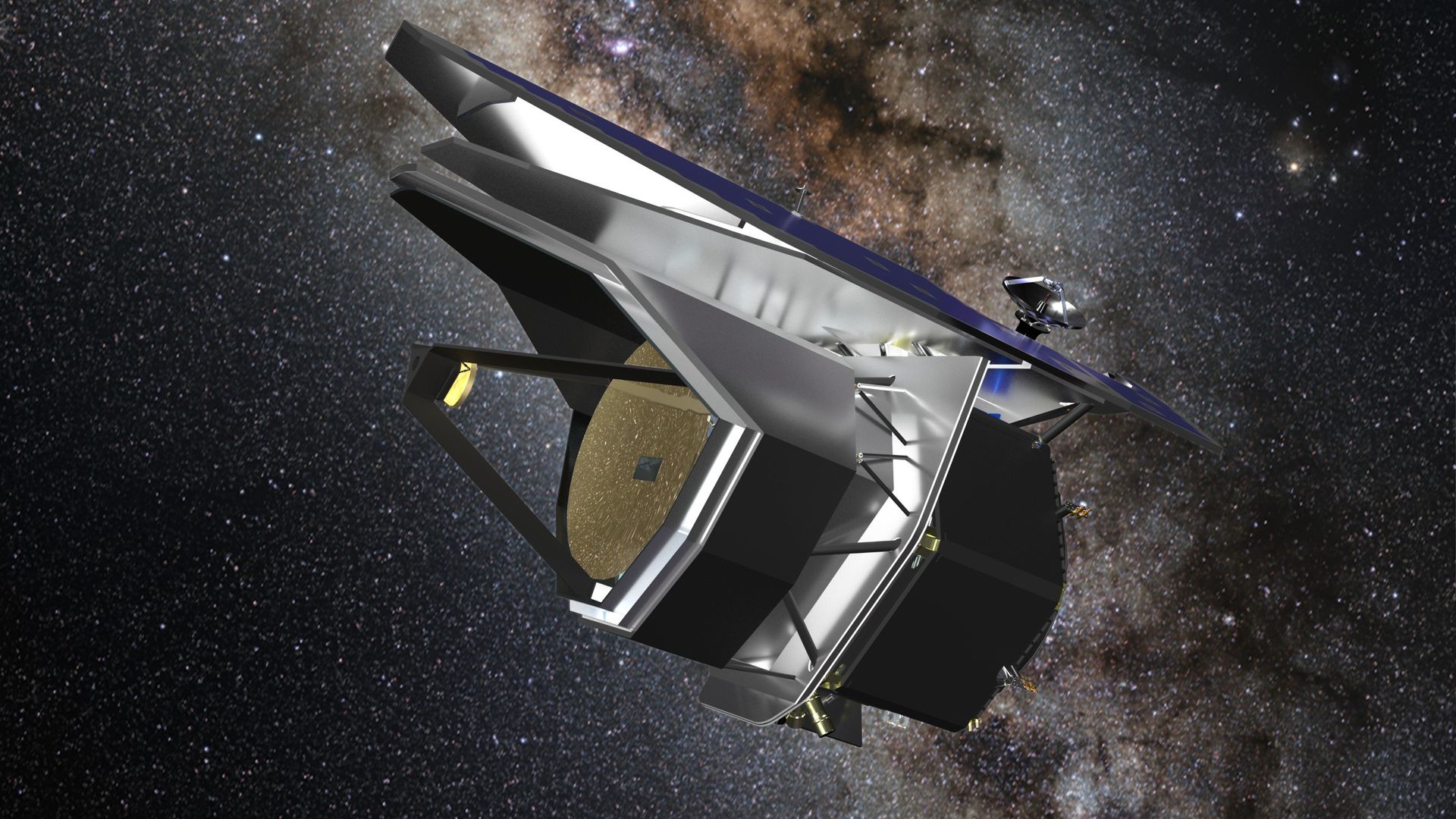
NASA is developing a new space telescope called PRIMA (Probe far-Infrared Mission for Astrophysics) that will peer deeper into the infrared universe than the James Webb Space Telescope. The mission is progressing through Phase B, with managers set to review its status before launch, potentially in 2033. PRIMA's 5.9-foot telescope will focus on far-infrared wavelengths to study exoplanet origins, galaxy growth, and black hole evolution.
It aims to quantify water's role in planet formation, determine gas masses and elemental abundances in protoplanetary disks, and explore powerful molecular outflows shaping star formation and supermassive black holes. PRIMA costs $1.2 billion, excluding launch expenses, and is the first in a new class of NASA's Probe Explorers, which bridge the gap between flagship missions like JWST and smaller, lower-cost endeavors.
The mission was selected based on its scientific merit, development feasibility, and alignment with future large mission technologies. NASA's Jet Propulsion Laboratory will lead the project, with input from multiple NASA centers and international partners.
Written by urgent.news from Live Science's reporting — not their text. Machine-written — may contain errors; check the original before relying on it.