MIT students gain a humanist lens on technical innovation in Tulsa, Oklahoma
The PKG Center for Social Impact expands Code.Tulsa experiential learning program.
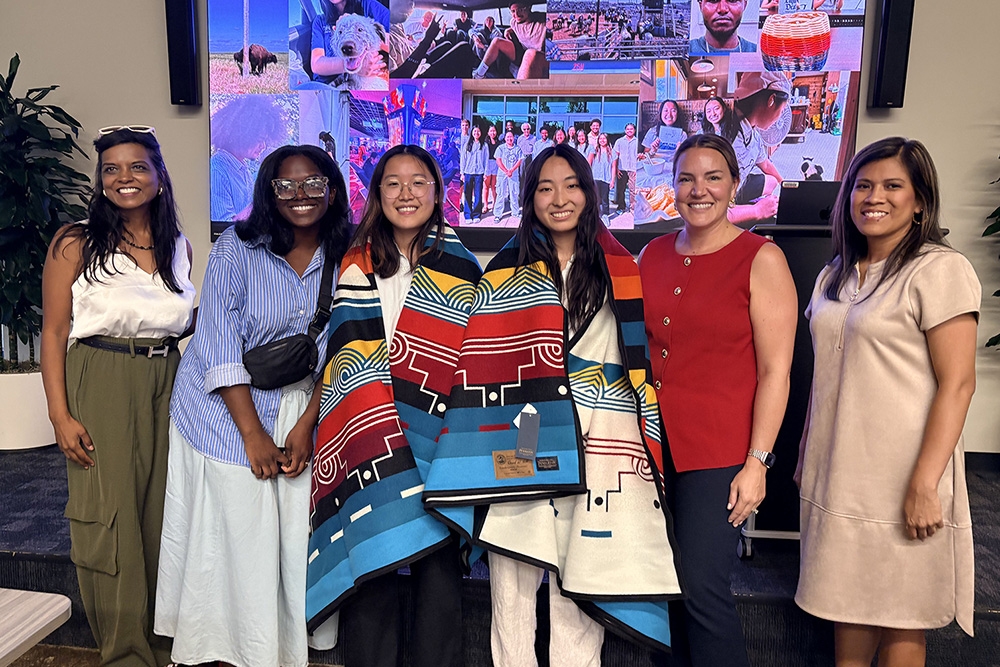
Last summer, MIT mechanical engineering student Daphne Wang interned at the Muscogee Creek Nation Department of Health in Tulsa, Oklahoma. Initially expecting to code, she instead analyzed tribal history and its implications for technical innovation. Wang says the experience taught her a valuable humanist perspective that should be required for all individuals.
Wang and her fellow intern Lucy Sun supported the creation of the Muscogee Nation's first Pregnancy Risk Assessment Monitoring System (PRAMS) survey to gather maternal health data specific to Muscogee women. The project required literature reviews, data analysis, and survey development, all while considering data sovereignty and governance structures unique to the Muscogee.
Wang described the experience as a stark contrast to her MIT coursework, which primarily focused on technical challenges without addressing cultural and historical dimensions. Her supervisor, epidemiologist Breanna McNaughton-Long, praised Wang and Sun's contributions, acknowledging their pivotal role in achieving the project's goals.
Code.Tulsa, an experiential learning program founded by MIT sophomore Jack Carson, offers undergraduates a unique blend of engineering and humanities. Carson, a member of the Cherokee Nation, recognized the need for STEM education among rural Native students and developed a week-long camp at the University of Tulsa. The camp, now in its second year, attracted 10 MIT undergraduates who interned with the Muscogee and Cherokee nations, as well as local nonprofits.
The program not only provided technical training but also emphasized the cultural and historical significance of tech-based development in Tulsa. Students like Chenise Harper, an electrical engineering major, and Alyssa Theofanidis, a high school senior, expressed newfound confidence in their ability to make social changes through STEM education.
The program's impact extended beyond the campers, inspiring future leaders like Cherokee Nation Principal Chief Chuck Hoskin Jr. to embrace technology for the collective good.
Written by urgent.news from MIT News AI's reporting — not their text. Machine-written — may contain errors; check the original before relying on it.