Minister tries to keep growth spirit alive amid bleak outlook
A government minister has moved to keep people’s optimism about the UK economy and spending afloat amid fears that interest rate hikes and a difficult Budget could dampen spirits. Several analysts, such as those at the research company GfK, have recorded a boost in consumer confidence in the months since Andy Burnham became PM. The UK [...]
A government minister, Andy Burnham, is attempting to maintain a positive outlook on the UK economy and spending despite concerns that interest rate hikes and a challenging Budget could dampen spirits. GfK research indicated a rise in consumer confidence since Burnham's appointment as Prime Minister. The UK economy grew by approximately one percent in the first half of the year, surpassing expectations.
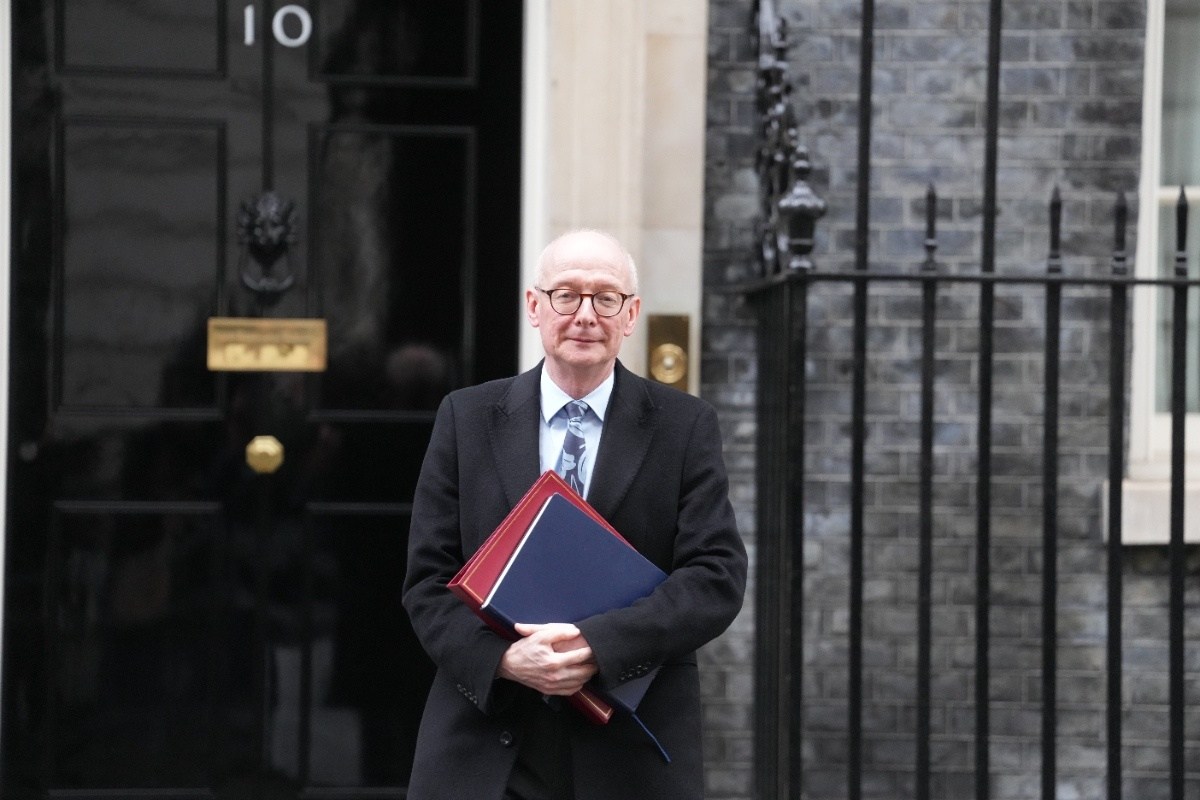
However, some analysts, including those at AJ Bell, warn that a decline in sentiment levels is likely due to a less optimistic outlook on growth for the remainder of the year. Factors such as surging energy costs and potential mortgage increases from higher interest rates are contributing to this uncertainty. Pat McFadden, the work and pensions secretary, tried to boost morale by stating that the Budget would increase confidence among households and businesses.
He assured the Financial Times, "I've known John [Healey] for decades. I know he'll approach this in a really responsible way," emphasizing stability and investment opportunities for businesses.
Consumer confidence surged to a two-year high in September, according to GfK, but analysts are concerned that rising inflation could hinder further progress. Dan Coatsworth from AJ Bell noted that the September data improvements were primarily due to a more favorable view of the economy and personal finances. However, there is a significant risk that this positivity could fade if the Budget introduces tax changes and high oil prices result in higher borrowing costs, leading to increased prices for goods and services, and putting pressure on consumers.
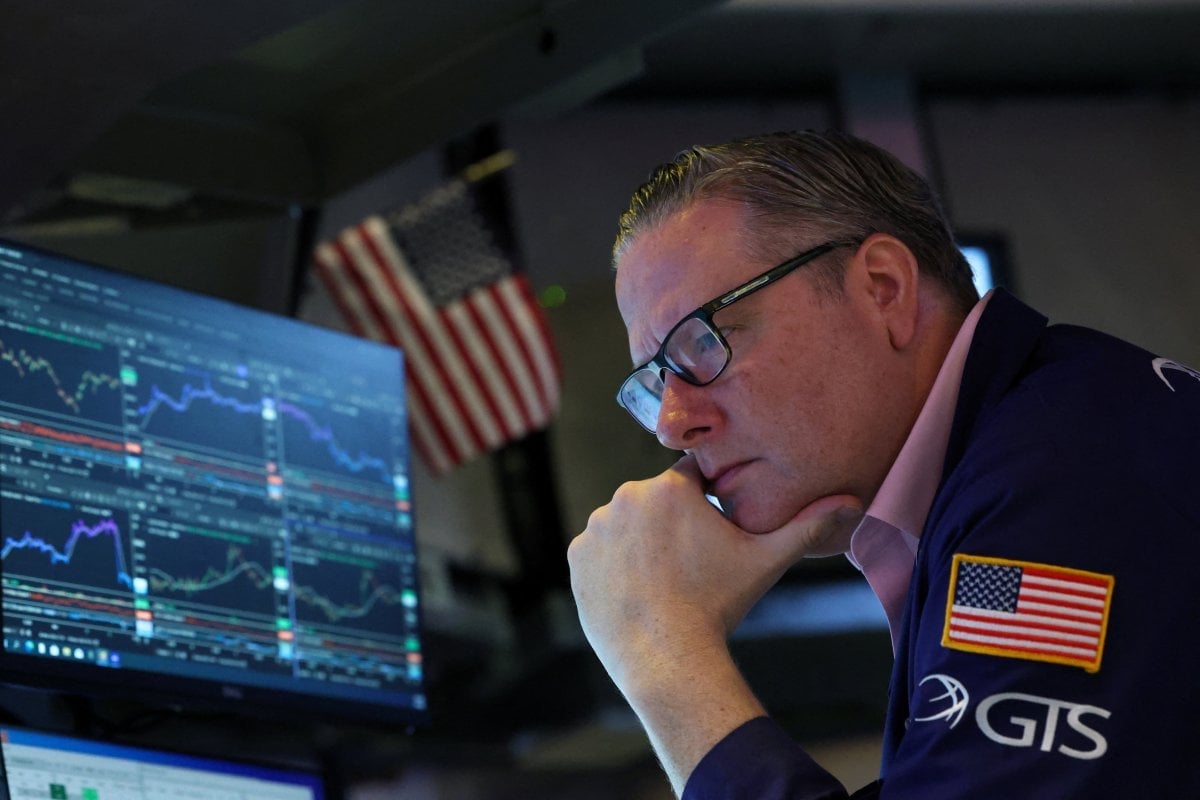
A notable indicator of market skepticism was the adjustment in economic forecasts by Wall Street bank Morgan Stanley, which anticipated two consecutive 25 basis point interest rate hikes in November and February. The bank advised clients to expect these hikes to be followed by a slowdown in growth at the beginning of the next year.
Bankers Bruna Skarica and Fabio Bassanin stated that while they still believe oil and refined product supply improvements could prevent the Bank of England from raising rates, the recent Middle East situation makes maintaining a prolonged hold challenging. Professor David Miles, a member of the Office for Budget Responsibility, attributed part of the UK's public debt issue to the public's lack of reduced expectations regarding government support and the level of public services in line with limited resources resulting from poor productivity.
Written by urgent.news from City AM's reporting — not their text. Machine-written — may contain errors; check the original before relying on it.