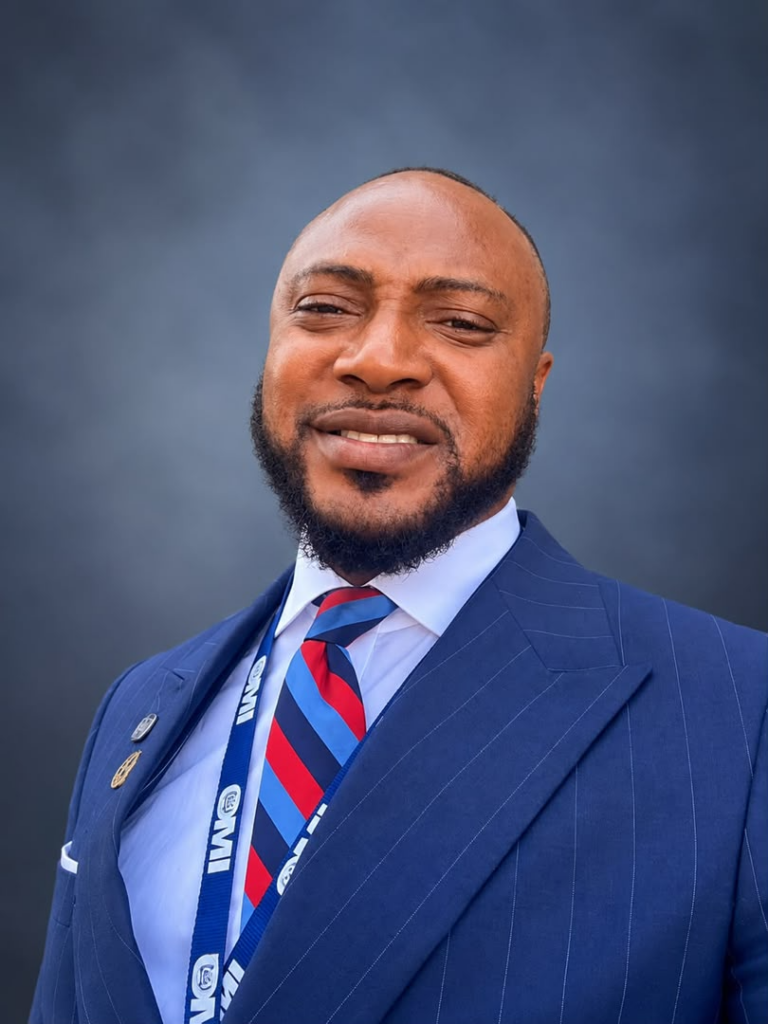
McDAN warns SMEs against founder-dependent growth, urges stronger systems
Founder and Executive Chairman of McDan Group, Dr Daniel McKorley, has cautioned entrepreneurs against allowing their businesses to remain overly dependent on them as they grow. According to him, many businesses begin to struggle when they transition from a small, founder-led operation into an expanding enterprise without putting proper systems, structures and corporate governance in […]
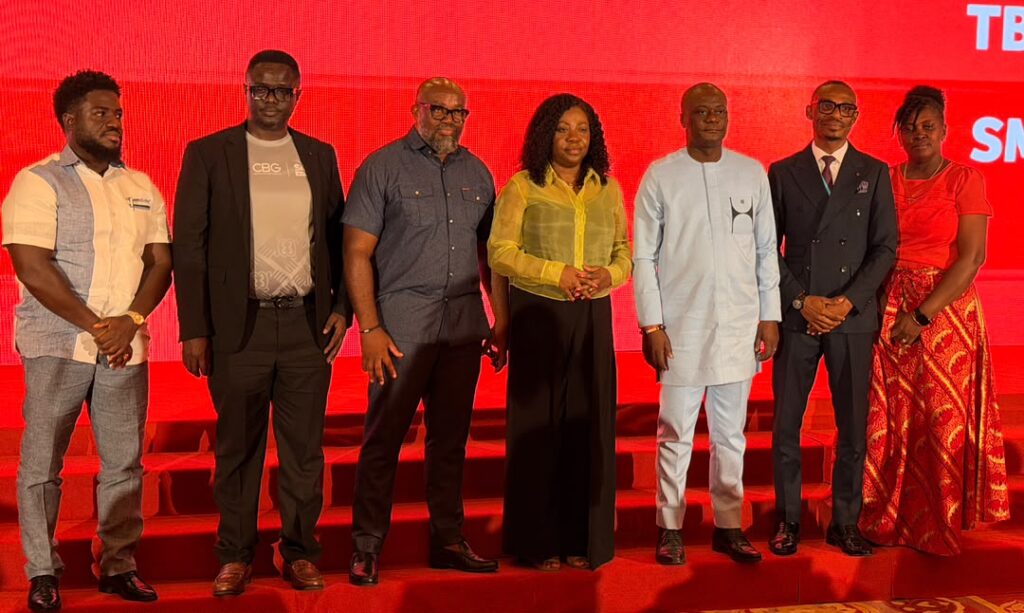
Dr. Daniel McKorley, the Founder and Executive Chairman of the McDan Group, has warned small and medium-sized enterprises (SMEs) against relying too heavily on their founders as they expand. At the Telecel Business Runway in Takoradi, Dr. McKorley outlined three stages of business development: the infant, organic, and corporate stages.
In the infant stage, the entrepreneur often handles all aspects of the business, from cleaning to accounting to sales. The organic stage, he noted, is where businesses start making money and attracting more people, but can become vulnerable due to weak structures and poor management decisions. Dr. McKorley cautioned against equating growing revenue with a properly structured business.
He emphasized that the foundation of a strong company lies in systems, structures, and corporate governance. At the organic stage, one challenge entrepreneurs face is managing employees who were brought in due to personal relationships. To ensure growth, entrepreneurs must be prepared to make difficult staffing decisions, including hiring and firing.
Dr. McKorley shared his experience in the logistics business, where he operated around 220 trucks across West Africa. After analyzing the fleet's performance, he found that only about 61 trucks were generating meaningful returns, while the rest were contributing to debts and liabilities. This reinforced the importance of regularly assessing business operations to identify value-creating elements.
Dr. McKorley also stressed the significance of investing in human capital, despite the risk of losing trained employees to competitors or new ventures. He recounted an instance where he traveled to a cargo conference with two of his staff, while another CEO attended alone. The CEO explained that he had stopped training employees, as those he trained often left to start their own businesses.
Dr. McKorley, however, adopted a different approach, training ten people, with the expectation that nine would leave and one would remain. This strategy has helped him build a workforce that includes individuals who have stayed with the company.
Written by urgent.news from Joy Business's reporting — not their text. Machine-written — may contain errors; check the original before relying on it.