MapQuest GM goes where his app says: Lake Ontario
When MapQuest's general manager woke up in Toronto on Thursday morning, the Texan visiting for a conference knew he couldn't leave without visiting one place.
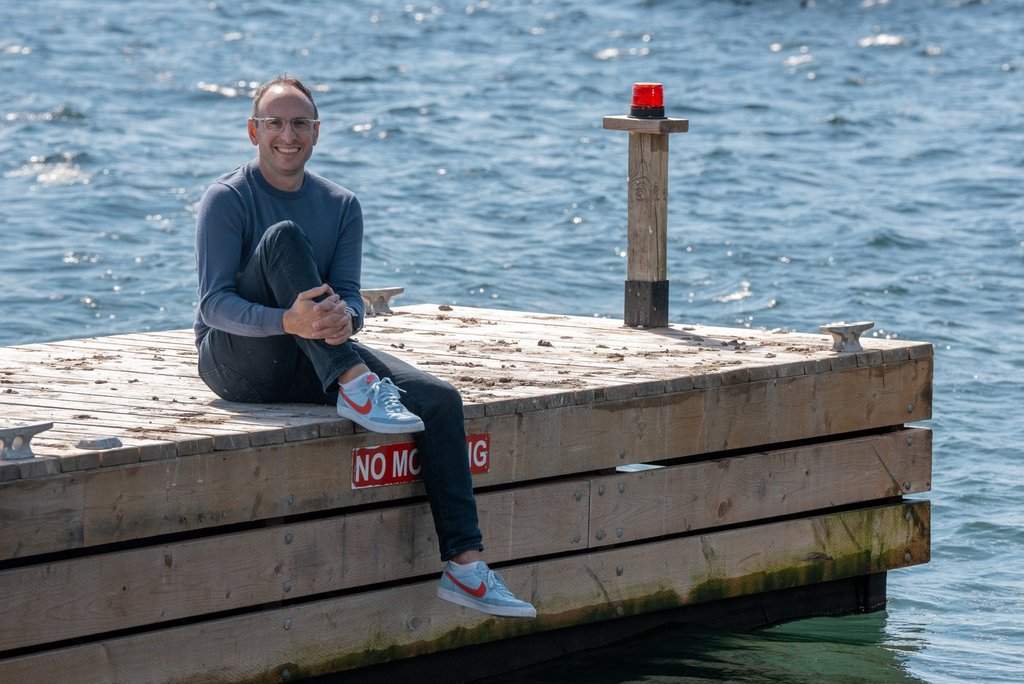
On Thursday, MapQuest's general manager Doug Berger found himself in Toronto, eager to visit Lake Ontario. The lake had become a significant talking point for the company after it decided not to rename it to Lake America, unlike many of its competitors, who followed President Donald Trump's directive. Berger explained that MapQuest made this choice to maintain the app's familiarity and integrity for its users.
The company, which now has roughly 50 employees, prides itself on its nimble team and independence compared to larger tech firms. Since Trump's executive order, three million new users have downloaded the app, with many Canadians expressing their respect for MapQuest's stance. The positive reception has led the company to offer merchandise and encourage further improvements, such as adding local transit options and Android Auto support.
While MapQuest may no longer be the dominant player it once was, Berger believes that the attention surrounding the Lake Ontario renaming has been beneficial, sparking discussions about geography and fostering interest in the company's daily operations.
Written by urgent.news from Global News's reporting — not their text. Machine-written — may contain errors; check the original before relying on it.
This story
This is one outlet's version. Read the fullest account.
- MapQuest GM goes where his app says: Lake Ontario winnipegfreepress.com
- MapQuest GM goes where his app says: Lake Ontario toronto.citynews.ca