Indonesia's PLN Targets 60 Million Tons of Biomass for Energy Supply
PLN EPI has used biomass through co-firing, a practice that has been implemented at 52 steam power plants (PLTU).
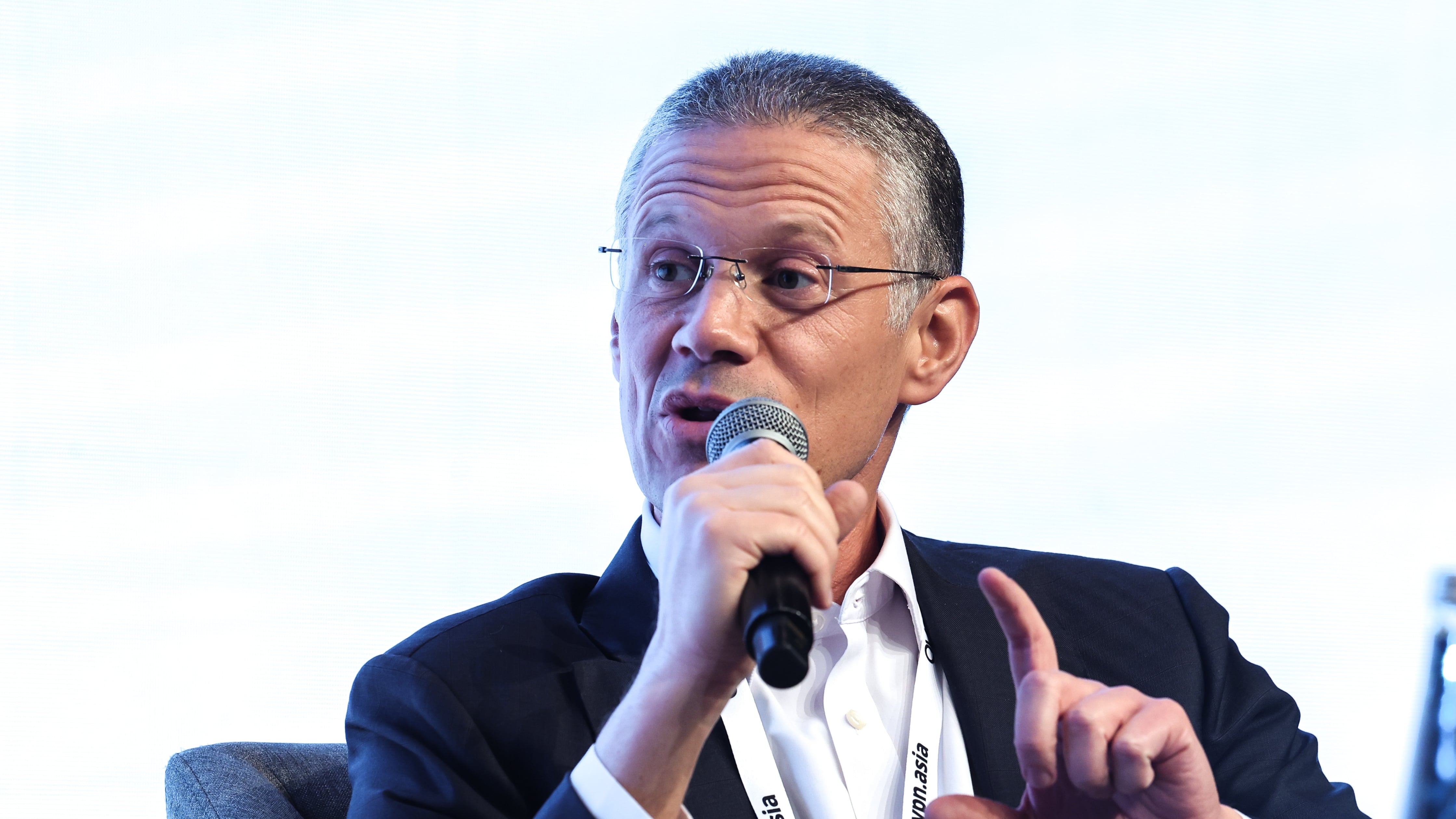
PT PLN Energi Primer Indonesia (PLN EPI) has identified around 60.6 million tons of potential biomass for energy production in Indonesia. This initiative is a part of the company's aim to grow its bioenergy business and promote the shift to cleaner energy sources. Anita Puspita Sari, the VP of Strategy & Business Development for Biomass at PLN EPI, mentioned that the biomass sources are diverse, including agricultural waste, plantations, forestry, industries, and urban waste.
Anita described biomass potential as more than just raw material availability. She highlighted the need to evaluate technical aspects, economics, accessibility, and supply chain readiness before converting biomass into energy products. PLN EPI has mapped several bioenergy development paths, such as biomass, biochar, syngas, biohydrogen, compressed biogas (CBG), waste management, biofuels, and bioethanol.
These different forms of biomass can support co-firing in steam power plants, meet industrial needs, and cater to export markets.
The company has also explored technology for transforming biomass into biochar through torrefaction or pyrolysis and biomass gasification into syngas to support diesel power plants' dieselization. PLN EPI sees possibilities in creating biohydrogen for industrial applications, such as the fertilizer industry, and as a sustainable export fuel. CBG is expected to become an alternative fuel for co-firing with natural gas at gas-fired plants.
Anita further discussed PLN's deployment of biomass through co-firing at 52 power plants, enabling the use of existing infrastructure. The company aims its bioenergy efforts towards domestic industries, independent power producers (IPPs), and export markets. She emphasized that while biomass can be converted into fuels for power plants, PLN EPI remains focused on coal, gas, and fuel industries to ensure a stable electricity supply. In parallel, the company is promoting bioenergy as a low-carbon growth sector.
Written by urgent.news from Tempo.co English's reporting — not their text. Machine-written — may contain errors; check the original before relying on it.