In a US-China world, Asean must do more than avoid choosing sides
The good news is, when US President Donald Trump and Chinese President Xi Jinping met in Washington this week, neither chose confrontation. Amid the high pomp and ceremony, what China has called “constructive strategic stability” continues. Even an uneasy truce in great power relations can be useful. Both recognise the considerable incentive to prevent their economic rivalry from spiralling out…
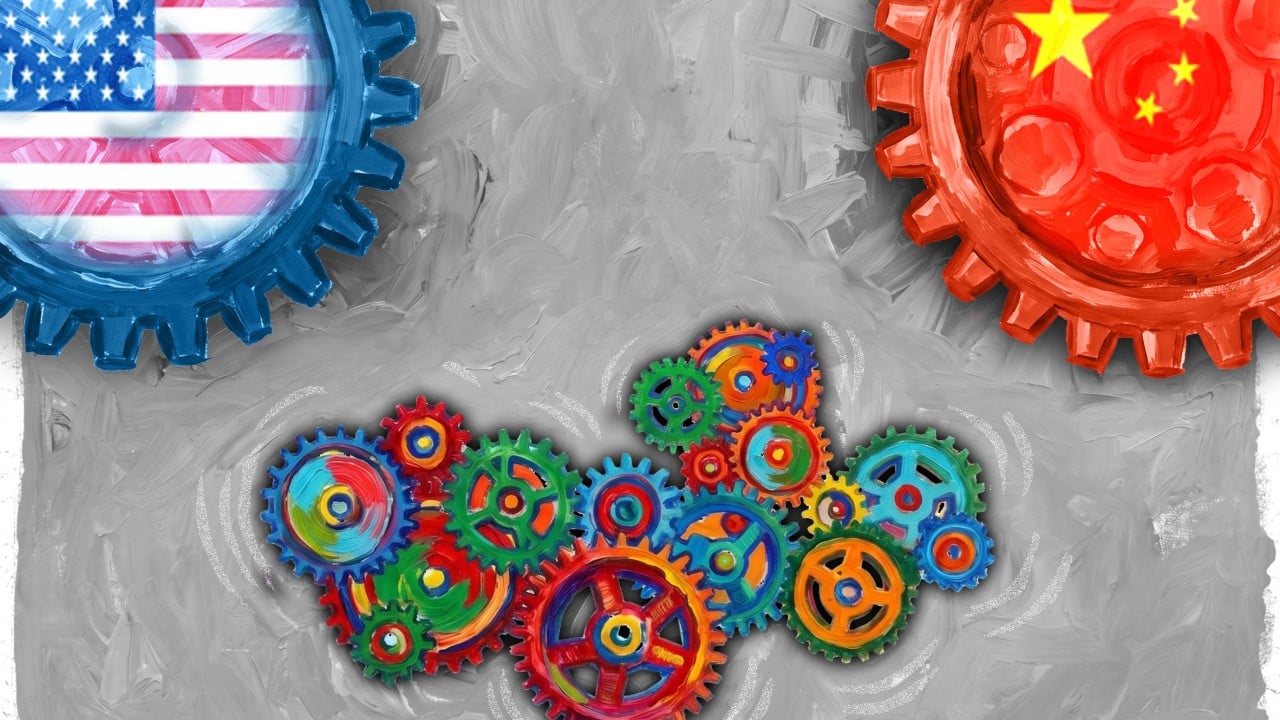
In the current US-China world, the Association of Southeast Asian Nations (ASEAN) must do more than simply avoid taking sides. While President Donald Trump and President Xi Jinping met without engaging in confrontation, both leaders recognize the need to prevent their economic rivalry from spiraling out of control. However, this does not mean an end to competition, as the two nations continue to differ over technology, industrial policy, security, and the shape of the international order.
Issues like Iran and Taiwan remain sensitive topics. Even after the high-profile summit, ASEAN leaders are faced with the question of whether they should choose between the two superpowers or maintain a neutral stance. While hedging has been the customary response for many years, it is no longer sufficient. The challenge for ASEAN and the wider region is to preserve the ability to make their own choices.
Aligning with either power comes with costs, as seen in Cambodia's close relationship with China during its conflict with Thailand or South Korea's altered defense exercises due to renewed US interest in diplomacy with North Korea. Moreover, US restrictions on advanced technologies affecting third countries, such as China's presence in various industries throughout Southeast Asia, further complicates the situation.
To exercise autonomy in this "Minus 2" world, countries should create more options with other powers, such as Japan, South Korea, India, Australia, Europe, and others. These nations offer diverse capabilities and can help address concerns beyond US-China rivalry. By diversifying markets, suppliers, and partnerships, countries can become more resilient and maintain agency in a geopolitically complex environment.
ASEAN's upcoming summit in the Philippines should not only engage with the US and China but also strengthen relationships that provide greater room for maneuver. Progress can be made by building on existing agendas, such as the Asean Digital Economy Framework Agreement, power grid and cross-border electricity trading, and regional supply chains and investment.
These projects can also serve as platforms for deeper partnerships with other global powers, fostering a more multipolar world.
Written by urgent.news from South China Morning Post's reporting — not their text. Machine-written — may contain errors; check the original before relying on it.