How these UAE students turn discarded chicken feathers into plant boosters
Dubai: Chicken feathers are usually something most people throw away without a second thought. But for three UAE high school students, they became the starting point for an experiment in turning waste into a potential agricultural resource. Adit Mital, Anushka Harlalka, and Maanit Misra, Year 13 students behind BioFeathers, have developed a fermentation-based process that uses bacteria to break…
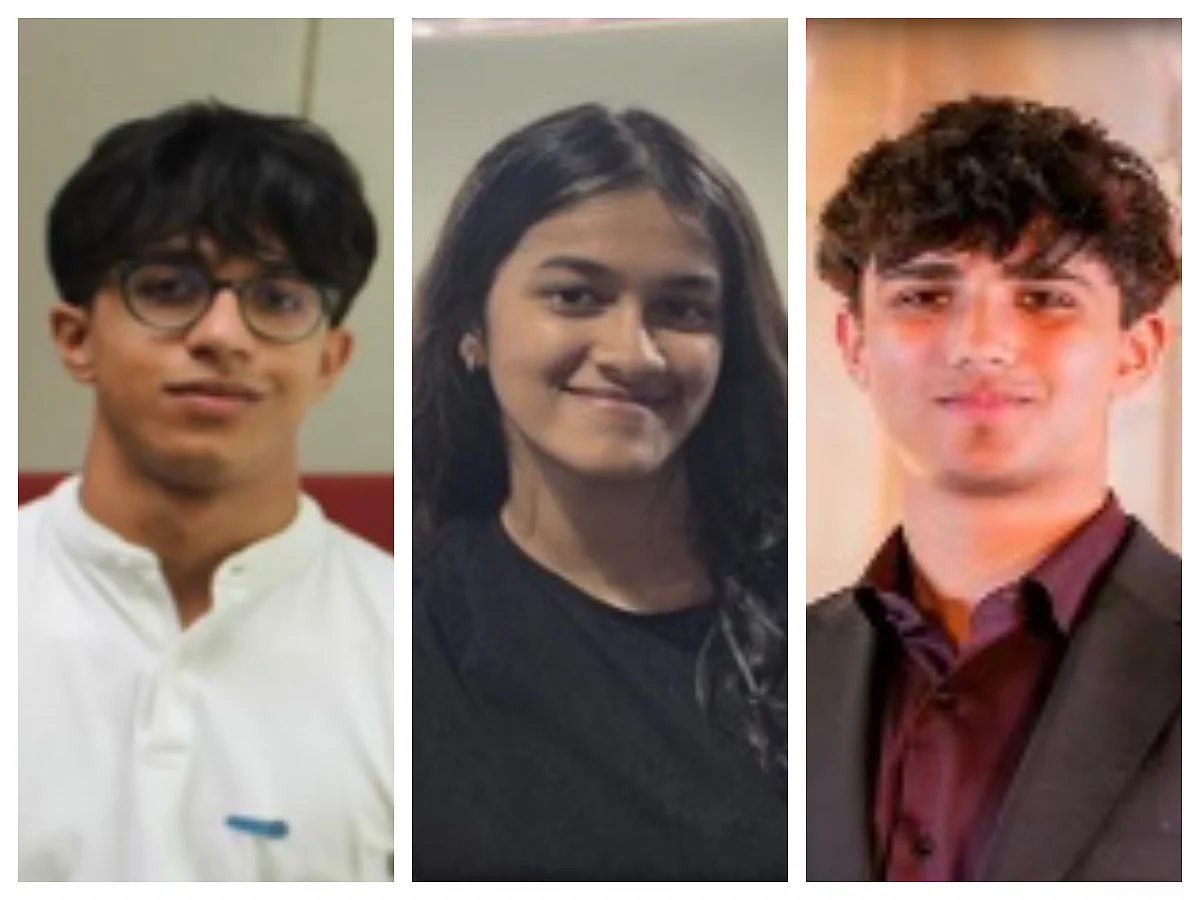
Dubai: Three UAE high school students, Adit Mital, Anushka Harlalka, and Maanit Misra, have transformed discarded chicken feathers into a potential agricultural resource through a fermentation-based process. The trio, known as BioFeathers, have developed a method to break down keratin in feathers using bacteria, creating nutrient-rich formulations for plants.
The students collect feathers from local poultry farms and processing facilities in the UAE. Their project has expanded to trials across 16 farms and nursery sites in the UAE, Oman, and India, involving over 1,200 farmers across various sites and growing seasons. The UAE has provided crucial support, including laboratory facilities and scientific mentorship from the University of Sharjah’s Research Institute of Medical and Health Sciences.
BioFeathers has produced nine different nutrient-rich formulations, with promising results in laboratory tests, showing up to 45% greater feather breakdown than existing benchmarks. The students are preparing their findings for publication in peer-reviewed scientific journals and have filed a patent covering their process and methodology.
The project has received support from organizations like the Emirates Drug Establishment and local businesses, and the students have learned the importance of considering real-world factors, such as farmers' practical knowledge and challenging environmental conditions, in their work.
Written by urgent.news from Gulf News's reporting — not their text. Machine-written — may contain errors; check the original before relying on it.