How stablecoins could reshape Middle East-Asia financial corridor
The Middle East and Asia are becoming increasingly natural financial partners in the crypto sector, with the corridor between them emerging as a testing ground for a new role for stablecoins Still in the early stages of adoption, the digital tokens are moving beyond crypto trading into cross-border payments, corporate treasury and settlement. The UAE and Singapore are particularly well placed to…
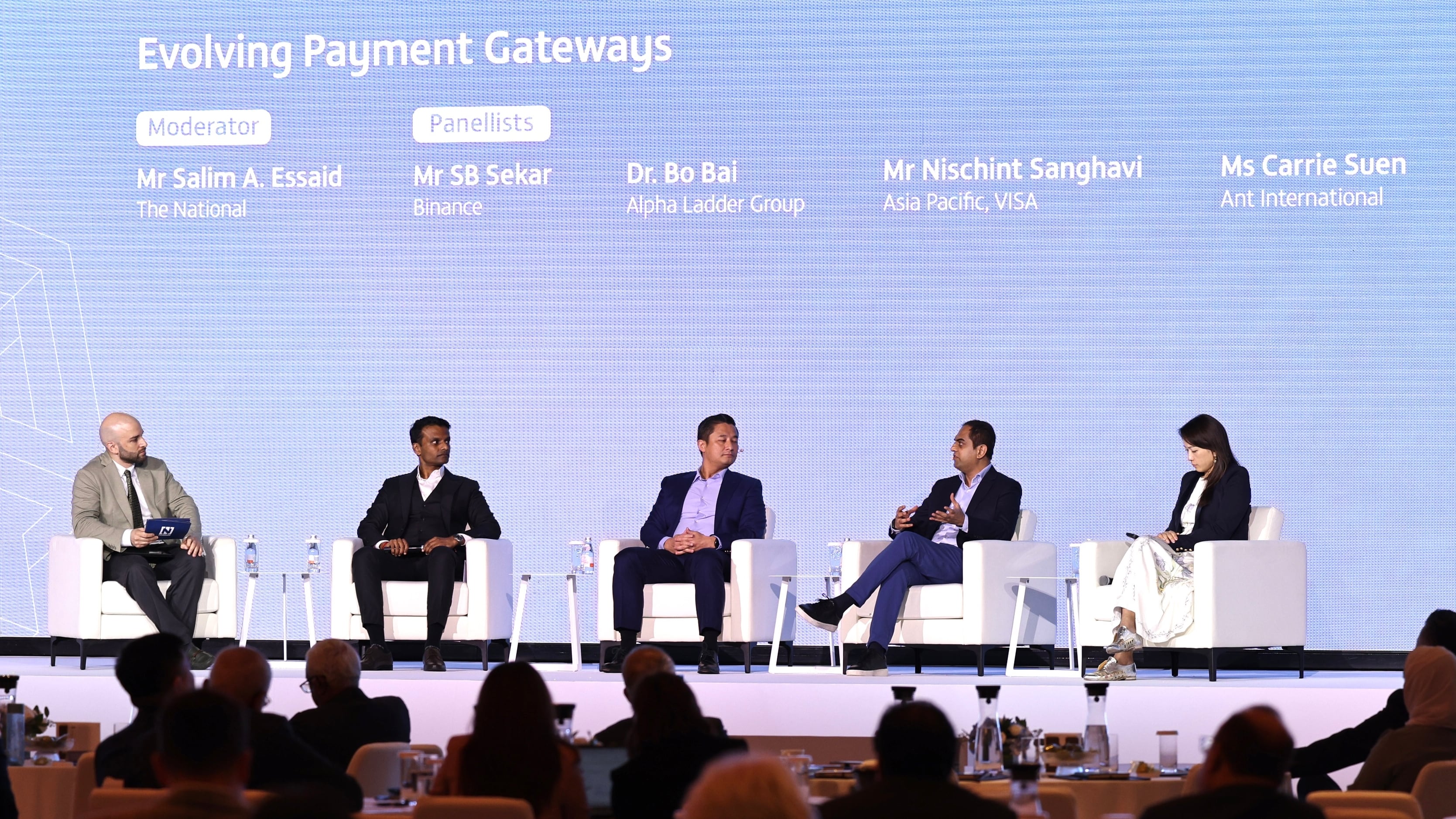
The Middle East and Asia are emerging as natural financial partners in the cryptocurrency sector, with a new role for stablecoins in cross-border payments, corporate treasuries, and settlements. The UAE and Singapore, with their early development of digital asset regulation and infrastructure, are particularly well-positioned to test this shift. Stablecoins could help connect different financial systems, enabling businesses to access funds more quickly and reducing capital tied up during settlement.
Payment networks are integrating stablecoins into conventional financial infrastructure, with Visa's Asia Pacific head, Nischint Sanghavi, seeing them developing alongside banks rather than replacing them. Both the UAE and Singapore have built comprehensive cryptoasset frameworks, with Singapore finalizing its stablecoin framework in 2023 and the UAE Central Bank introducing a stablecoin regulatory framework shortly thereafter.
While regulation exposes the challenge of national laws governing a global technology, infrastructure already exists to support a broader corridor. Singapore's XSGD stablecoin can be used for cross-border payments and on-chain settlement, while DBS has used tokenized deposits for Ant International's round-the-clock multicurrency treasury and liquidity management. The UAE's Dirham-backed stablecoin DDSC has begun processing institutional transactions and expanding towards everyday digital payments.
However, the seamless Middle East-Asia digital corridor is not yet realized. The usefulness of stablecoins internally may be limited where domestic payment systems are already efficient, such as in Singapore. Moreover, stablecoins offer round-the-clock settlement but still require compliance checks, foreign exchange, conversion, and local payouts, making time to usable funds a more meaningful measure than transaction speed alone.
The real prize may be working capital. By reducing idle or pre-funded capital across markets, stablecoins could significantly benefit chief financial officers. Stablecoins are also finding a role in corporate treasury, allowing funds to move without depending on correspondent banks. Ultimately, the emerging model challenges the early assumption that crypto would bypass traditional finance, with Visa and Binance integrating stablecoins through settlement services and stablecoin-linked cards.
Written by urgent.news from The National Business's reporting — not their text. Machine-written — may contain errors; check the original before relying on it.
This story
This is one outlet's version. Read the fullest account.
- How stablecoins could reshape Middle East-Asia financial corridor thenationalnews.com