How stablecoins could reshape Middle East-Asia financial corridor
The Middle East and Asia are becoming increasingly natural financial partners in the crypto sector, with the corridor between them emerging as a testing ground for a new role for stablecoins Still in the early stages of adoption, the digital tokens are moving beyond crypto trading into cross-border payments, corporate treasury and settlement. The UAE and Singapore are particularly well placed to…
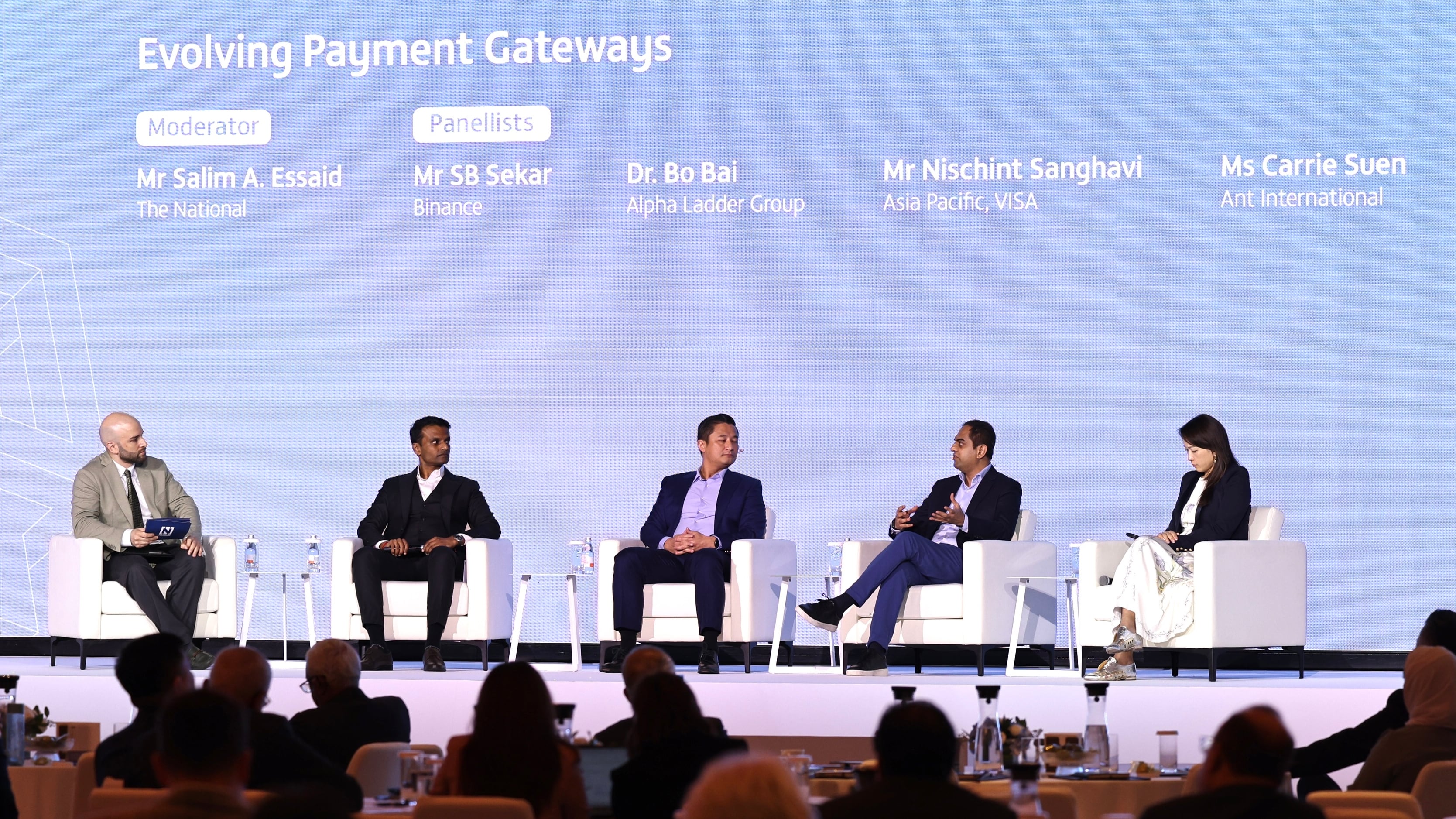
The Middle East and Asia are emerging as key partners in the crypto sector, with the corridor between them becoming a testing ground for the role of stablecoins in financial transactions. Singapore and the UAE are particularly well-positioned to lead this shift due to their early development of digital asset regulations and infrastructure.
Stablecoins can help businesses navigate the complexities of cross-border payments by providing a unified digital currency that can be used across different banking systems and compliance requirements. They can also enable faster settlement times, allowing companies to access funds more quickly and potentially reduce capital tied up during transactions.
Payment networks are already integrating stablecoins into existing financial systems, with Visa and Binance working to incorporate stablecoins into their services. However, the regulatory landscape remains a challenge, as countries apply their own anti-money laundering and compliance requirements to the global, borderless nature of stablecoins.
The UAE and Singapore have taken the lead in establishing clear regulatory frameworks for stablecoins, while the US has recently introduced federal rules through the GENIUS Act. This creates a mixed environment where the technology is global, but the rules governing it remain national. Looking beyond the UAE-Singapore corridor, there is potential for a broader Middle East-Asia digital payment corridor.
Singapore's already efficient payment system highlights the need for stablecoins to be valuable when moving value between different financial systems. The real benefit of stablecoins may lie in working capital, as faster settlement times can reduce the need for idle funds tied up in foreign currencies. Stablecoins are also being integrated into corporate treasuries, allowing businesses to move money across borders more efficiently by bypassing traditional banking systems.
As the technology matures, stablecoins could play a significant role in the financial infrastructure of the Middle East and Asia, challenging the early assumption that crypto would bypass traditional finance.
Written by urgent.news from The National UAE's reporting — not their text. Machine-written — may contain errors; check the original before relying on it.
Also reported by 1 other outlet
- How stablecoins could reshape Middle East-Asia financial corridor thenationalnews.com