‘How much will a five-year career gap hurt me?’: Singapore PhD holder shares worries after taking 'reluctant' break amid cancer treatment
He wrote that he had been “extraordinarily successful and capable” in his younger days, with a “diverse skill set across all STEM disciplines”. However, a near-fatal cancer diagnosis came just before he was ready to found his own company, bringing him to his knees.
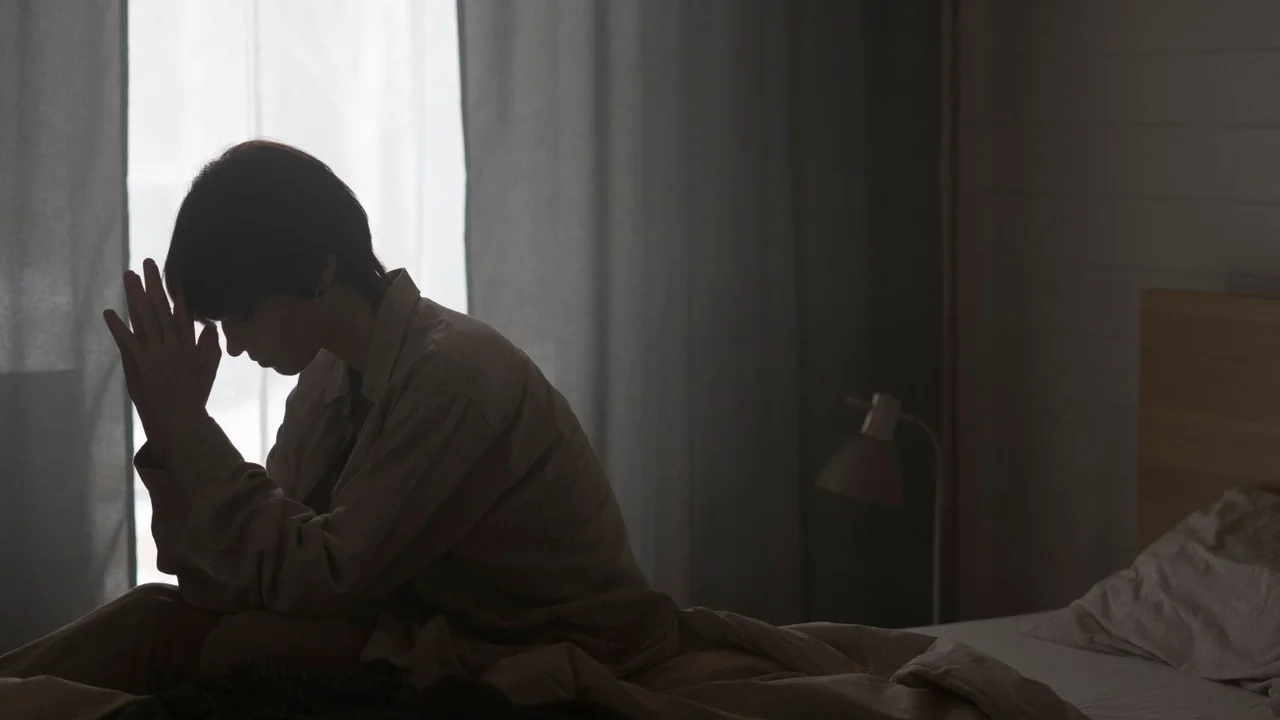
A Singaporean PhD holder, boasting a string of peer-reviewed publications and experience as an "early contributor to modern AI," expressed concern over the potential impact of a five-year career gap on his professional trajectory following a "reluctant" hiatus during his battle with cancer. The individual, who had been "extraordinarily successful and capable" in his younger years with a "diverse skill set across all STEM disciplines," recounted his near-fatal cancer diagnosis just before he was about to launch his own company.
He opted to join an experimental treatment programme at the National Cancer Centre Singapore (NCCS), which was proving highly effective, estimating he would likely achieve full remission within five years.
However, the impetus for this inquiry stemmed from his decision to take a career break, driven by the urgency of his medical situation rather than a desire to gamble on his survival. He posed the question on an online forum: "How damaged is my career from a five-year break to deal with a major disease in my early thirties?" The online community responded with a mix of reassurance and caution, emphasizing that a five-year gap should not erase one's accumulated experience.
They highlighted that much of modern AI work is cloud-based, suggesting that his existing knowledge and experience would remain valuable in the field. They advised him to concentrate on his treatment and recovery first, before addressing his career trajectory.
The discussion also raised broader questions about the cultural and social stigmas associated with cancer patients contemplating a return to the workforce. NCCS reassured that it is common to feel nervous about returning after significant time off due to cancer treatment, acknowledging that the transition back to full-time work could take time and adjustments, both mentally and physically.
Tan Kwang Cheak, the CEO of the Singapore Cancer Society, commented in a Channel News Asia commentary that the "second battle" for cancer patients often begins with returning to work, a topic frequently overlooked in the discourse surrounding cancer.
Written by urgent.news from The Independent Singapore's reporting — not their text. Machine-written — may contain errors; check the original before relying on it.