How Hong Kong is remapping the future of higher education
Hong Kong’s first five-year plan marks an unprecedented milestone not only for its economic and social development, but also for how it governs itself. The plan, which drew on 16,000 public submissions – roughly 80 per cent from ordinary citizens – is a testament to the government’s commitment to long-term development, which shows an unusual convergence of public consensus and political will. For…
Hong Kong's first five-year plan represents a significant shift in how the city governs itself and plans for its future. Drawing on over 16,000 public submissions, the plan is a testament to the government's commitment to long-term development. This unusual convergence of public consensus and political will marks a departure from the city's traditional market-led approach.
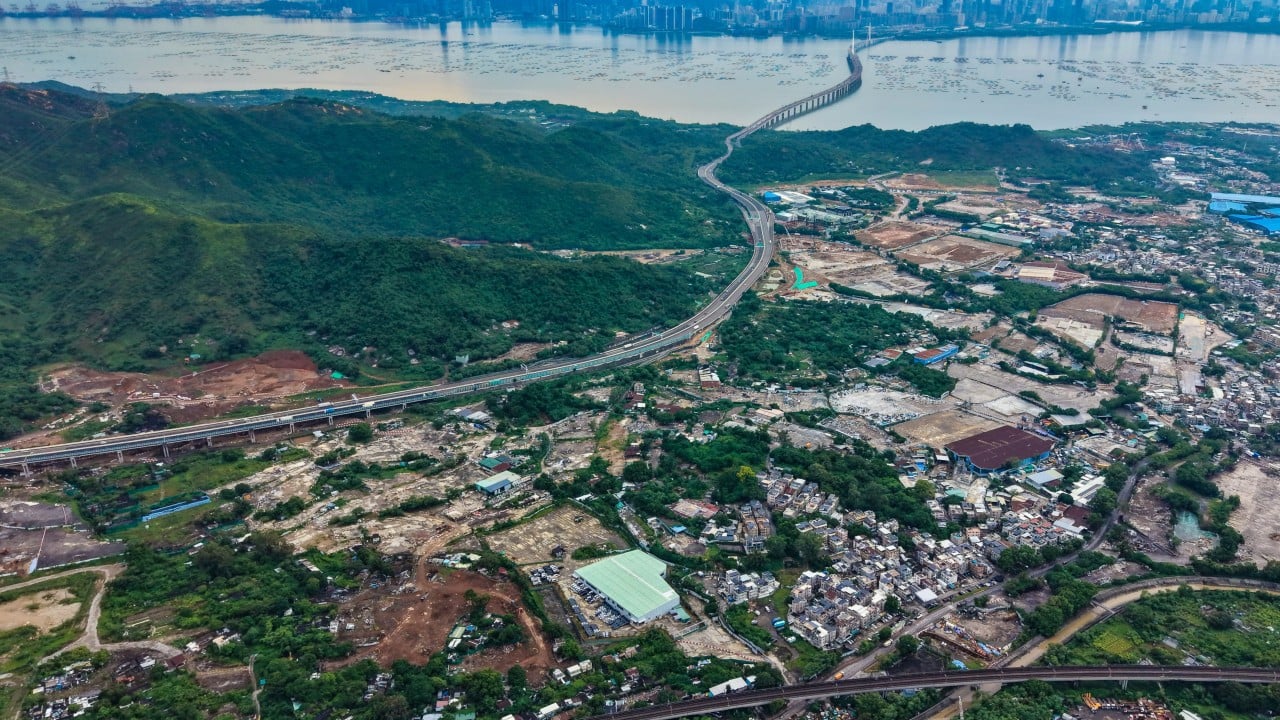
One of the key areas of focus in the plan is higher education. Recognizing its pivotal role in the city's long-term prosperity, the plan places great importance on the integrated development of education, technology, and talent. The Northern Metropolis, a 30,000-hectare redevelopment project, serves as the core engine of this strategy.
Designed to develop another economic center closer to Shenzhen, the Northern Metropolis will house 2.5 million residents and create 650,000 jobs. Within this area, a university town spanning roughly 1,000 hectares is expected to play a crucial role in advancing industry-academia-research integration.
To facilitate this integration, the plan introduces an innovative "one town, five elements" framework. This framework divides the university town into four distinct areas: a campus area, a technology area, an industry area, and a living community. By embedding campuses within industrial clusters, the plan removes regulatory rigidities that have long hindered innovation.
It also alters the funding allocation, promotion criteria, curriculum design, and talent cultivation of universities, encouraging them to invest in basic research and applied sciences rather than solely focusing on producing the best-paid professionals in finance and law.
The university town's strategic location within the Northern Metropolis will attract researchers, students, entrepreneurs, and investors, fostering a dynamic ecosystem that drives economic rejuvenation. By aligning academic strengths with the industries being built around them, universities will be incentivized to produce the engineers, designers, and technological specialists required to move ideas from the laboratory to production lines.
While the plan presents demanding tasks for Hong Kong's universities, such as changing long-established habits and facing resistance from those benefiting from the status quo, it also offers a unique opportunity for the city's higher education institutions to reinvent themselves. If they embrace this opportunity and align their mission with the needs of the Northern Metropolis, Hong Kong's universities will not only serve the new economic center but will also define the city's future.
Written by urgent.news from South China Morning Post - Hong Kong's reporting — not their text. Machine-written — may contain errors; check the original before relying on it.