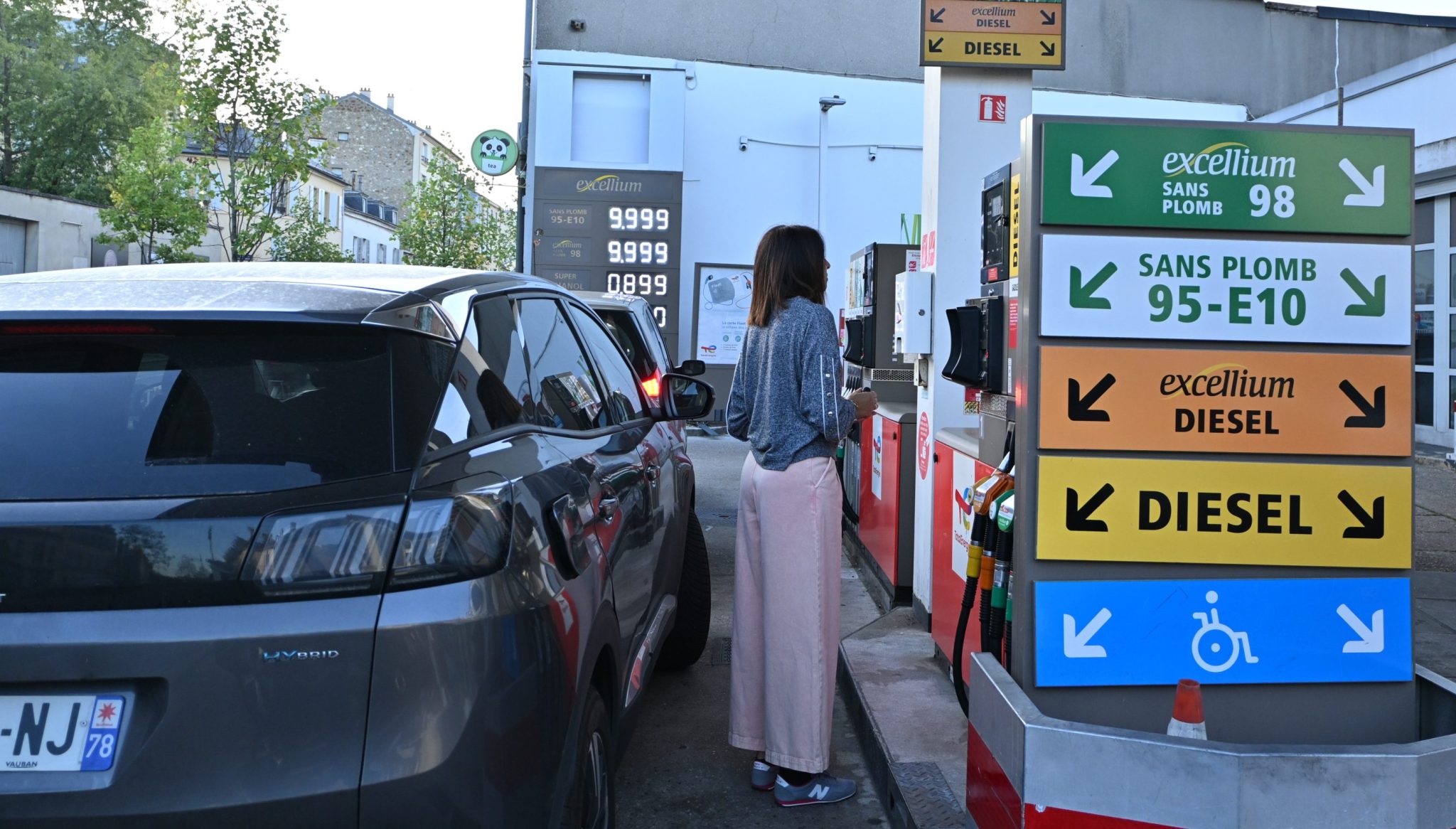
High fuel costs may drive shift from comprehensive to third-party motor insurance
Nigeria’s rising energy costs are steadily reshaping the economics of running a business, with higher petrol and diesel prices feeding into transportation, power generation and other operating expenses. The post High fuel costs may drive shift from comprehensive to third-party motor insurance appeared first on Nairametrics .
Nigeria's escalating energy costs are impacting various industries, particularly businesses reliant on fuel for transportation and power generation. For such companies, increased energy prices can lead to broader cost concerns, prompting them to reassess resource allocation and explore alternative solutions for more predictable expenses. This pressure extends to consumers as well, who may need to make decisions on which expenses they can manage, cut back, or postpone.
In the insurance sector, the evolving cost landscape could influence customer behavior, especially regarding motor insurance. The cost of owning and operating a vehicle is closely linked to the choice of insurance coverage. Katherine Itua, Executive Director of Finance & Investments at Consolidated Hallmark Insurance Limited, explained how rising energy costs might affect motor insurance customers.
She noted that as fuel and operating costs increase, more customers may opt for third-party insurance over comprehensive policies due to the affordability factor. This shift in customer preferences could significantly impact the claims profile and future pricing strategies of insurance providers.
Itua mentioned that the insurance company had projected petrol prices at around N1,500 per litre for the year, and despite the current high prices of N1,400 per litre, these levels fall within the anticipated range. This foresight has helped cushion the company from any significant operational disruptions or financial impacts due to rising energy costs.
When planning the 2026 budget, Consolidated Hallmark Insurance took a realistic approach, incorporating current inflation rates into their projections rather than assuming stable costs. At that time, petrol prices were around N1,100 to N1,200 per litre, whereas they are now close to N1,400. Although the increase is substantial, it was already accounted for in the budget, allowing the company to absorb higher energy costs without major disruptions to its overall expenses.
The company has also been actively working on reducing its dependence on diesel and generators by investing in cleaner, more sustainable power sources. They have completed the first phase of a solar inverter upgrade and plan to finish the second phase before the year ends. The goal is to lower reliance on costly conventional energy after the initial investment, thereby stabilizing power costs for the business.
Itua emphasized that insurance is a necessity purchased when circumstances demand, limiting the ability to pass rising costs directly to customers through higher premiums. Instead, the company is focusing on efficiency improvements, such as process automation to reduce capital and personnel costs, and increasing the use of solar power to decrease reliance on expensive conventional energy.
While the benefits may not be immediately apparent, these measures are expected to help mitigate the impact of rising energy prices over time.
Written by urgent.news from Nairametrics's reporting — not their text. Machine-written — may contain errors; check the original before relying on it.