Gas topped the equivalent of $12 a gallon in parts of Europe—and consumers are spending an extra $231 million a day on diesel
Governments are cutting fuel taxes, handing out subsidies and relaxing energy rules as wars squeeze Europe’s heavily import-dependent economy.
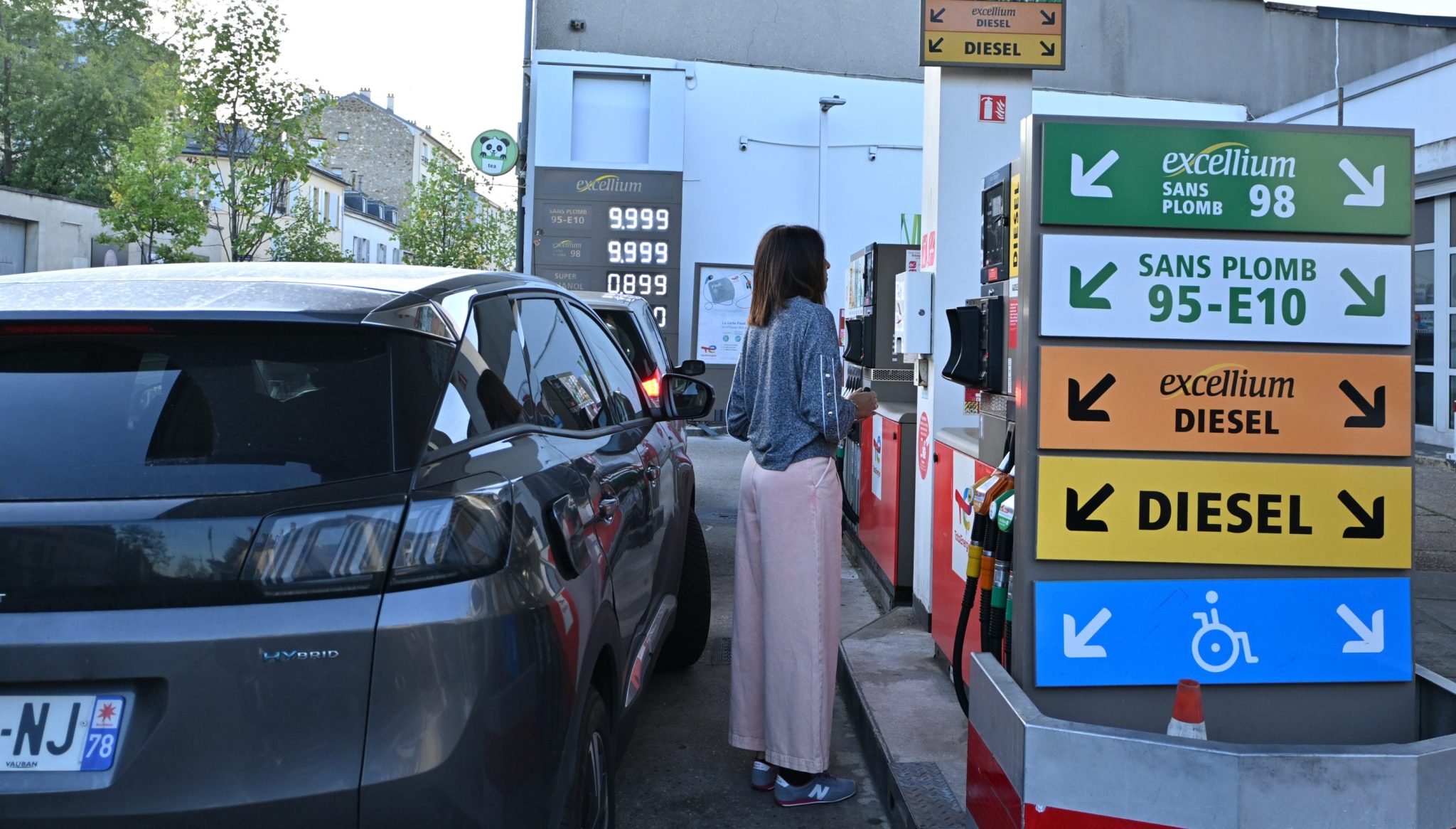
Recent conflicts in the Middle East and Ukraine have prompted European governments to implement various measures to shield their economies and citizens from soaring gasoline and diesel prices. The Organization for Economic Cooperation and Development (OECD) reported that seven out of the ten nations actively working to mitigate economic damage are EU members. In response to the mounting crisis, several countries have introduced subsidies, tax adjustments, and policy revisions.
Lithuania has halved train ticket prices, Greece has increased gambling taxes to fund public relief efforts, and Italy has delayed the demolition of coal-fired power plants, reducing paperwork requirements for oil and natural gas projects. The Netherlands has increased funding for a program offering free energy-saving services in homes, while Poland has proposed heavily taxing the profits of certain fuel producers and sellers.
The European Union (EU) imports nearly all of its oil and 85% of its natural gas, with imports supplying 57% of the bloc’s energy needs. The EU's statistical office noted that Europeans are growing increasingly frustrated as pump prices surpass the equivalent of $12 a gallon in some countries. EU citizens are spending an additional 203 million euros ($231 million) daily on diesel fuel, according to Transport & Environment, an advocacy organization.
EU leaders in Brussels granted member nations temporary discretion to provide state aid to households and energy-intensive industries, such as agriculture, transportation, and fishing. They also offered limited leeway from EU spending rules for investments that enhance energy security and lessen the bloc’s reliance on imported oil and natural gas.
European Commission President Ursula von der Leyen highlighted the pressing pressures from higher energy prices and borrowing costs, emphasizing the need to invest in affordable, domestically produced clean energy sources.
In France, President Emmanuel Macron has unveiled a 450 million-euro ($512 million) package to alleviate consumer and fuel-intensive business burdens. The expanded package includes means-tested aid for workers with longer commute distances, extended fuel subsidies for farmers, fishermen, and construction companies, and the early provision of energy vouchers to 5.8 million families to help with winter energy bills.
Macron also urged the EU to relax fuel quality regulations to boost diesel and kerosene production and has offered French troops and defensive systems to Saudi Arabia to protect vital energy infrastructure from potential attacks by Iran-backed Houthi rebels.
Written by urgent.news from Fortune's reporting — not their text. Machine-written — may contain errors; check the original before relying on it.