Green shipping hits rough seas
KLANG: The shipping industry’s push towards greener fuels has hit rough waters, with scarce alternative-fuel supply, inadequate bunkering infrastructure and limited access to green financing slowing the transition.
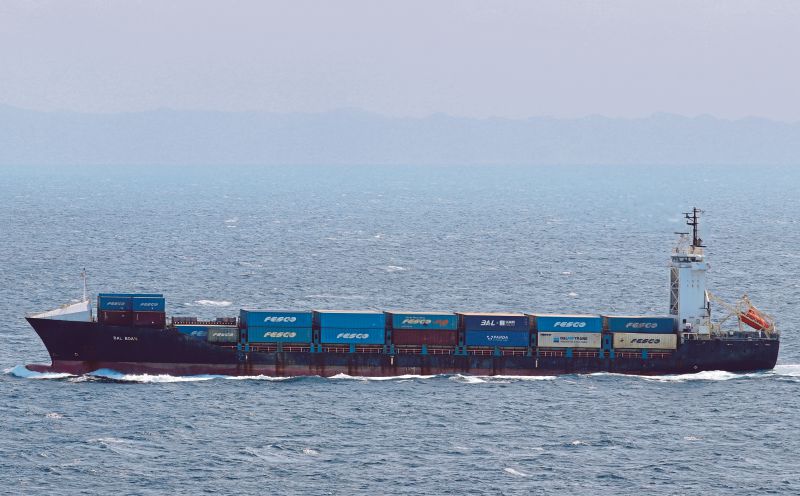
The shipping industry's transition to greener fuels has encountered significant obstacles, with scarcity of alternative fuel, inadequate infrastructure for refueling, and limited access to green financing hampering progress. The primary bottleneck is the limited global supply of green methanol, which has become a key challenge in the maritime sector's shift towards cleaner fuels.
Malaysia Shipowners Association chairman Mohamed Safwan Othman noted that while more than 60% of ships in the orderbook were powered by methanol in 2024, there has been a recent shift back to liquefied natural gas (LNG), which is not a fully zero-carbon fuel.
The difficulty in obtaining methanol supply globally has become a major obstacle for industry players. Safwan highlighted that major ports, including those in neighboring countries, are currently struggling to secure sufficient methanol. Although shipowners are eager to comply with international regulations such as the International Maritime Organisation's (IMO) Net Zero Framework, the economic costs of the transition remain a significant concern.
The IMO framework aims to reduce greenhouse gas emissions from international shipping to net zero by 2050, but the framework's focus on economic costs has been a barrier for industry players.
Safwan emphasized that even with the necessary technology to go green, the bunkering facilities and supply of green fuel present significant challenges. The IMO's framework has been criticized for unfairly penalizing ship owners who lack access to green fuel, imposing fines on those who do not comply. However, Safwan stressed that green transition does not always require high capital expenditure.
The association often advocates for operational efficiency among its members to mitigate rising costs associated with green adoption. Many members have already installed vessel fuel monitoring systems, achieving fuel consumption reductions of over 70%, according to in-house data.
The shipping industry's transition to greener fuels has faced significant challenges, with limited fuel supply, inadequate infrastructure, and access to green financing posing major obstacles. The primary bottleneck is the limited global supply of green methanol, which has become a critical challenge in the maritime sector's shift towards cleaner fuels.
Malaysia Shipowners Association chairman Mohamed Safwan Othman noted that while more than 60% of ships in the orderbook were powered by methanol in 2024, there has been a recent shift back to liquefied natural gas (LNG), which is not a fully zero-carbon fuel.
Written by urgent.news from New Straits Times's reporting — not their text. Machine-written — may contain errors; check the original before relying on it.