China’s EV and battery makers tussle over paying resumed lithium-ion tax: sources
China’s electric vehicle (EV) makers and battery manufacturers are locked in negotiations over which party should pay a resumed consumption tax, according to industry sources, a conflict that underlines carmakers’ struggles amid weak home market demand. Beijing is ending an 11-year exemption on a 4 per cent consumption tax on lithium-ion batteries and related products. It returned to 2 per cent…
China's electric vehicle (EV) and battery manufacturers are engaged in negotiations over who should bear the burden of a resumed consumption tax, according to industry sources. The conflict highlights the challenges faced by carmakers due to weak demand in the Chinese market. Beijing has ended an 11-year exemption on a 4% consumption tax on lithium-ion batteries and related products, which took effect on September 1 and will be fully restored after a year.
Battery makers had planned to pass the costs onto their downstream clients, such as EVE Energy, which announced that they would add the 2% tax to domestic orders shipped after September 1. However, EV makers, struggling with reduced subsidies and lower domestic demand, have decided to push back. Despite the tax being in place for weeks, discussions between battery and EV manufacturers continue to reach a resolution.
The negotiation is seen as a power struggle between the two groups, with the outcome depending on the bargaining strength of each company and their relationships within the market. JP Morgan estimates that if EV makers have to absorb the 4% tax, it could lead to a price reduction of up to 0.8% for popular models. While the industry has faced a decline in profit margins, battery makers have managed to earn nearly double the profit margins of major car manufacturers.
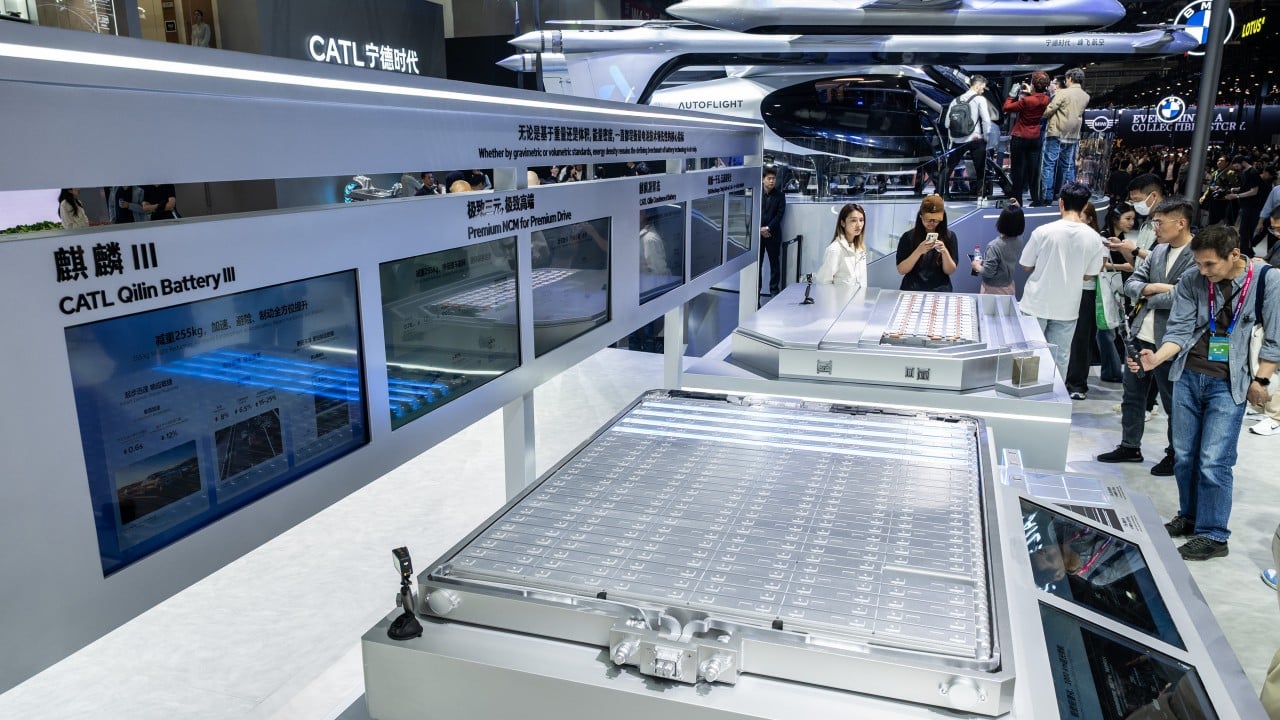
Some carmakers, like Xiaomi and Li Auto, are exploring alternative battery sources to diversify their offerings, while CATL continues to lead the market with a share of over 40%.
Written by urgent.news from SCMP Business's reporting — not their text. Machine-written — may contain errors; check the original before relying on it.