'Feels more of a hotel, less like a home': Why residents at this Hillview condo are unhappy with co-living setups
As co-living takes root in more condominiums, some residents in at least one condo are up in arms. Their complaints include having to jostle for facilities, strangers entering the compound and increased wear-and-tear in common areas.
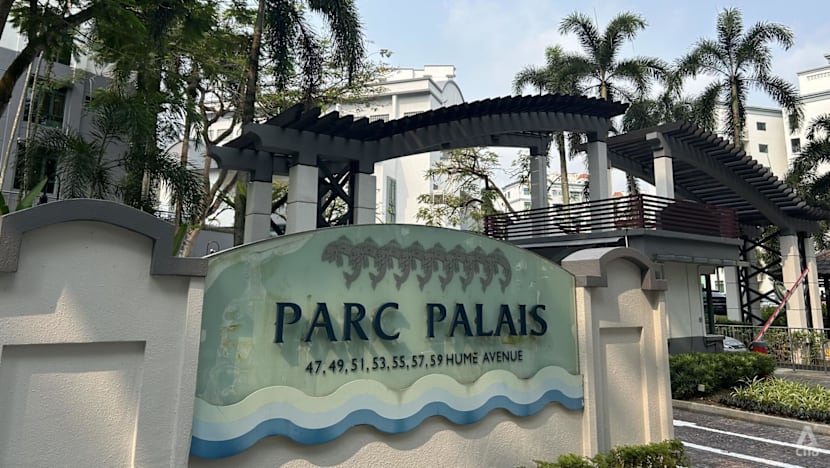
In recent years, the co-living model has gained popularity among private homeowners in Singapore as a means to boost rental income. However, this trend has sparked discontent among some residents, particularly at Hillview condominium.
One resident, Madam P Lina, who has lived in the 517-unit estate for 15 years, has observed a shift in the dynamics of her neighborhood. In the past two years, unfamiliar groups of 10 to 15 people have increasingly used facilities like the gym, swimming pool, and shower area. This change is attributed to the emergence of co-living units, with at least five now present in the estate.
Co-living arrangements allow up to six unrelated individuals to reside in a private property, each staying for at least three months. Mdm Lina attributes the changes to these co-living units, arguing that they increase the number of occupants compared to if the units had been rented to families or couples. This heightened occupancy leads to greater demand on shared amenities and potentially higher maintenance costs.
The condominium's Management Corporation Strata Title (MCST) responded to residents' concerns by holding a meeting on July 31 with 30 property owners. Issues discussed included fire safety, the impact of co-living on shared facilities, and the frequent turnover of tenants. Mdm Lina questioned whether it is fair for units with fewer occupants to bear the same maintenance responsibilities as those with more residents.
While the level of tension appears to be localized at Hillview, the MCST Association of Singapore has noted a gradual increase in co-living-related issues across condominiums since early 2025. Property management firms manage about 10 to 15 percent of residential developments with co-living arrangements, with complaints primarily concerning security, access control, and unfamiliarity with newcomers.
Written by urgent.news from Channel News Asia's reporting — not their text. Machine-written — may contain errors; check the original before relying on it.