Family business fights rising costs to keep nasi lemak at S$2, even with rent of S$10,000
His parents see their stall’s best-known dish as a way of giving back, leaving second-generation owner Adam Danish to make the numbers work. CNA’s Money Mind finds out what the family must do.
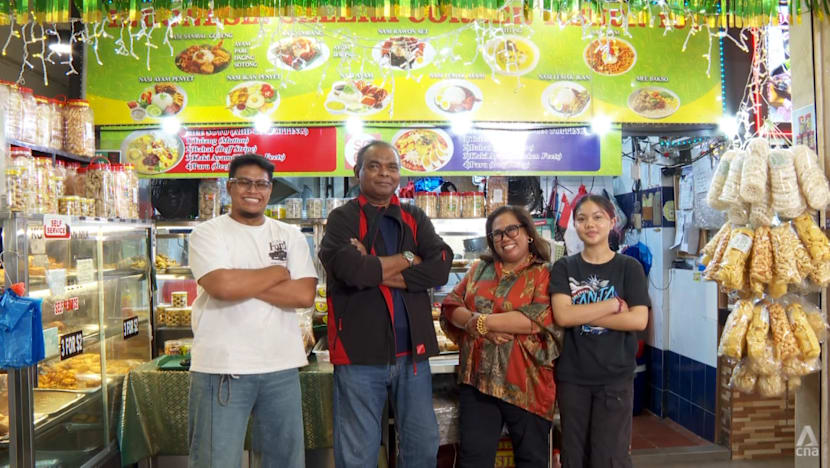
In Singapore, a family-run Indonesian food stall called Indonesian Selera Corner has been selling its signature dish, nasi lemak, for S$2 for over a decade. However, with rent costing nearly S$10,000 per month, the family must find ways to maintain profitability while keeping the price of the popular snack affordable. Adam Danish, the 25-year-old second-generation owner, joined the family business this year and discovered that the firm's finances were not properly recorded, making it difficult to assess if sales were covering costs.
The stall operates in a privately-owned coffee shop, where rent is based on commercial rates and can be higher than government-run hawker centres. The family pays S$13,000 per month for utilities, manpower, and ingredient costs. Despite this, Adam and his family have managed to keep the nasi lemak price at S$2, as it was initiated by an elderly customer who requested a smaller portion. The stall now sells around 200 packets of nasi lemak daily.
To address rising costs, Adam has been working on breaking down the financial aspects of the business. He found that the nasi lemak costs S$1.30 in ingredients, while the overall menu generates most of the revenue. The stall needs to sell 159 plates of food daily at an average of S$7.40 per order to break even. Adam has already received his first salary of S$1,500, with a target of S$4,000 per month, which he has not yet reached.
The family also aims to lower operational expenses by transitioning from cooking gas to electric cookers, which could cut costs by half. They plan to source fish from Jurong Fishery Port to get the best prices and reduce petrol costs by filling up at a cheaper petrol station. The family has expanded their menu to include Javanese-style rice sets and mini buffets, as well as introducing online sales via TikTok Live.
These additional revenue streams have been successful, with gross revenue from livestreams reaching S$12,000 in the first two months. However, the family faces challenges in managing the online orders and is using an AI chatbot to process kitchen orders, which saves them S$900 per month compared to hiring a dedicated employee.
Written by urgent.news from CNA - Singapore's reporting — not their text. Machine-written — may contain errors; check the original before relying on it.