Designing an Event-Driven Next-Best-Action Architecture for Customer Retention
How event-driven architecture can turn churn signals into timely, auditable next-best-action recommendations instead of delayed batch campaigns.
Retention requires an event-driven architecture rather than a campaign approach. Customer churn can be predicted days or hours before renewal processes detect it, particularly in industries like health insurance where various events like benefit adjustments or premium increases can signal potential churn. Traditional, batch-based methods are ineffective at capturing timely retention signals.
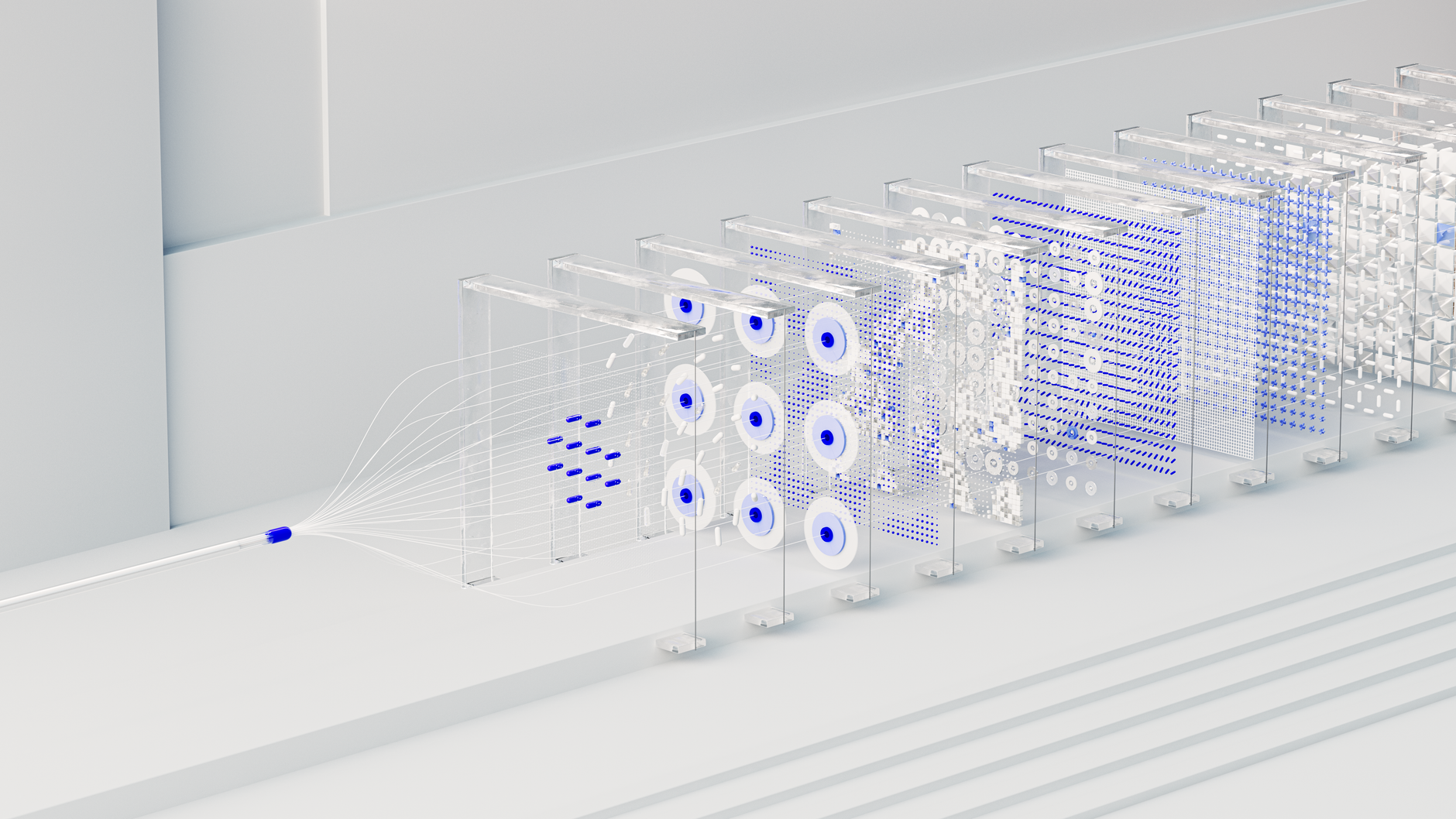
The proposed solution separates data ingestion, feature computation, model scoring, decisioning, and activation into distinct layers. Streaming paths process time-sensitive events, while batch processing handles historical data and model training. Both feed into a unified decision layer.
Key challenges include siloed data from different systems, latency in risk scoring, loss of context without understanding reasons for churn, rigid rules within individual campaigns, and weak feedback loops. To address these, the architecture recommends a layered design leveraging Snowflake, Databricks, PySpark, and Python.
Data ingestion normalizes incoming records into a standardized event contract to ensure idempotent processing. Feature engineering processes raw events into retention features such as recent interaction frequency, claims velocity, benefit changes, and cost changes. A predictive churn model estimates the likelihood of churn within a specific window, with scores stored alongside relevant details.
Next-Best-Action decisioning translates model outputs into operational recommendations, considering eligibility, urgency, business constraints, and available actions. Rules combine model output with deterministic business context to determine appropriate interventions. This approach enables real-time, context-aware decisions to effectively retain customers.
Written by urgent.news from HackerNoon's reporting — not their text. Machine-written — may contain errors; check the original before relying on it.