Android flagships could soon pack massive 10,000mAh batteries, thanks to iPhone’s battery tech
Android OEMs could pair Apple's rigid steel-cased battery design with stacked-cell tech for monstrous battery life.
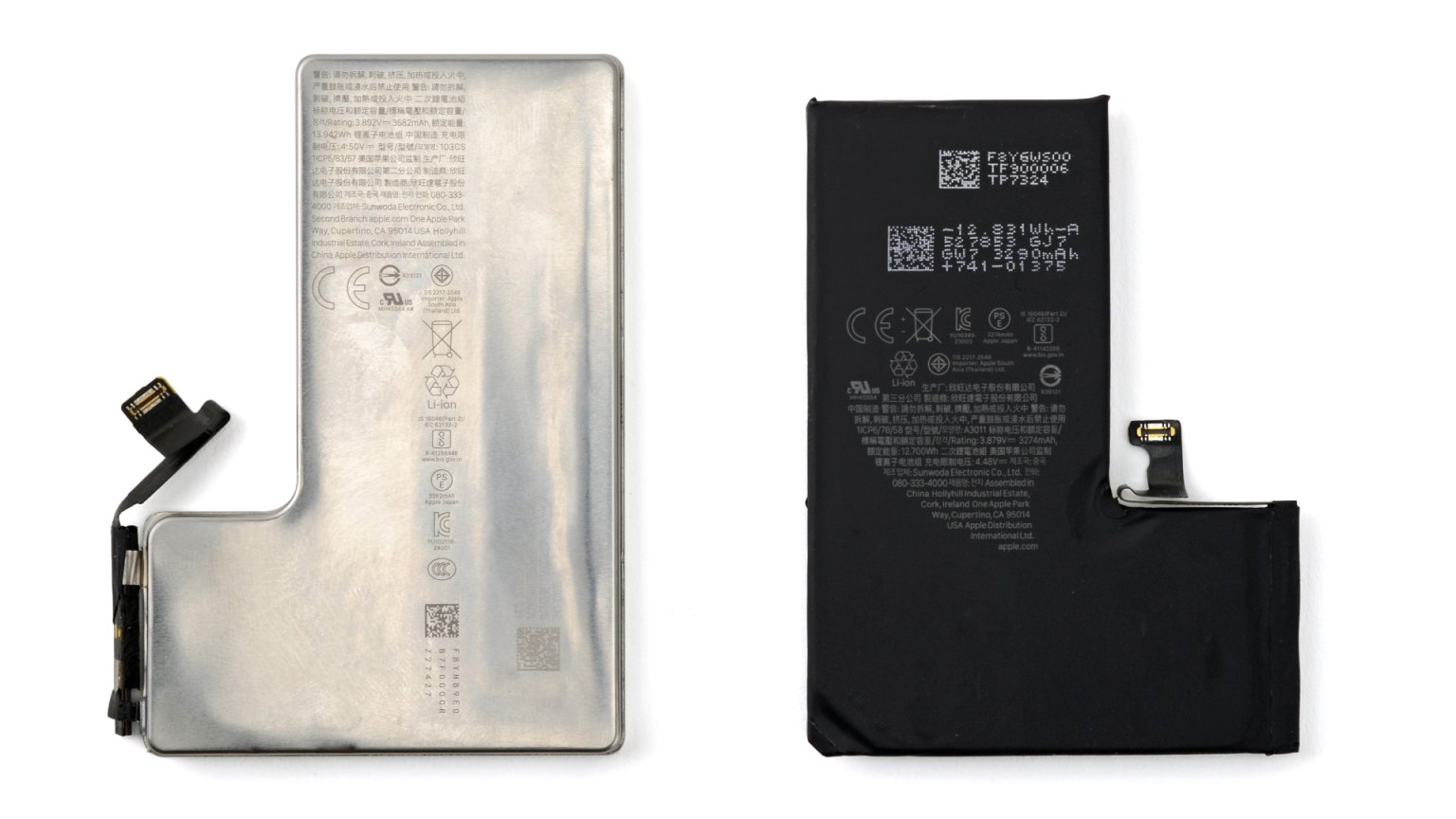
A recent leak suggests that Chinese Android smartphone manufacturers, most likely Xiaomi, are investigating the adoption of Apple's rigid steel-cased battery design for their upcoming high-end devices. The aluminum-cased iPhone 16 Pro battery, in contrast to the iPhone 15 Pro's soft-pouch battery, hints at a trend towards more robust designs.
Android brands are exploring the combination of steel-cased batteries with stacked-cell technology, with the goal of achieving battery capacities between 9,000mAh and 10,000mAh in their future flagship smartphones. This approach aims to enhance battery endurance, both physically and in terms of energy reserve.
The leak, provided by reliable source Digital Chat Station on Weibo, draws parallels between Apple's continued use of steel-encased battery cells in the iPhone 18 Pro Max and Xiaomi's experimentation with a similar architecture. Apple's iPhone 18 Pro Max reportedly offers a rated capacity of 5,391mAh, although the typical capacity is closer to 5,500mAh.
Xiaomi's potential adoption of a similar steel-shell design could be paired with stacked-cell manufacturing, potentially allowing them to deliver 9,000mAh to 10,000mAh batteries in their highest-tier devices.
Written by urgent.news from Android Authority's reporting — not their text. Machine-written — may contain errors; check the original before relying on it.