CEA flags 3 'near term' headwinds for Indian economy: What are they
India is currently grappling with a host of challenges tied to its international relations, fluctuating energy prices, and evolving AI technology. V Anantha Nageswaran, the Chief Economic Adviser, highlighted the critical need to bolster manufacturing and attract foreign investments. He pointed out the ongoing goods trade deficit, urging for more robust policies to enhance capital inflows.
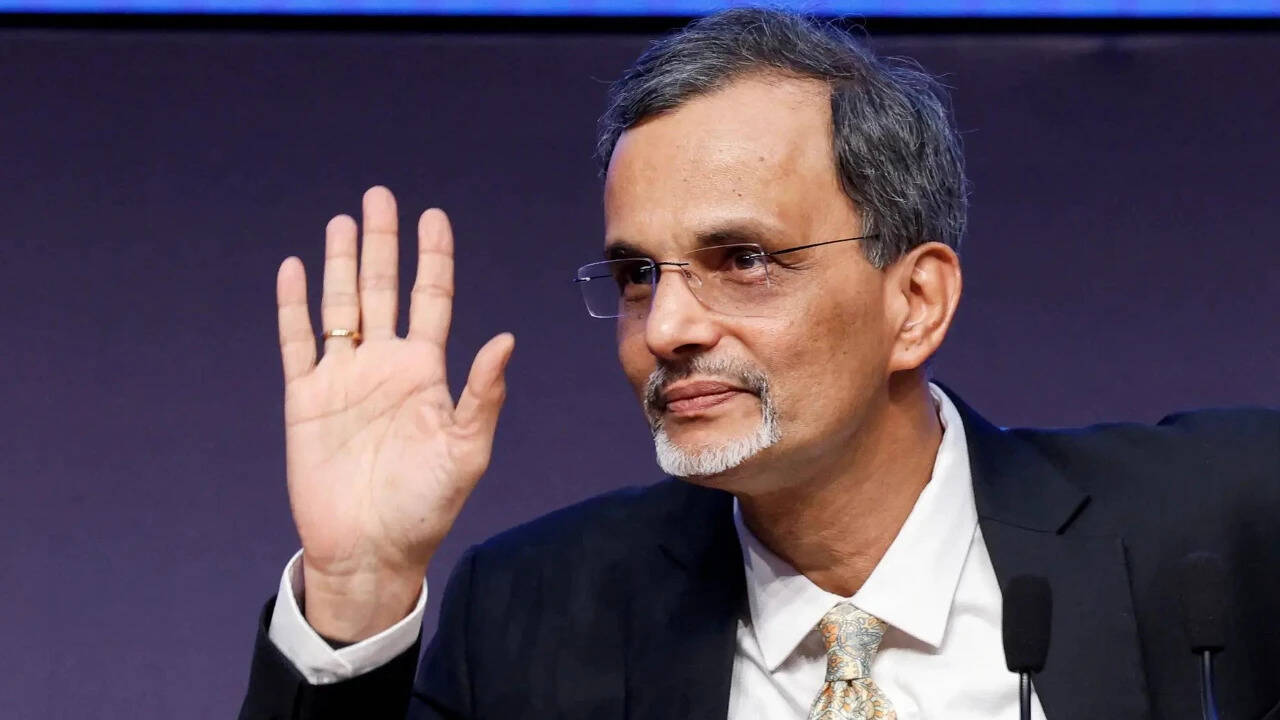
CEA V Anantha Nageswaran has highlighted three potential near-term challenges for India's economic growth: tensions in US relations, fluctuating energy prices, and the country's lack of AI development, as reported by Reuters. Earlier at the State Bank of India's Banking and Economics Conclave, Nageswaran described India-US relations as being in an "uneasy equilibrium" due to ongoing trade disputes between the two countries.
Despite India's economic growth remaining resilient, Nageswaran emphasized the need for India to reimagine and reinvent various aspects of its operations, particularly in the face of geopolitical tensions, supply chain weaponization, climate variability, and China's growing manufacturing capabilities. He stressed the importance of strengthening domestic manufacturing, attracting foreign investment, and creating jobs suited to an AI-driven economy.
Nageswaran pointed out that India's manufacturing sector plays a vital role in building economic resilience and security, and suggested that the country cannot choose between manufacturing and services. He highlighted the need for both manufacturing and services to coexist and drive the economy forward.
One of the factors indicating the necessity to bolster domestic manufacturing is India's persistent goods trade deficit, which stands at around 3.5-4% of GDP, even after excluding oil and gold. Nageswaran stressed that indigenization should not merely involve replacing imports with domestic production but should also focus on enhancing export competitiveness.
Foreign investment was another area where Nageswaran identified a need for improvement. He emphasized the importance of robust policies at both the state and national levels, including tax certainty and simplicity, investor protection, and the availability of a skilled workforce, to attract foreign investment. Additionally, Nageswaran highlighted the need to prepare for vulnerabilities in global supply chains by building buffers in critical commodities and developing capabilities in smaller, strategically important components that could become supply chain choke points.
Regarding the impact of AI on employment, Nageswaran suggested that India should focus not only on frontier AI development but also on understanding how the technology may affect jobs. He proposed creating both AI-enabled and AI-insulated jobs, with labor-intensive manufacturing and services like hospitality, tourism, and elder care as potential employment opportunities.
Written by urgent.news from Times of India's reporting — not their text. Machine-written — may contain errors; check the original before relying on it.