Candidates are increasingly dropping debates. Here's what it means for voters
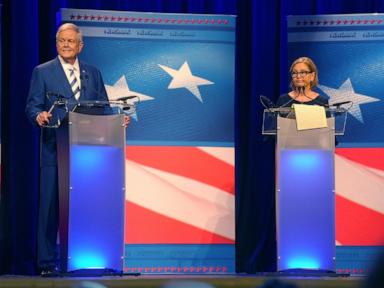
In the lead-up to the midterms, fewer than half of Senate races will have candidate debates, according to an ABC News analysis. This trend has been on the rise, with only two gubernatorial races out of 36 seeing no debates in 2018, compared to eight out of 36 in 2022. The lack of debates extends to Senate races as well, with 21 of the 35 seats up for election in 2026 having no scheduled debates, including key toss-up races in Ohio and Texas.
Some candidates have opted out of debates citing concerns about gaffes or missteps, such as Democratic gubernatorial candidate Amy Acton in Ohio, who declined to debate Republican opponent Vivek Ramaswamy due to his baseless lies. Others, like Sen. Tommy Tuberville in Alabama and Republican candidate Ken Paxton in Texas, argue that debates are unnecessary given significant differences in their views.
In Arizona, Governor Katie Hobbs has declined a debate in her race, preferring separate televised interviews instead. The absence of debates deprives voters of the opportunity to see candidates perform under pressure and gauge their character, which may be more important than policy specifics. Experts suggest that while some candidates may avoid debates to minimize risk, viewers are actually interested in learning about candidates' platforms and how they handle difficult situations.
Written by urgent.news from ABC News (US)'s reporting — not their text. Machine-written — may contain errors; check the original before relying on it.