Between China Glut and increasingly irrational West, Malaysian automotive market is stuck between a rock and a hard place
SCROLL through any local EV forum or social media comment section today, and you will find a consistent chorus of anger.
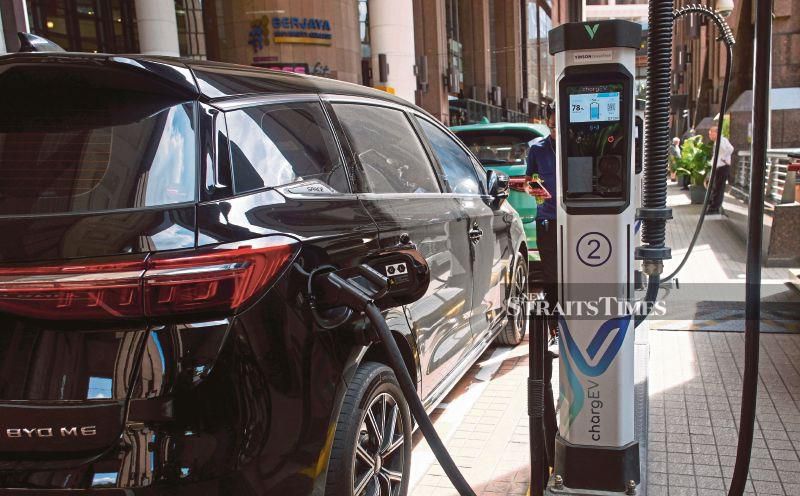
A recent development has left Malaysia's automotive market in a precarious position, caught between a glut of Chinese electric vehicles (EVs) and increasingly stringent regulations from its own government. Anger has been simmering on local EV forums and social media, as the toughened regulatory stance has been perceived as shielding traditional car manufacturers at the expense of affordable, eco-friendly mobility options for everyday Malaysians.
When prices for high-quality electric vehicles suddenly became less accessible, frustration among consumers was palpable.
Meanwhile, Thailand, a leading proponent of EVs, has also begun imposing higher tariffs and stricter local content requirements for vehicles assembled within its borders. This move could signal a shift in the global automotive industry, as nations grapple with the rapidly evolving landscape of battery-powered vehicles. Thailand's burgeoning automotive sector, which accounted for 55% of all car sales by June 2025, is now facing an uncertain future as it struggles to meet its ambitious targets.
Malaysia's automotive industry, which supplies 90% of its production to the domestic market, is also grappling with the transition to electric vehicles. Proton, Malaysia's domestic EV manufacturer, has fallen short of its targets, with annual production capped at just 20,000 units. While this may seem minimal, the company had projected a much higher output of 40,000 units.
With demand outpacing supply, Proton is now scrambling for additional manufacturing capacity, and the looming challenge of meeting strict local content requirements looms large.
Written by urgent.news from New Straits Times's reporting — not their text. Machine-written — may contain errors; check the original before relying on it.