A Trade Truce, Not Peace: What Trump and Xi Are Really Negotiating
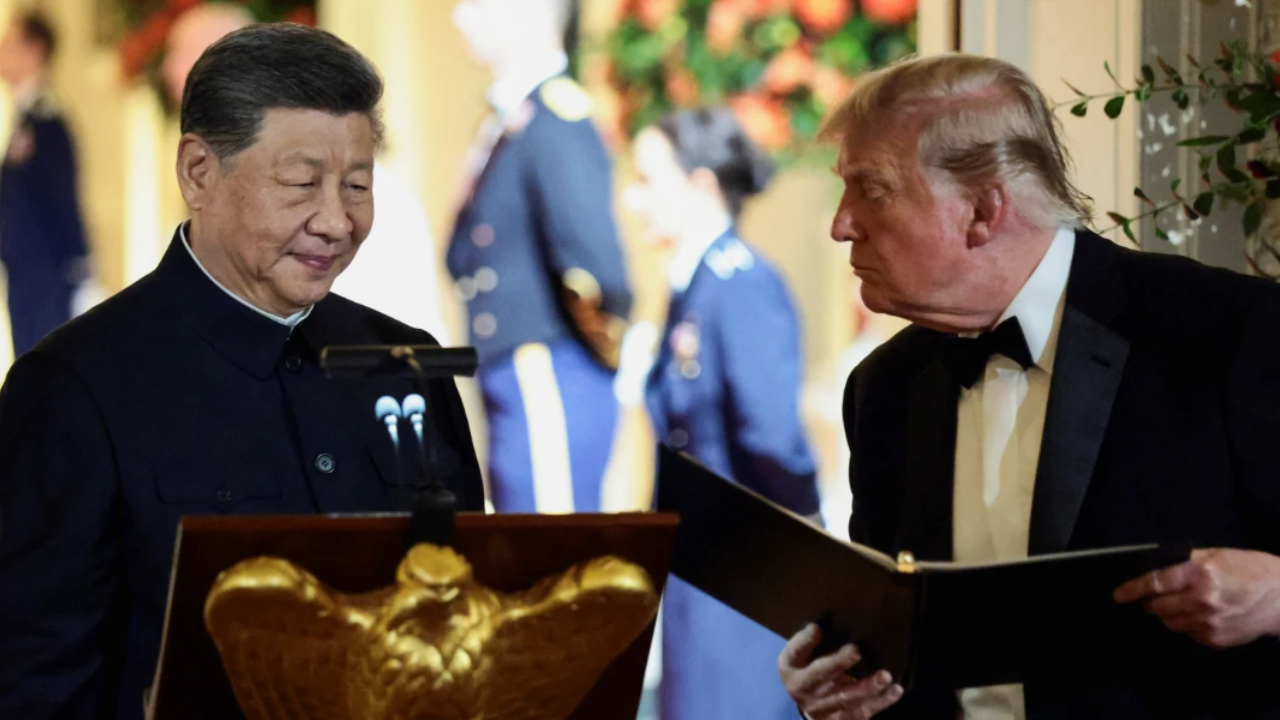
The upcoming Trump-Xi summit is expected to center on extending the US-China trade truce set to expire on Nov. 10, with Beijing seeking a long-term extension and Washington favoring a shorter arrangement to maintain negotiating leverage.

Donald Trump and Xi Jinping are set to meet in Washington on September 24 to discuss more than just trade. Rare earths, semiconductors, and artificial intelligence are all crucial topics, along with Taiwan and ongoing conflicts in Ukraine and Iran. However, trade remains the most revealing aspect, as it has become a tool for Washington to influence Beijing.
The trade truce, set to expire on November 10, is the top priority for Xi Jinping. A failure to extend the agreement could lead to a rollback of tariff reductions agreed upon by both countries, potentially reigniting the tariff war that began during the Trump administration.
The question is not whether the US and China can resolve their economic differences, but how long they are willing to put them aside. China aims to secure an extension of tariff reductions until the end of the Trump administration in 2029, while the US is more cautious, favoring an extension of just six months to a year. This shorter agreement would maintain tariff leverage as negotiations continue on a broader range of economic and strategic issues.
China's overall trade surplus reached approximately $1.2 trillion in 2025, and the country is on track to surpass this record this year. Despite tariffs changing where Chinese goods go, China's export machine has not been stopped. Instead, manufacturers have redirected goods to other markets, including ASEAN, Europe, India, and Latin America. Beijing's response to US leverage is to reduce its dependence on the US market, creating an incentive to keep access to the US market while lessening dependence on it.
For Washington, the challenge lies in extracting concessions without pushing China towards diversifying its export markets further. Energy presents a potential area of cooperation, with the establishment of a Board of Trade to pursue reciprocal tariff reductions covering around $30 billion of goods on each side. US liquefied natural gas (LNG) could benefit both sides, as China seeks to diversify its fuel sources.
However, additional tariffs proposed by the Trump administration to address concerns over China's industrial overcapacity could complicate negotiations, even as both sides strive to prevent the existing truce from falling apart.
Written by urgent.news from Kyiv Post's reporting — not their text. Machine-written — may contain errors; check the original before relying on it.