What PISA keeps telling us about foundations
Indonesia’s latest PISA performance remains below the targets, but the broader trajectory contains genuine progress.
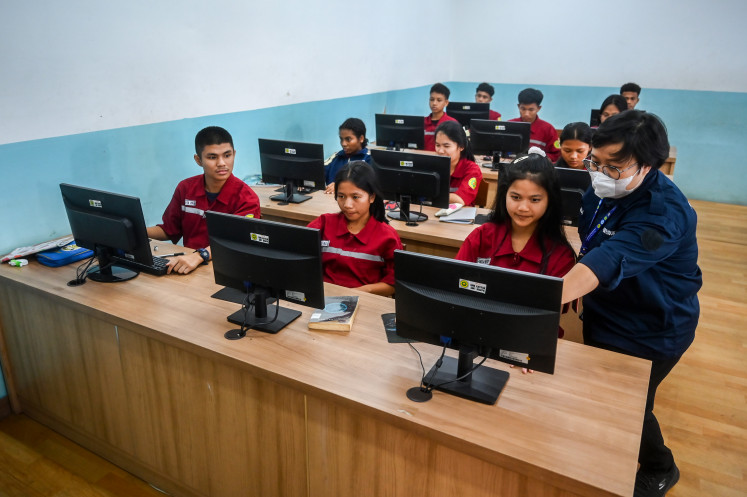
Indonesia's latest PISA performance remains below set targets, yet the overall trend demonstrates genuine progress. Australia's Prime Minister Jason Clare, speaking to the Australian Parliament post-PISA 2025 results, praised England's stable scores, which led to a notable rise in its global rankings – climbing four places in reading, one in mathematics, and five in science. This improvement is credited to a disciplined, 14-year overhaul of early literacy instruction.
England's drive began with Sir Jim Rose's 2006 independent review, which recommended systematic synthetic phonics as the primary method for early reading instruction from age five. This approach systematically teaches children to map letter-sound correspondences before blending them to decode words, providing a solid decoding foundation before tackling sentence-level reading.
This skill is crucial in English-speaking countries, where orthography and phonology often don't align, allowing pupils to independently decode unfamiliar vocabulary.
The Labour government implemented this method across all state-funded primary schools by 2007. A diagnostic tool, the Phonics Screening Check for Year 1 pupils, was introduced in 2012, further solidifying the reform. In the 2021 PIRLS, England's performance soared to fourth globally, up from 19th in 2006, a steady climb that has persisted despite changes in leadership and political shifts.
Australia has adopted similar strategies. After observing these diagnostic assessments during a recent visit, it's clear that these tools provide teachers with real-time, granular data to guide small-group interventions before learning gaps become entrenched. These practices, which began in Australia in 2018 and expanded to a national Year 1 numeracy check in 2025, echo England's success, offering a compelling model for structural education reform.
Written by urgent.news from The Jakarta Post's reporting — not their text. Machine-written — may contain errors; check the original before relying on it.