What can Asia, Global South learn from India’s new digital payment fee?
For millions of Indians, buying a cup of chai or groceries from roadside vendors has come to mean reaching for their phones rather than wallets – a habit made possible by a system that has so far charged consumers nothing for such everyday transactions. Now, a decade after the government launched the Unified Payments Interface (UPI), India is asking some merchants to pay for the hugely popular…
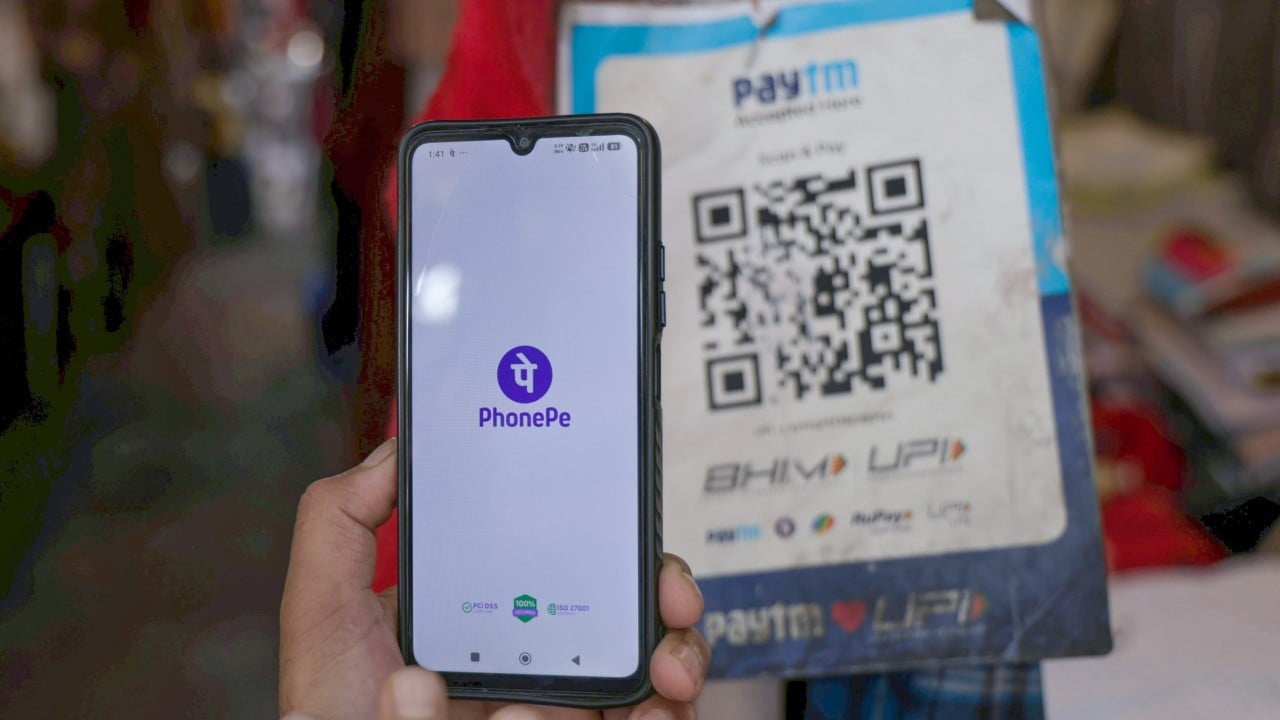
India's Unified Payments Interface (UPI) has transformed ordinary transactions into phone-based payments, benefiting millions of consumers. Launched a decade ago, UPI has become a cornerstone of India's digital economy, with transaction volumes soaring from 17.8 million in 2016-17 to 241.62 billion in the 2023-24 fiscal year. The government now proposes charging merchants a 0.4% processing fee on transactions exceeding 2,000 rupees (approximately US$21), capped at 300 rupees.
Critics argue this could undermine the system's low-cost, mass-adoption model, but proponents contend it's crucial for UPI's financial sustainability. The move is expected to generate revenue for maintenance and expansion, benefiting banks and payment providers. Experts suggest a tiered fee structure to minimize distortions, but businesses like fuel dealers would bear a minimal impact.
The global success of UPI, now operational in 11 countries, underscores the potential for other Asian and Global South nations to implement similar models, balancing financial viability with widespread adoption.
Written by urgent.news from South China Morning Post's reporting — not their text. Machine-written — may contain errors; check the original before relying on it.
This story
This is one outlet's version. Read the fullest account.
- New FTAs provide comfort to invest in global supply chains in India: Commerce Secretary Rajesh Agarwal economictimes.indiatimes.com