Black Monday’s stock-market warning signal came from the bond market, and it’s back, says Wall Street veteran
Bonds are starting to deliver “equity-like returns,” according to Larry McDonald, similar to during the summer of 1987.

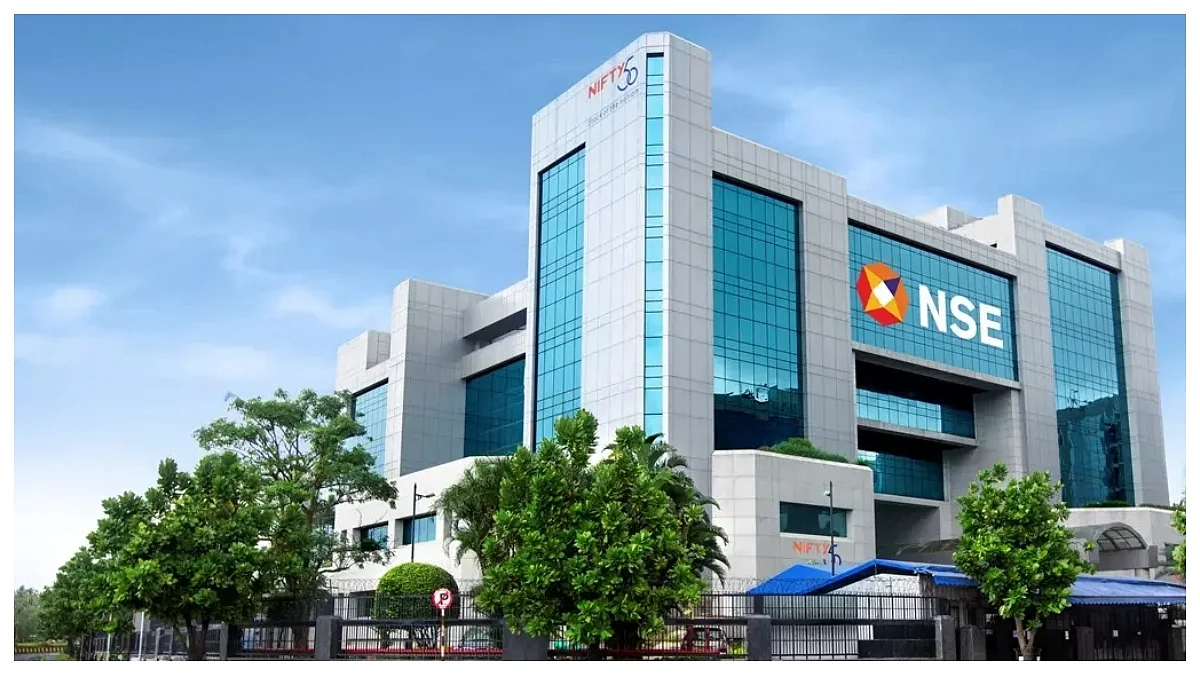
On Thursday, Indian markets experienced a significant drop as investors became concerned about rising crude oil prices, inflationary fears, and increasing bond yields. These factors were further fueled by the ongoing war in West Asia, which has persisted since late February. The Nifty 50 index closed at 23,063.10, down 1.6%, while the Sensex declined 1.7% or 1,247.71 points to reach 73,580.54. All sectoral and broader market indices ended negatively, with the India VIX volatility indicator surging nearly 23%.
The decline was widespread, with about 71% of the stocks listed on the National Stock Exchange (NSE) falling during the session. Banking and insurance stocks were particularly hard hit due to the Insurance Regulatory and Development Authority of India (IRDAI) proposing sweeping changes to the industry. The Indian rupee also dropped to a near-one-week low against the US dollar, but the Reserve Bank of India (RBI) reportedly intervened to stabilize the currency, ending the day at 95.95 against the greenback, a 0.2% decline from the previous close.
Crude oil prices surged above $102 a barrel during the day, as the conflict in West Asia showed no signs of resolution. Iran and the US remain far apart on a solution, with Iranian President Masoud Pezeshkian accusing US President Donald Trump of a "bullying mentality" during a UN address. Both countries have engaged in a series of peace negotiations that have stalled, with no deal close due to frequent breakdowns in talks. India, being a major importer of crude oil, has been heavily affected by the high oil prices.
Meanwhile, the yields on 10-year US Treasury bonds climbed to their highest level since 2007, as expectations of an interest rate hike by the US Federal Reserve intensified. This posed a double threat to India, an emerging market already grappling with high crude prices. The S&P Global's flash US Composite PMI Output Index rose to its highest level since July 2021 in September, signaling robust economic growth despite past slowdown concerns.
However, input prices paid by businesses in the country reached a near four-year high, raising inflation fears. This led to a 75% jump in the likelihood of a 25-basis-point rate hike by the Fed in its October meeting, up from around 71% the previous week.
Expectations of a rate hike from the US central bank caused bond yields to rise, as new bonds issued after a rate hike offer higher returns to investors. Higher bond yields, in turn, negatively impacted equity markets in countries like India, as investors sought safer and more lucrative options like US bonds. The weak Indian currency made dollar-denominated assets even more attractive, potentially leading to a selloff by foreign investors.
Foreign portfolio investors (FPIs) had already withdrawn $2.1 billion from Indian equities in the current month, following two consecutive months of buying. In 2026, FPIs have collectively sold over $26 billion of Indian equities due to concerns about inflation, borrowing costs, and global monetary easing.
Written by urgent.news from The Indian Express's reporting — not their text. Machine-written — may contain errors; check the original before relying on it.
This story
This is one outlet's version. Read the fullest account.
- Sensex today | Stock Market Highlights: Dalal Street hit by crude fire, US yield surge, Nifty closes 1.64% lower at 23,063, Sensex lost 1,247 points thehindubusinessline.com
- Sensex, Nifty down over 1.6%: How crude oil, bond yields hit Indian markets indianexpress.com
- Black Monday’s stock-market warning signal came from the bond market, and it’s back, says Wall Street veteran marketwatch.com