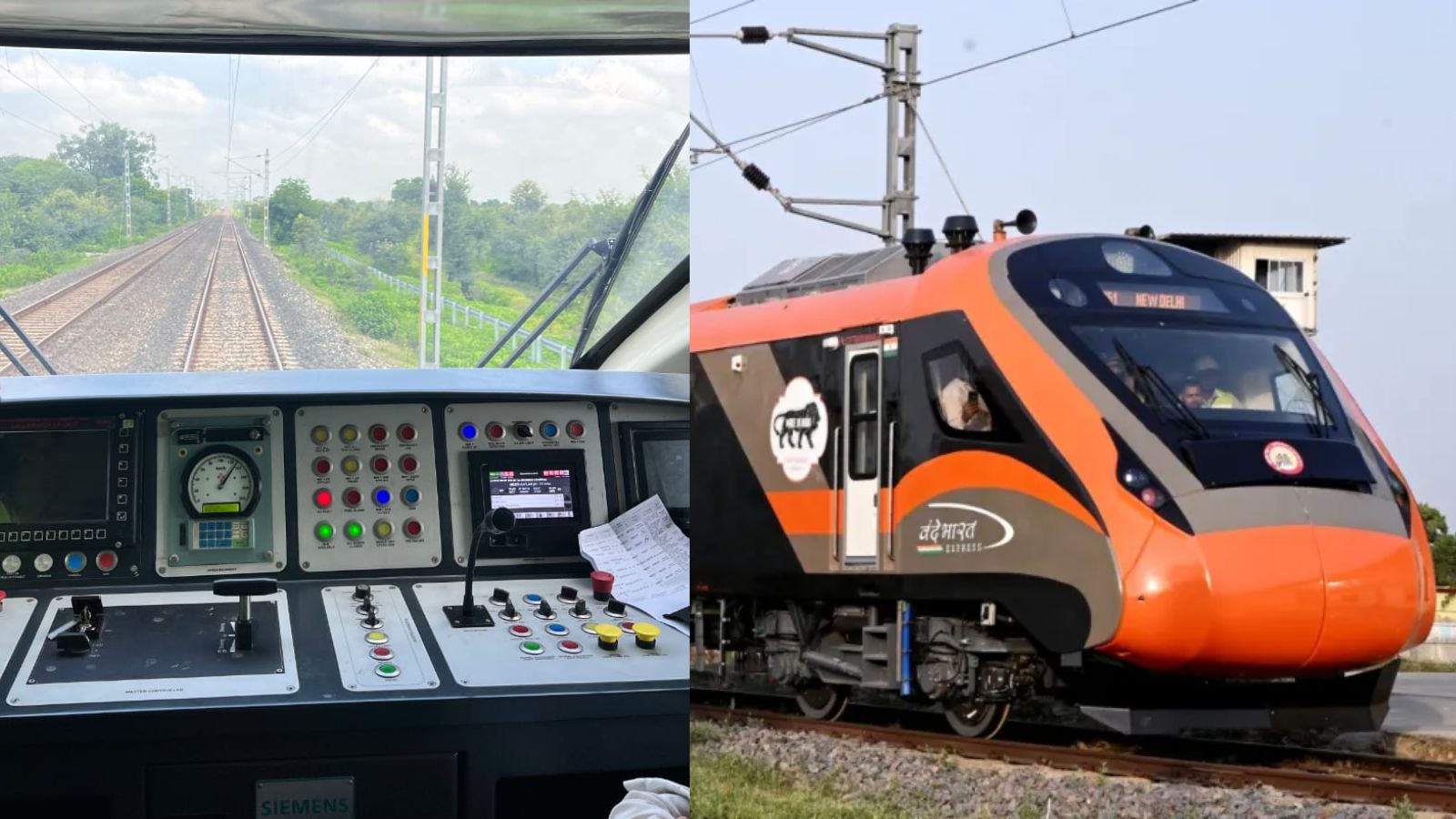
Vande Bharat train hits 180 kmph in high-speed trial, more tests ahead
India's infrastructure development has led to significant reductions in travel times across the country. Bridges, tunnels, expressways, and railways have all played a role in making journeys faster.
Notable bridges include the Bhupen Hazarika Setu, which cuts travel time between Assam and Arunachal Pradesh from six hours to one hour, and the Bogibeel Bridge, reducing the journey between Assam and Nagaland from almost a day to one to two hours.
Tunnels have also made a difference. The Atal Tunnel bypasses the Rohtang Pass, cutting 46 km from the Manali-Sarchu route and saving four to five hours. The Dr Syama Prasad Mookerjee Tunnel shortens the Jammu-Srinagar route by about 30 km and saves nearly two hours.
Expressways have compressed long road journeys. The Delhi-Meerut Expressway reduced the trip from around two and a half hours to 50 minutes, while the Delhi-Dehradun Economic Corridor cut travel time from over six hours to around two and a half hours.
Railways have also seen speed improvements. The 2026 railway timetable has sped up 549 trains across the network, with 20 trains gaining at least 60 minutes, 48 gaining 31-59 minutes, 105 gaining 16-30 minutes, and 376 becoming five to 15 minutes faster. Vande Bharat services are around 40-50% faster than earlier services on the route, and the Vande Bharat Sleeper between Howrah and Guwahati reduces the journey from around 17 hours to about 14 hours.
Written by urgent.news from Times of India's reporting — not their text. Machine-written — may contain errors; check the original before relying on it.
This story
This is one outlet's version. Read the fullest account.
- From 33 to 12 hours, 14 to 6: Vande Bharat, roads cutting travel time drastically timesofindia.indiatimes.com
- Vande Bharat train hits 180 kmph in high-speed trial, more tests ahead indianexpress.com