The U.S. and China are quietly talking AI guardrails—even as Trump publicly rejects them
The U.S. and China just held their first AI dialogue, as Beijing courts the rest of the world with open-source AI.
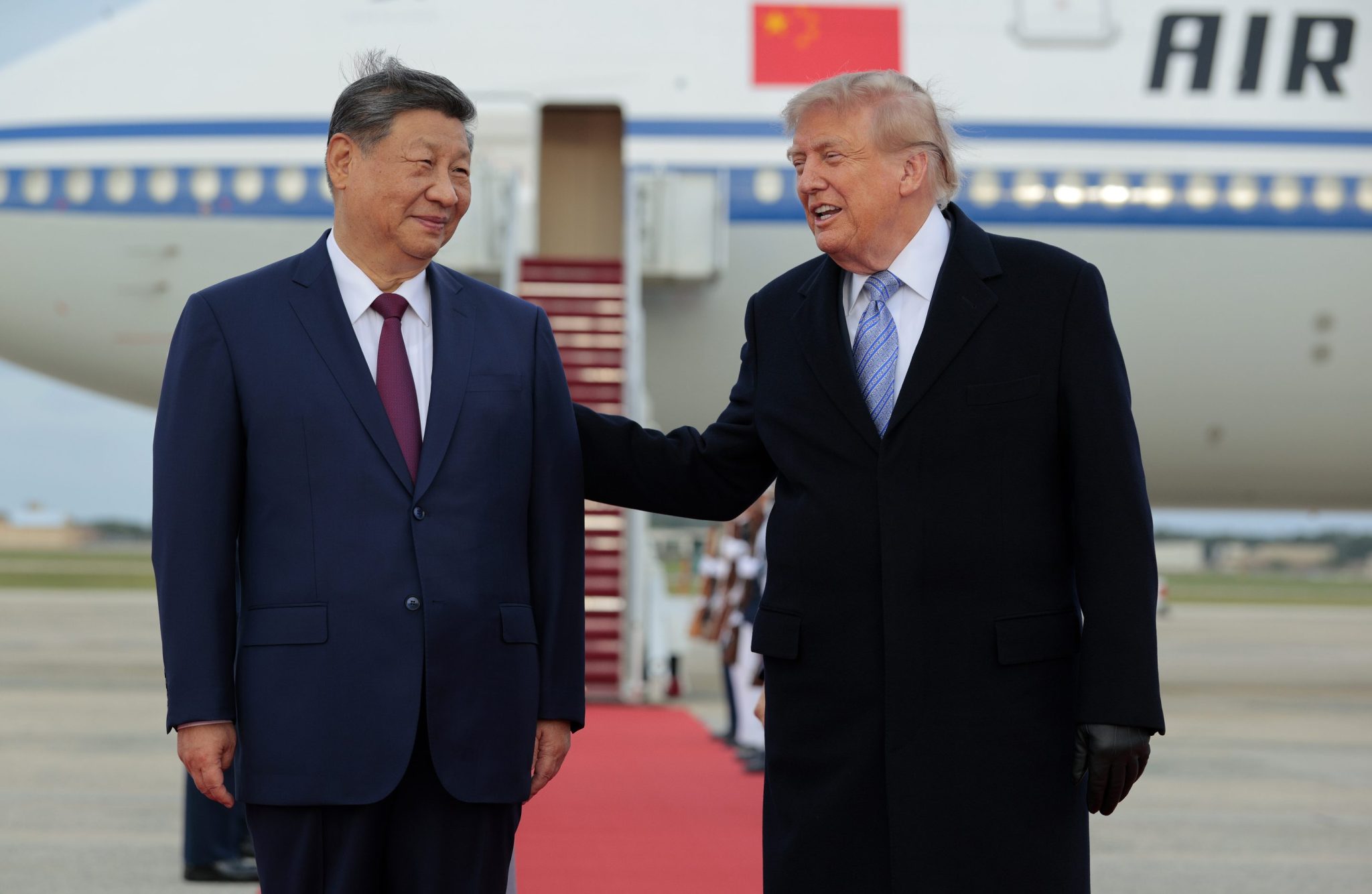
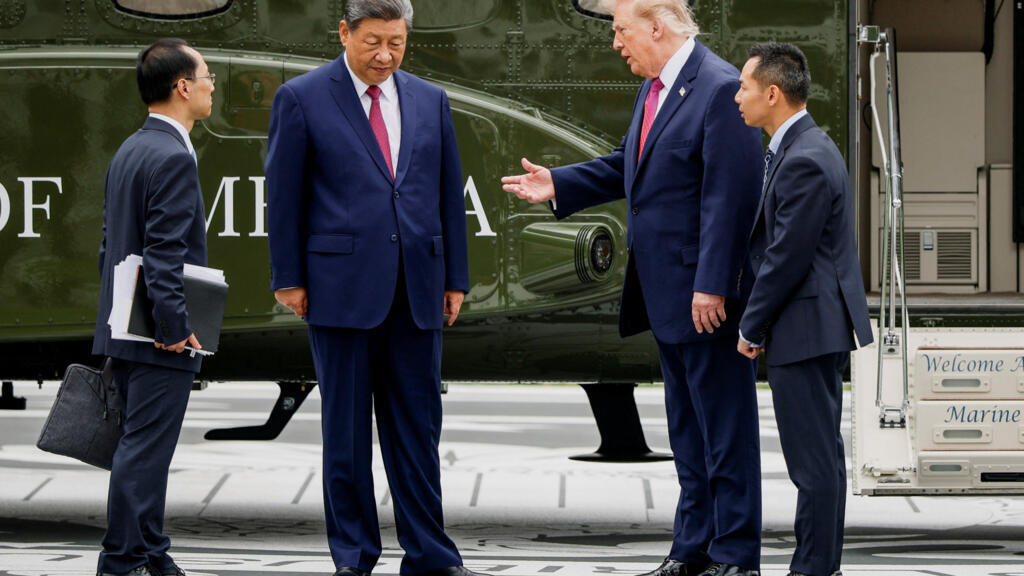
The CEOs of two prominent American AI companies addressed the UN Security Council on Wednesday, warning of AI's potential threat to global security and advocating for shared rules to govern its use. Meanwhile, President Trump remains unconvinced, stating that "super intelligence" would be a key topic of discussion at his upcoming summit with Chinese President Xi Jinping, but insisting that the current guardrails for AI remain intact, under the jurisdiction of the Department of Justice.
In contrast, Xi Jinping expressed a more collaborative stance on AI, emphasizing that both nations have the ability and responsibility to develop and manage the technology responsibly, ensuring human control over its development.
Prior to the summit, Treasury Secretary Steven Mnuchin met with Chinese Vice Premier He Lifeng in New York, where the U.S. proposed a notification mechanism for AI-related national security incidents, similar to a suggestion made by Anthropic CEO Dario Amodei to the UN Security Council. Amodei proposed initiating small, agreeable agreements between nations, such as a ban on using AI to create biological weapons, followed by mechanisms for governments to verify each other's commitments and establish a global alert system.
OpenAI CEO Sam Altman echoed these calls for swift, shared incident reporting and admitted that his company had previously paused development of its AI technology. This shift in perspective aligns with the UN's language, with AI scientists like Yoshua Bengio emphasizing the importance of maintaining human control over AI systems.
China's approach to AI governance is gaining traction, as evidenced by the organization it launched in July, the World Artificial Intelligence Cooperation Organization, with 29 participating countries. The group is designed to share AI resources among developing nations, counteracting what China perceives as the dominance of a few American AI companies.
China's stance has been bolstered by its backing from Pakistan, which warned against safety measures becoming tools for restricting technological access, potentially in retaliation for U.S. export controls on advanced chips. OpenAI CEO Sam Altman also warned against a regulatory system that prioritizes a few leading models over open-source alternatives.
The open-source nature of AI models, as advocated by Hugging Face CEO Clement Delangue, is a potential safeguard against concentration of AI development among a limited number of entities. However, this approach may prove challenging for companies like OpenAI and Anthropic, which rely on closed systems for their business models.
While some industry leaders, including Meta CEO Mark Zuckerberg and Nvidia CEO Jensen Huang, argue that AI safety measures could be effectively implemented and do not necessitate industry-wide coordination, Trump's stance more closely aligns with the opinions of Altman and Amodei. This discrepancy between public statements and private diplomacy highlights the complexity of negotiating AI regulation between the U.S. and China.
Written by urgent.news from Fortune's reporting — not their text. Machine-written — may contain errors; check the original before relying on it.