‘So many lives wasted': UNHCR chief urges Middle East leaders to break cycle of war
The UN High Commissioner for Refugees has called on the Middle East “not to give up” on ending violent wars, saying “lost opportunities” due to conflict affect everyone. In an interview with The National , Barham Salih said “lessons must be learnt”, adding that “unfortunately, forced displacement has become a feature of our contemporary history, and it is because of conflict and repression”. He…
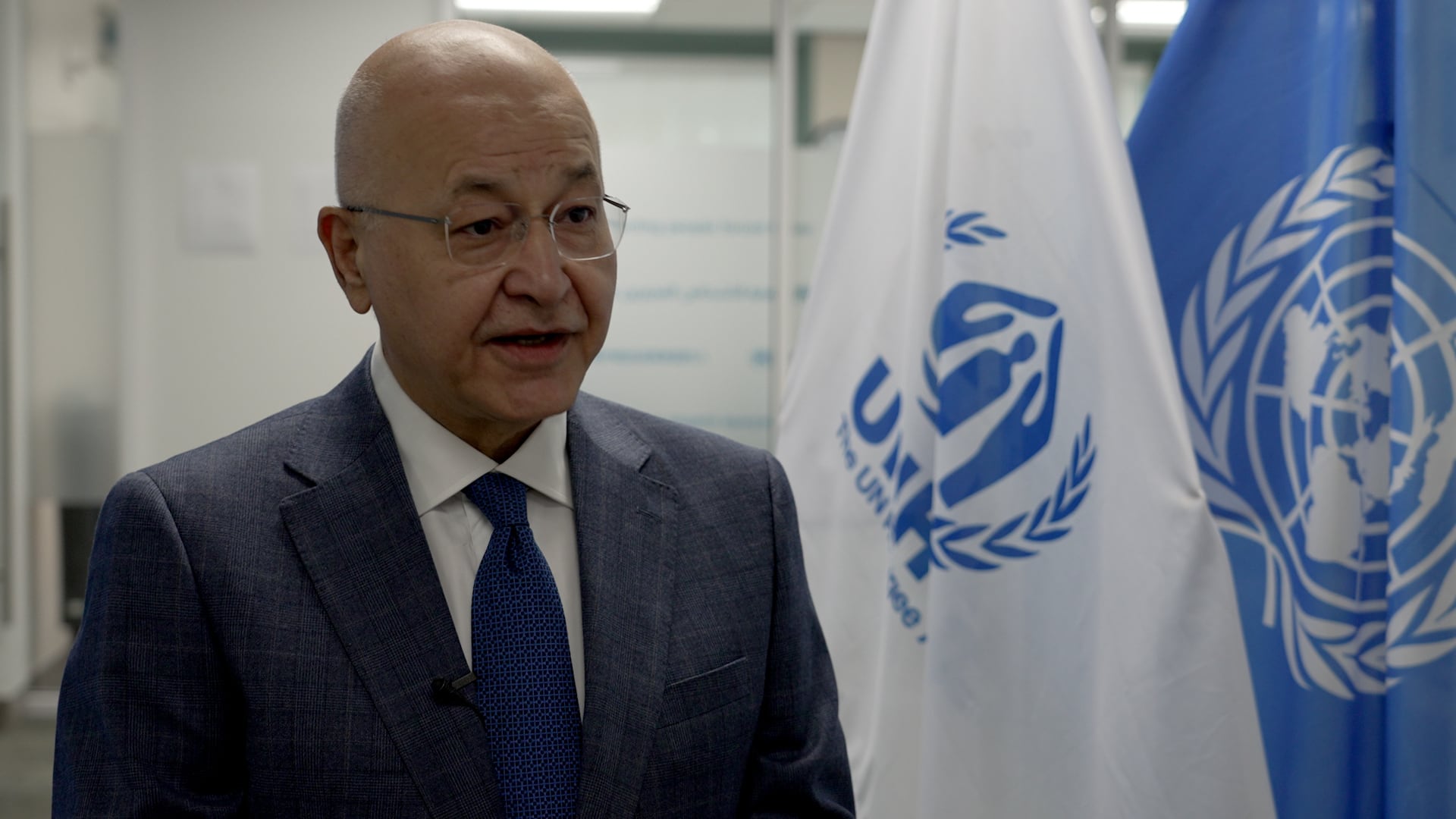
The United Nations High Commissioner for Refugees (UNHCR) chief, Barham Salih, has urged Middle Eastern leaders to end the cycle of violence and conflicts that have resulted in a significant number of lives being lost. Speaking to The National, Salih emphasized that forced displacement has become a common feature of contemporary history due to conflict and repression, and it affects everyone, not just those directly impacted by war.
He stressed that the region must reflect on this issue and work towards finding a solution, given the immense waste of lives, opportunities, wealth, and talent.
Salih called on leaders from the Middle East and around the world to reevaluate their approach to conflict, stating that the region needs to take a more serious stance in breaking the cycle of unrelenting conflict. He reiterated that the international community must not turn away from those in need of protection, particularly in light of the 75th anniversary of the 1951 Refugee Convention, which aims to provide assistance to those fleeing persecution, violence, and conflict.
Although acknowledging the political dynamics that may prompt some leaders to advocate for stricter border controls and immigration policies, Salih remains firm in his belief that the world cannot turn its back on those in need. He emphasized that the integrity of the asylum system must be upheld to protect those who have a well-founded fear of persecution or are fleeing conflict and violence.
While recognizing that irregular migration is a challenge faced by many countries, Salih stressed the importance of maintaining a humane and legally consistent approach to immigration controls.
Salih further argued that the issue of border controls is distinct from the asylum system, and the latter should not be questioned due to the ongoing migration crisis. He urged politicians who oppose migration or the admission of refugees to recognize that such actions are not only a matter of morality and human responsibility but also a fundamental national interest.
He cited the example of Syria, where the displacement of millions of people during the civil war had far-reaching consequences for global politics, and warned that turning away from the plight of refugees would only exacerbate the situation. Salih's goal is to reduce the number of people who have been displaced for years on end, as two thirds of the 41 million legally recognized refugees have been in protracted displacement for five years or more, dependent on humanitarian assistance.
Written by urgent.news from The National UAE's reporting — not their text. Machine-written — may contain errors; check the original before relying on it.
This story
This is one outlet's version. Read the fullest account.
- A quarter-century after the 'war on terror' began, the American Middle East is over middleeasteye.net
- ‘So many lives wasted': UNHCR chief urges Middle East leaders to break cycle of war thenationalnews.com
- Wall Street slips as Middle East escalations lifts oil; Trump-Xi talks in focus koreatimes.co.kr
- UNGA: Netanyahu, Abbas to speak as Middle East dominates day dw.com
- Japan urges free, safe navigation in Middle East at UN meeting nst.com.my