Saudi Arabia eases Asian oil crunch by selling 100 million barrels in a week
Saudi Arabia has sold almost 100 million barrels of oil to Asian buyers since the middle of last week, helping to avert a looming supply crunch. The crude for delivery in October and November will be sent via the Strait of Hormuz, traders told Bloomberg. Chinese state-run and independent refiners, as well as processors in India, Japan and South Korea, are among the buyers, they said. The unusual…
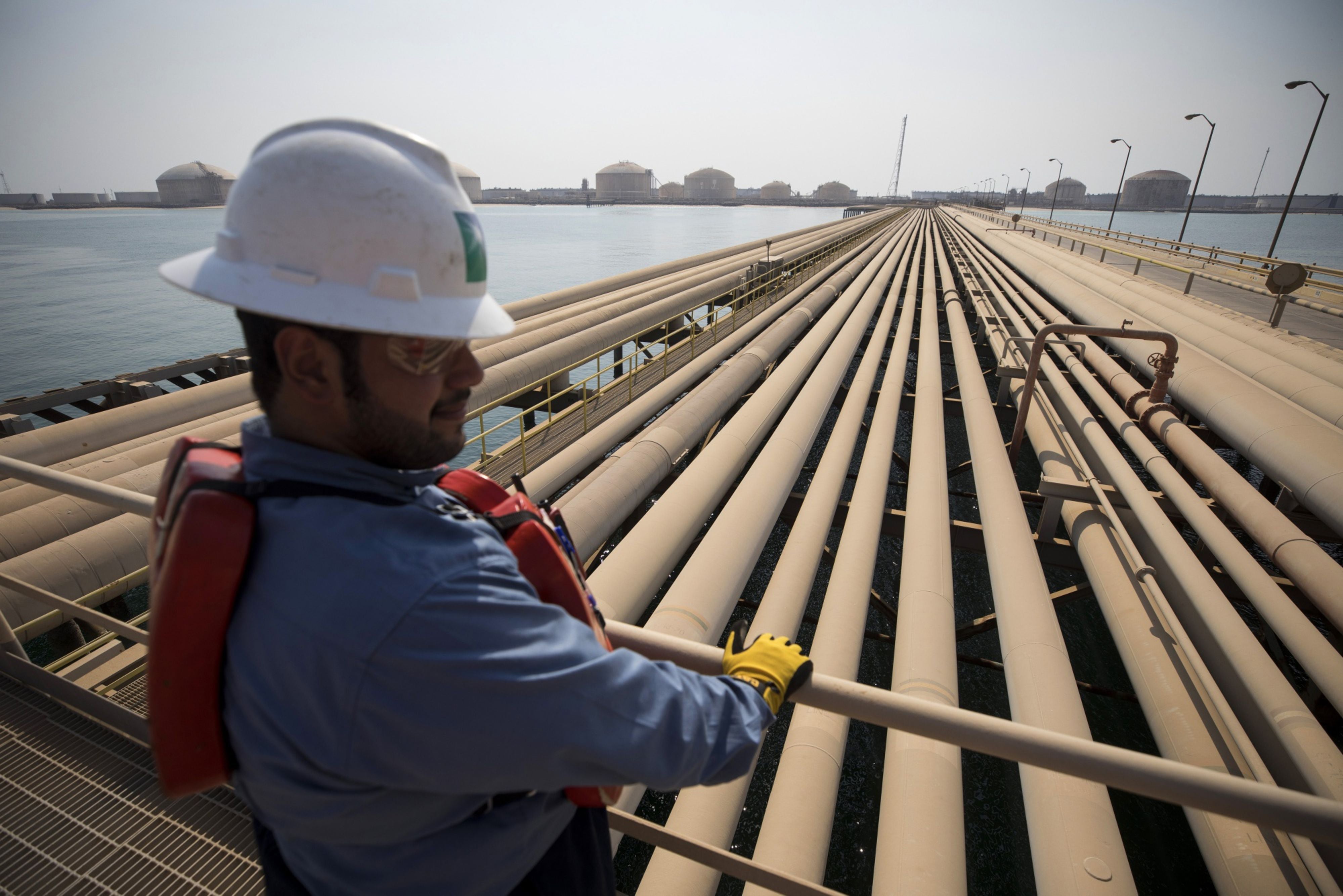
Saudi Arabia has been selling nearly 100 million barrels of oil to Asian countries since mid-last week, averting an anticipated supply shortage. The crude destined for delivery in October and November will traverse the Strait of Hormuz, according to traders cited by Bloomberg. Buyers include Chinese state-run and independent refiners, as well as processors from India, Japan, and South Korea.
This sudden influx of sales is equivalent to roughly one day's worth of global demand and represents a more than doubling of the usual Saudi-to-Asia shipments through the Strait of Hormuz. While Saudi Arabia's East-West pipeline, which sidesteps Hormuz by transporting oil to the Red Sea, remains partially non-functional after being struck on September 10, the kingdom's Aramco is in the early stages of reviving the channel, targeting a substantial recovery by Saturday.
This forced Saudi Arabia to export more oil via the Strait of Hormuz, with satellite data indicating a surge in loaded vessels from the Arabian Gulf over the weekend. Notably, Aramco is offering to manage logistics and deliver the crude directly to Asian customers. Aramco did not offer further comment. The delivery of this oil will be appreciated in Asia, where Chinese and Indian refiners have contemplated decreasing production due to record-high prices.
Iranian exports have ceased due to a US embargo, and purchasers have shunned Russian crude because of increasing political risks, intensifying the competition for grades from Africa to Latin America. Over the course of the US-Iran conflict, the burden for transporting oil has gradually shifted from buyers to sellers. Traditionally, Gulf producers offered crude on a so-called free-on-board basis, requiring customers to send their own vessels to retrieve it.
However, in light of the crisis, refiners have been hesitant to do so due to the threat of attacks. Now, Gulf producers are assuming a larger share of the shipping risks.
Written by urgent.news from The National Business's reporting — not their text. Machine-written — may contain errors; check the original before relying on it.
This story
This is one outlet's version. Read the fullest account.