Pakistan in uncharted waters as ‘super El Nino’ multiplies threats
• 2027 most likely to become hottest year ever • El Nino may impact monsoon, bring droughts to southern provinces; can cause 451,000 extra deaths ISLAMABAD: With 2027 likely to become the hottest year due to the cumulative effects of global warming and El Nino, Pakistan is in uncharted waters, as this weather pattern could push the country toward food insecurity and extreme temperatures.…
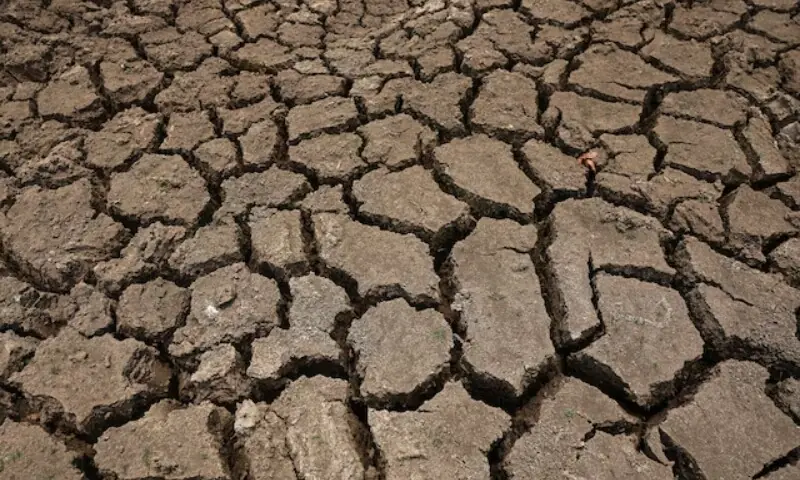
Pakistan finds itself in uncharted territory as a powerful El Nino sets off a cascade of threats. With 2027 on track to become the hottest year on record, a confluence of global warming and this weather pattern could plunge the nation into food shortages and scorching temperatures. The World Meteorological Organization and climate scientists warn that a particularly strong El Nino could significantly alter temperature and rainfall patterns, particularly in Pakistan's southern provinces, where drought conditions may prevail.
The global mean surface temperature has already risen by 1.4°C since the pre-industrial era, but this intense El Nino could add an additional 0.3°C, pushing temperatures to 1.7°C above pre-industrial levels. This "super El Nino" is expected to increase global hunger, with 274 million people across 45 countries forecast to be acutely food insecure by year-end, a 49 million increase from today.
Health officials brand it a "significant public health threat," warning that intersecting climate shocks, weak health systems, food insecurity, displacement, and humanitarian crises could lead to disaster. Dr. Fahad Saeed, a leading climate scientist, likens the current event to a historic "gigantic El Nino" in 1877-78, which caused millions of deaths.
However, he cautions that the peak and strength of this event are not yet clear, as factors influencing rainfall remain uncertain. The recent below-normal monsoon rainfall in June, July, and August in Pakistan, as reported by the Pakistan Meteorological Department, underscores the challenge in predicting the impact of this El Nino.
While historical data suggests that El Nino typically weakens the summer monsoon, eight out of 11 El Nino events in Pakistan have been associated with below-normal monsoon rainfall. Yet, three years—1977, 1994, and 1997—saw above-normal rainfall. The looming threat of deadly heatwaves in southern Pakistan, fueled by El Nino-driven temperatures, could exacerbate the situation, potentially resulting in over 1,000 heat-related deaths.
This year's El Nino could cause 451,000 additional heat-related deaths globally through February, with the Sahel region in Africa facing the highest risk. The World Health Organization warns that this could be a "significant public health threat" and a "risk multiplier," urging immediate action from governments to prepare for the potential impacts of these natural climate variations.
Written by urgent.news from Dawn's reporting — not their text. Machine-written — may contain errors; check the original before relying on it.