NASA Shares SpaceX Crew-14 Assignments for Space Station Mission
Four crew members from three space agencies will launch to the International Space Station no earlier than spring 2027 for a long-duration science expedition as part of NASA’s SpaceX Crew-14 mission. NASA astronauts Kayla Barron and Chris Birch will serve as spacecraft commander and pilot, with JAXA (Japan Aerospace Exploration Agency) astronaut Makoto Suwa, and Roscosmos cosmonaut […] The post…
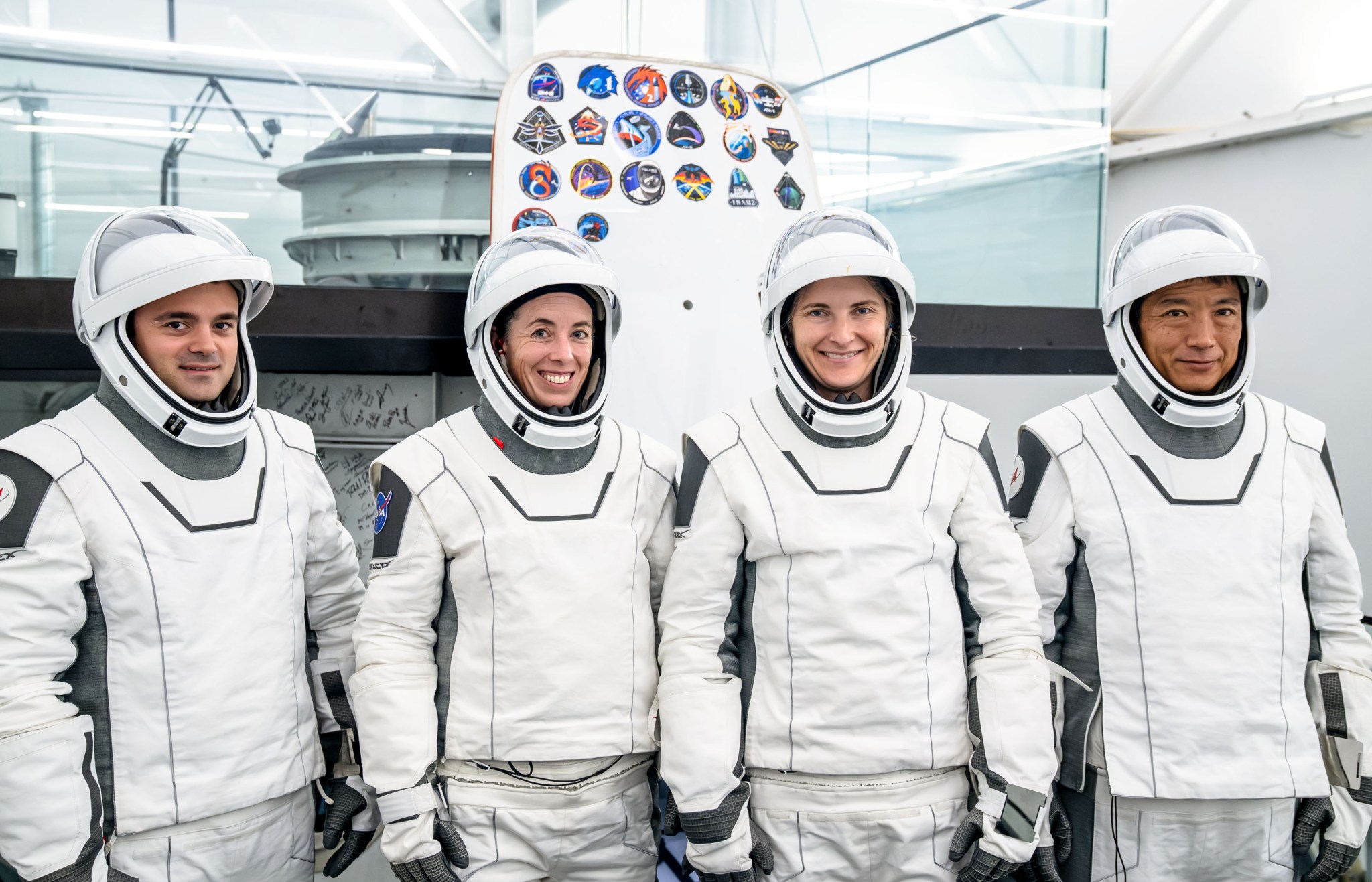
NASA has announced the crew for the upcoming SpaceX Crew-14 mission to the International Space Station, set to launch no earlier than spring 2027. The mission, part of NASA's SpaceX Crew-14 program, will see four astronauts from three space agencies embarking on a long-duration science expedition aboard the ISS. Leading the crew will be NASA astronauts Chris Birch, who will serve as spacecraft commander, and Kayla Barron, the pilot.
Accompanying them will be JAXA astronaut Makoto Suwa and Roscosmos cosmonaut Arutyun Kiviryan, who will both act as mission specialists. After their arrival, the crew will join Expedition 75/76 aboard the space station. This mission marks the 14th commercial crew rotation for SpaceX under NASA's Low Earth Orbit Program, with the crew conducting scientific investigations and technology demonstrations to prepare for future Moon and Mars exploration missions, as well as benefiting life on Earth.
For Barron, this will be her second spaceflight to the ISS, having previously served as part of NASA's SpaceX Crew-3 mission in 2021. Birch, a first-time space traveler, brings a background in mathematics and biochemistry, with recent contributions to NASA's Artemis program. Suwa, making his first spaceflight, brings expertise in geosciences, while Kiviryan, a Roscosmos cosmonaut, will be making his debut trip to the ISS.
Written by urgent.news from NASA Science's reporting — not their text. Machine-written — may contain errors; check the original before relying on it.