Eco moorings cut seagrass damage by 94% at England’s Studland Bay
At England’s Studland Bay, eco-moorings helped seagrass recover after years of damage from traditional boat anchors. A study found bare patches in one trial area shrank by 94% between 2021 and 2025. Volunteer divers have also reported rising seahorse numbers, along with sightings of eels, crabs and other marine life.
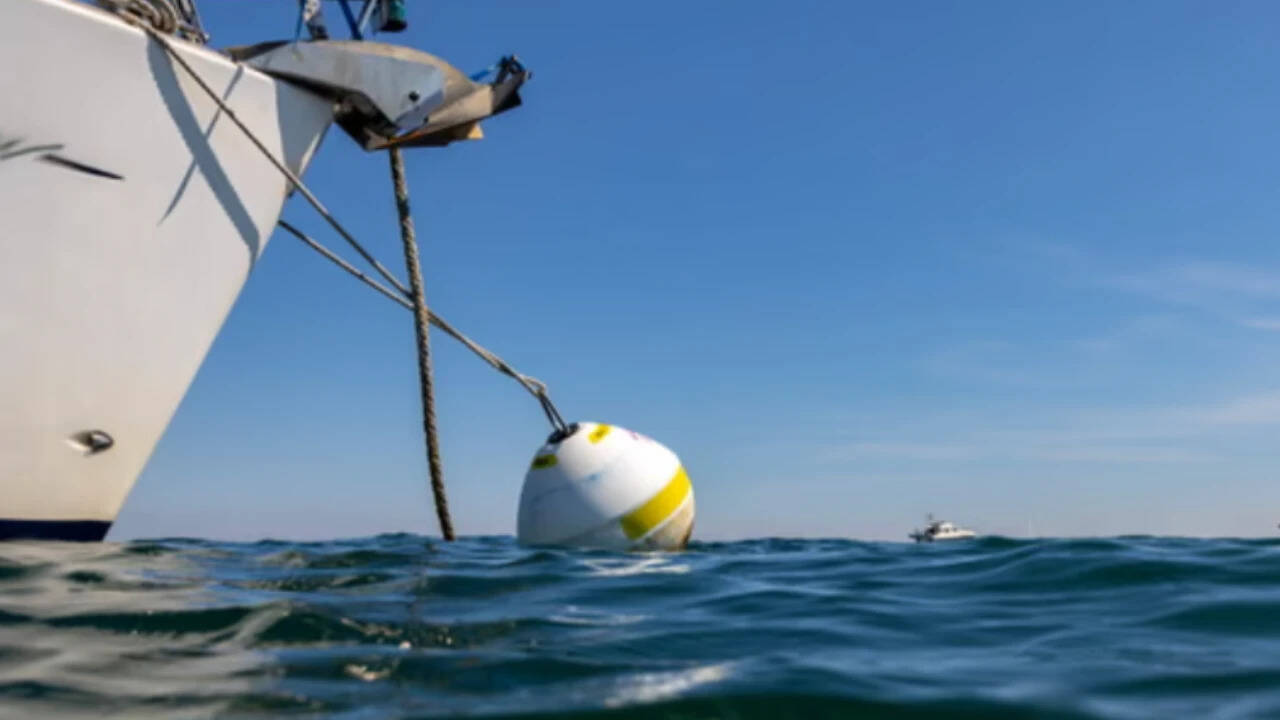
Traditional boat anchors have caused significant damage to seagrass at England's Studland Bay, but the introduction of eco-moorings has reduced that damage by 94% over a five-year period. Researchers from the University of Southampton found that the seagrass recovery at the site is also creating better conditions for marine life, including seahorses.
The eco-moorings, which consist of a helical screw anchored securely into the seabed and an elasticated riser connecting to a surface buoy, prevent the mooring equipment from repeatedly disturbing the seabed. This has allowed areas previously physically disturbed to recover, with bare patches in the seagrass shrinking by an average of 94% in one trial area.
Additionally, volunteer divers monitoring seahorses at Studland Bay have reported increases in their numbers since the eco-moorings were introduced, indicating the wider benefits of the meadow as an underwater habitat. Seagrass meadows are valuable ecosystems that provide shelter and habitat for marine species, store carbon, and help protect coastlines from erosion.
However, they are declining globally due to pollution, coastal development, and the climate emergency. At Studland Bay, the popularity of the area among leisure boaters has added pressure to the seagrass. The findings from the study provide scientific evidence for using eco-moorings to protect seagrass and support their continued use and expansion in sensitive marine environments.
Written by urgent.news from Times of India's reporting — not their text. Machine-written — may contain errors; check the original before relying on it.