Kishau: A Dam That Could Reshape The Yamuna Basin
The Kishau Multipurpose Project has finally crossed its most formidable hurdle: six states—Himachal Pradesh, Uttarakhand, Haryana, Uttar Pradesh, Rajasthan and Delhi—have agreed to move ahead with a project decade in the making. The proposed dam on the Tons, a major tributary of the Yamuna, is not merely another hydropower project. It is a regional water-security arrangement involving irrigation,…
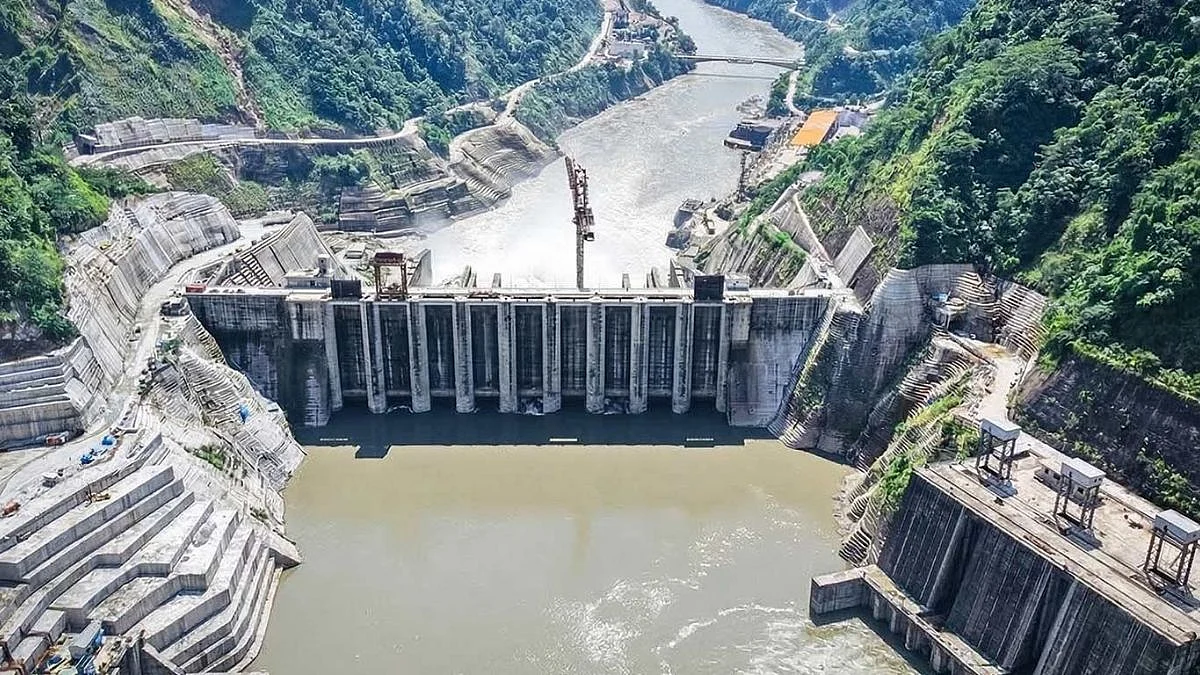
The Kishau Multipurpose Project, a long-standing collaboration between six states in India, has finally gained traction. The proposed dam on the Tons River, a major tributary of the Yamuna, aims to address water scarcity, irrigation, drinking water, industrial needs, power generation, and ecological restoration. The agreement also carries financial implications for Himachal Pradesh, as the state will not bear the project's financial burden while retaining benefits from the power component.
The project's scale is immense, with a proposed concrete gravity dam standing 232.6 meters high and creating a reservoir of approximately 1,562 million cubic meters. It is expected to irrigate around 97,000 hectares and generate 1,476 million units of clean hydropower. The Centre has declared the project a National Project and will bear about 90% of the financial burden, with the participating states sharing the remaining cost.
However, the agreement is only the political beginning; successful implementation will determine its true significance. The Centre's role will be crucial in ensuring timely construction, monitoring milestones, and addressing any disputes that may arise during the project's various stages, including detailed appraisal, environmental clearance, forest and land approvals, financing arrangements, tendering, and construction.
Cost escalation, project delays, and rehabilitation are potential challenges that the Centre will need to address to ensure the project remains on track.
The dam will submerge land in both Himachal Pradesh and Uttarakhand, affecting 17 villages and approximately 5,500 people. Rehabilitation must go beyond mere compensation for acquired land, considering factors such as housing, subsistence, transportation, livelihood support, and other provisions. A transparent, timely, and locally sensitive rehabilitation package is essential to ensure the fairness of the project for affected families.
The six beneficiary states—Haryana, Uttar Pradesh, Rajasthan, and Delhi—stand to gain in various ways. Haryana could strengthen its irrigation security and reduce vulnerability to seasonal water shortages, while Uttar Pradesh may experience improved irrigation reliability and support for rural livelihoods. Rajasthan's water scarcity issues may see significant improvement, and Delhi may benefit from a more assured drinking-water supply and better urban water management.
The project's wider significance lies in fostering cooperative river-basin management and offering lessons for resolving other water-sharing conflicts across India.
Written by urgent.news from Free Press Journal's reporting — not their text. Machine-written — may contain errors; check the original before relying on it.