In Nepal, women seek ownership rights to the lands they tend
POKHARA, Nepal — Before Binita Bishwokaarma understood Nepal’s property laws, she understood the work required to sustain a farm. Growing up in the village of Sindhupalchok, east of the capital, Kathmandu, she spent much of her time helping her mother around the house and in the fields while her father worked in the city. It’s […]
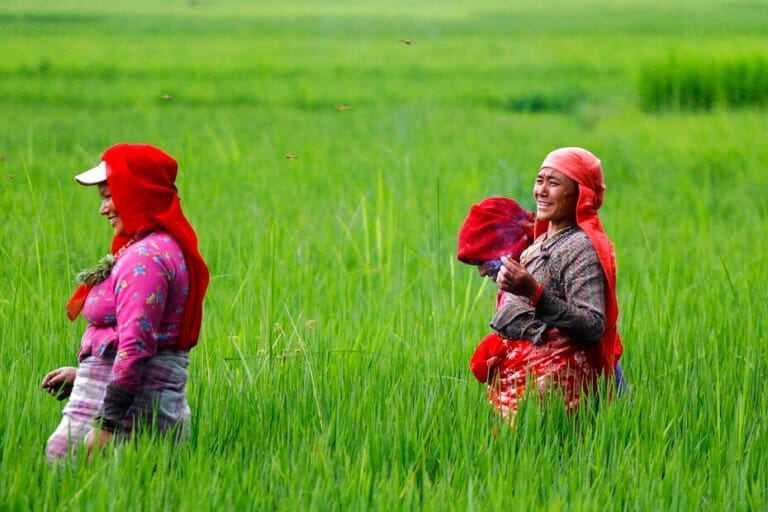
In the rural village of Sindhupalchok, located east of Nepal's capital Kathmandu, Binita Bishwokaarma spent her childhood helping her mother with household tasks and farming duties while her father pursued employment in the city. This is a typical arrangement in Nepal, where agricultural work is often divided based on gender. Bishwokaarma, along with her mother, cultivated corn, potatoes, garlic, and other vegetables, participating in every stage of the agricultural process, from field preparation to harvest.
Bishwokaarma fondly recalled plowing the fields, a labor-intensive task that her family carried out without modern machinery. She noted that the lack of such equipment made the work physically demanding. Despite Nepal's legal framework recognizing gender equality, women and girls in the country often face significant barriers when it comes to owning the land they tend. According to Bishwokaarma, property rights are predominantly held by men in Nepal, limiting women's prospects in this regard.
However, Bishwokaarma emphasizes that women, who make up approximately 70% of the nation's farming population, play a crucial role in maintaining the land. Growing up, she observed firsthand the dedication of women in conserving the environment through sustainable practices such as mixed cropping, crop rotation, and intercropping.
These methods, passed down from mother to daughter, help protect soil health and manage pests naturally. Bishwokaarma's insights shed light on the vital contributions women make to agricultural sustainability in Nepal, despite the challenges they encounter in securing legal ownership of the land they work so diligently on.
Written by urgent.news from Mongabay's reporting — not their text. Machine-written — may contain errors; check the original before relying on it.