IEA backs constitutional changes on asset declaration, unexplained wealth
The Institute of Economic Affairs (IEA) has thrown its support behind proposals to strengthen Ghana’s constitutional framework on asset declaration and unexplained wealth involving public officials. The think tank says tackling corruption requires more than broad constitutional provisions, stressing the need for clear and enforceable measures to improve accountability and address possible illicit…
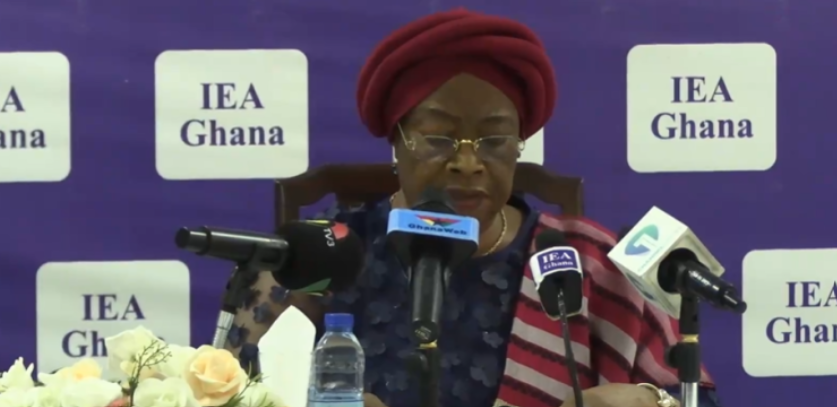
The Institute of Economic Affairs (IEA) has endorsed proposals to enhance Ghana's constitutional framework regarding asset declaration and unexplained wealth for public officials. The organization emphasizes that tackling corruption necessitates more than broad constitutional provisions, advocating for clear and enforceable measures to promote accountability and counter potential illicit enrichment by public officials and their families.
At a press conference on Wednesday, IEA Fellow and former Chief Justice Sophia Akuffo noted that the Constitution Review Committee, headed by Professor H. Kwesi Prempeh, proposed substantial changes to Article 286. These changes include mechanisms to address unexplained increases in public officials' wealth, such as lifestyle and wealth audits, a reverse burden of proof with appropriate safeguards, and stricter deadlines for asset declarations.
The IEA contends that while the government prefers legislative solutions, the critical recommendations should be embedded in the Constitution. "The IEA stands firm that combating corruption requires more than general constitutional principles and that clear enforceable obligations are essential for creating credible mechanisms to detect and address illicit enrichment by public officials and their families," Prof. Akuffo stated.
However, she cautioned that any strengthened accountability regime must incorporate adequate safeguards to protect public officers' rights and prevent potential abuse. "The dialogue must meticulously consider due process, evidentiary standards, and safeguards against abuse," she added. Prof. Akuffo highlighted the need to establish an accountability system that safeguards legitimate rights while ensuring public officials are accountable for significant and unexplained increases in their wealth.
"A more robust accountability system must concurrently protect legitimate rights and compel public office holders to explain significant and unexplained increases in wealth," she concluded. The IEA's stance follows the inauguration of the 11-member Constitution Review Implementation Committee (CRIC), mandated to advance approved proposals for Ghana's 1992 Constitution review.
The CRIC, chaired by Presidential Legal Counsel and former Attorney-General and Minister of Justice Marietta Brew, will review the government's position paper alongside the Constitution Review Committee's report to devise a comprehensive plan for implementing the approved proposals.
Written by urgent.news from Adom Online's reporting — not their text. Machine-written — may contain errors; check the original before relying on it.