How Open Science Can Help Researchers Prepare for the Next Pandemic
When COVID-19 emerged, scientists had a crucial advantage: Decades of prior research on coronaviruses meant they understood the virus’ key proteins well enough to design vaccines in record time. The next pandemic may not offer the same head start. To help improve the odds, NVIDIA has joined a coalition of global research organizations, including Google […]
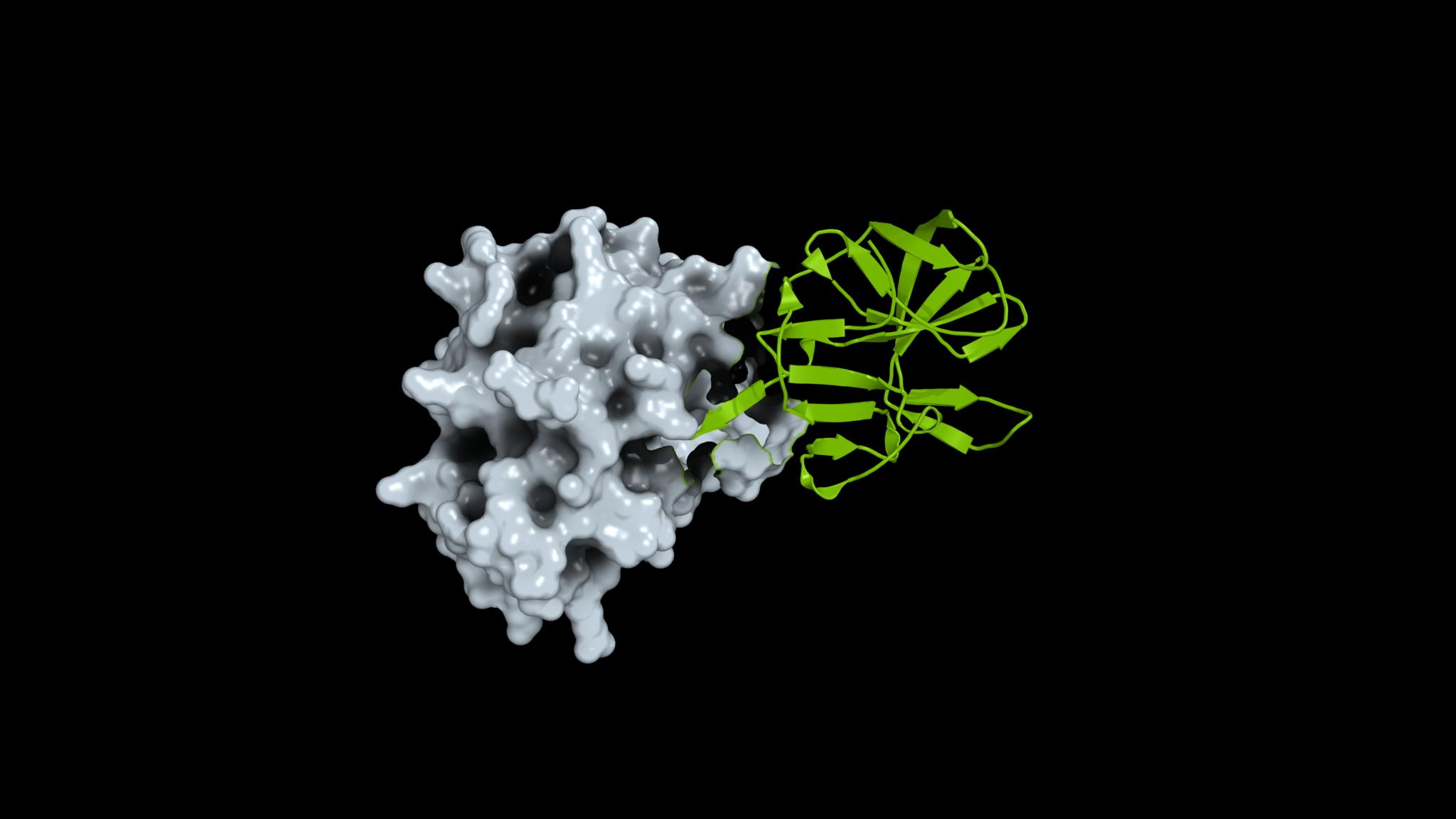
When the COVID-19 pandemic struck, researchers benefited from prior research on coronaviruses, enabling them to swiftly design vaccines. However, the next pandemic may not offer the same head start. To enhance preparedness, NVIDIA has joined forces with organizations like Google DeepMind and the European Molecular Biology Laboratory’s European Bioinformatics Institute to release predicted 3D structures for over 2,800 viruses.
These structures, derived using AlphaFold2 and optimized with NVIDIA BioNeMo, are now publicly accessible through the AlphaFold Database. This initiative aims to equip scientists worldwide with insights to combat future outbreaks. The collaboration also includes the release of NVIDIA's BioNeMo Structure Prediction Pipeline, an open-source workflow for generating predicted 3D structures from protein sequences.
With about 30% of the added protein interactions being novel, this dataset promises fresh insights for the scientific community. Most proteins function as part of complexes, and understanding their structures is crucial for vaccine and drug development. Traditional methods for determining protein structures are time-consuming and expensive, whereas AlphaFold2 can predict structures in minutes on NVIDIA GPUs.
The dataset covers a wide range of viruses, from common cold viruses to emerging threats. By making this data open, the collaboration aims to accelerate fundamental science and support pandemic preparedness efforts.
Written by urgent.news from NVIDIA Blog's reporting — not their text. Machine-written — may contain errors; check the original before relying on it.