How Ireland v Israel become the world’s most controversial fixture
IN FOCUS : The tension and anger ahead of the Nations League double header is seen as ‘unprecedented’ for a match between two countries not in conflict, reports Miguel Delaney in Dublin
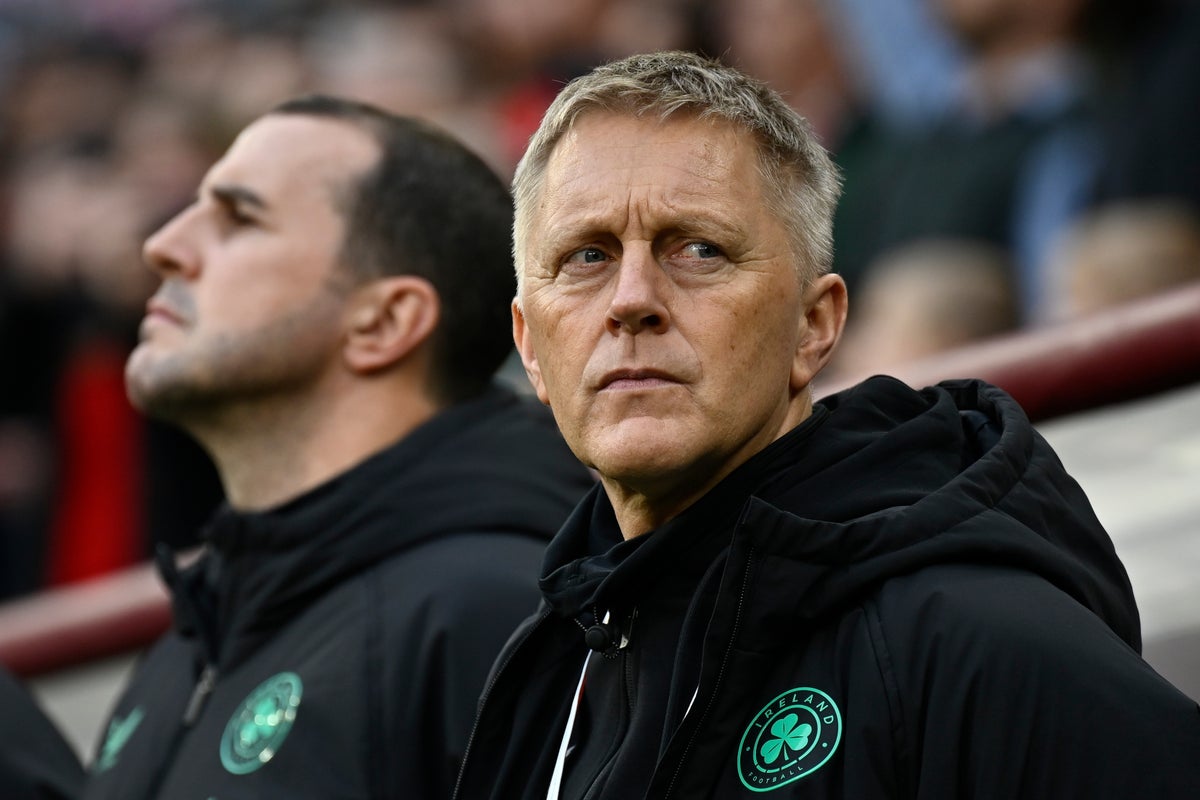
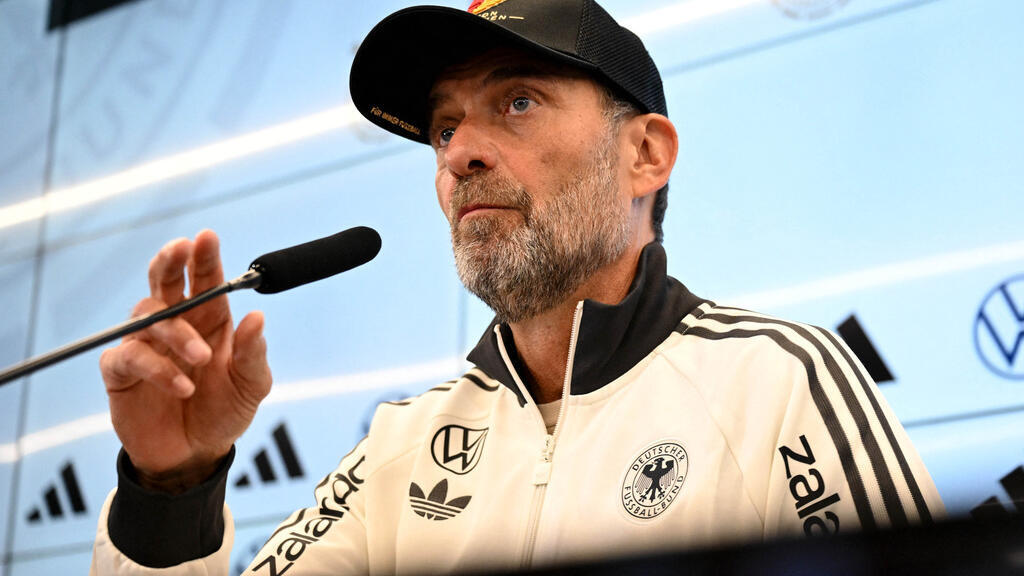
A controversial football fixture between Ireland and Israel has emerged as the world's most contentious match. Located about 2km from Dublin's Aviva Stadium, the Liberty Hall, home to Ireland's main workers' union, displayed a banner urging the national team to "Stop the Game" and "Don't play ball with genocide." Ireland's manager, Heimir Hallgrimsson, further emphasized this at his squad announcement, stating that they are "playing against genocide" but not "playing with Israel."
The fervor surrounding this fixture has shocked many, particularly the Israeli Football Association (IFA), which has threatened to file a complaint with UEFA over the coach's comments and the refusal to swap shirts post-match. International bodies such as the United Nations Commission of Inquiry have described the conflict in Gaza as a "genocide," though this claim is yet to be proven in an international court.
Israel denies the allegations. The conflict has deeply divided Irish society, leading the Football Association of Ireland (FAI) to cancel all media engagements and restrict coverage. Ireland's match against Israel is scheduled to take place in Serbia, due to operational challenges. The match will be shown live by RTE, with minimal coverage, while Serbia's LED boards will display only "respect" messages and traditional protocols like dining with opposition officials will not occur.
Written by urgent.news from Yahoo Sports's reporting — not their text. Machine-written — may contain errors; check the original before relying on it.