‘He’s not late, he’s dead’ – Matilda Amissah-Arthur questions Ghana’s language around death
Former Second Lady Matilda Amissah-Arthur has questioned the way Ghanaians speak about death, arguing that the reluctance to use direct language can make it harder for people to confront and process grief. Speaking about her experience after the death of her husband, former Vice President Kwesi Amissah-Arthur, Mrs Amissah-Arthur said she does not subscribe to […]
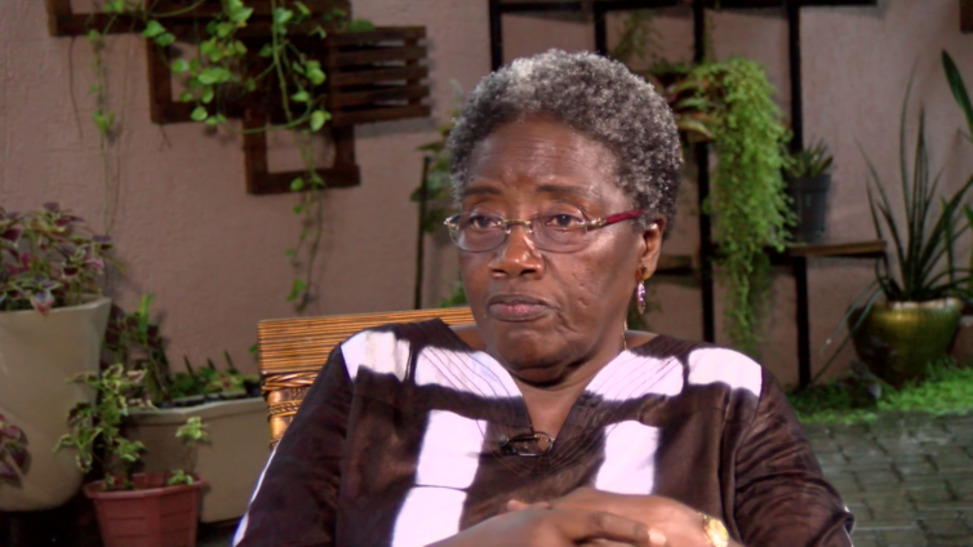
Former Second Lady Matilda Amissah-Arthur has raised concerns over the way Ghanaians speak about death, suggesting that the avoidance of direct language can hinder people from coping with grief. Reflecting on her own experience following the passing of her husband, former Vice President Kwesi Amissah-Arthur, Mrs Amissah-Arthur expressed her disapproval of the common phrase used to describe losing a loved one.
She also criticized the frequent use of "the late" when referring to someone who has passed away. "I don't like 'I lost my husband.' I didn't lose my husband. My husband died," she firmly stated.
Mrs Amissah-Arthur perceives these expressions as indicative of a broader cultural discomfort surrounding death in Ghana, where people often shy away from open discussions about demise. "We don't talk about death in this part of the world. So death is a mystery. Elsewhere, death is a common thing to talk about," she elaborated. She contends that this aversion towards discussing death can permeate the grieving process, with families sometimes refraining from mentioning the names of deceased loved ones or openly sharing memories of them.
Mrs Amissah-Arthur advocated for a more open approach, proposing that people should be encouraged to acknowledge death and discuss the person they have lost. She believed that openly confronting the reality of death could be therapeutic and aid in the grieving process, stating, "We need to confront things as they are. We need to confront.
And you see, it's good for us if we do that. It helps the healing. It’s therapeutic." For Mrs Amissah-Arthur, embracing a more candid approach to death is not about being insensitive; rather, it's about acknowledging reality and providing a platform for people to grieve openly.
Written by urgent.news from Adom Online's reporting — not their text. Machine-written — may contain errors; check the original before relying on it.