Gulf nations have found ways to keep oil flowing through the Iran war, but the costs are mounting
The workarounds are expensive and may not be sustainable
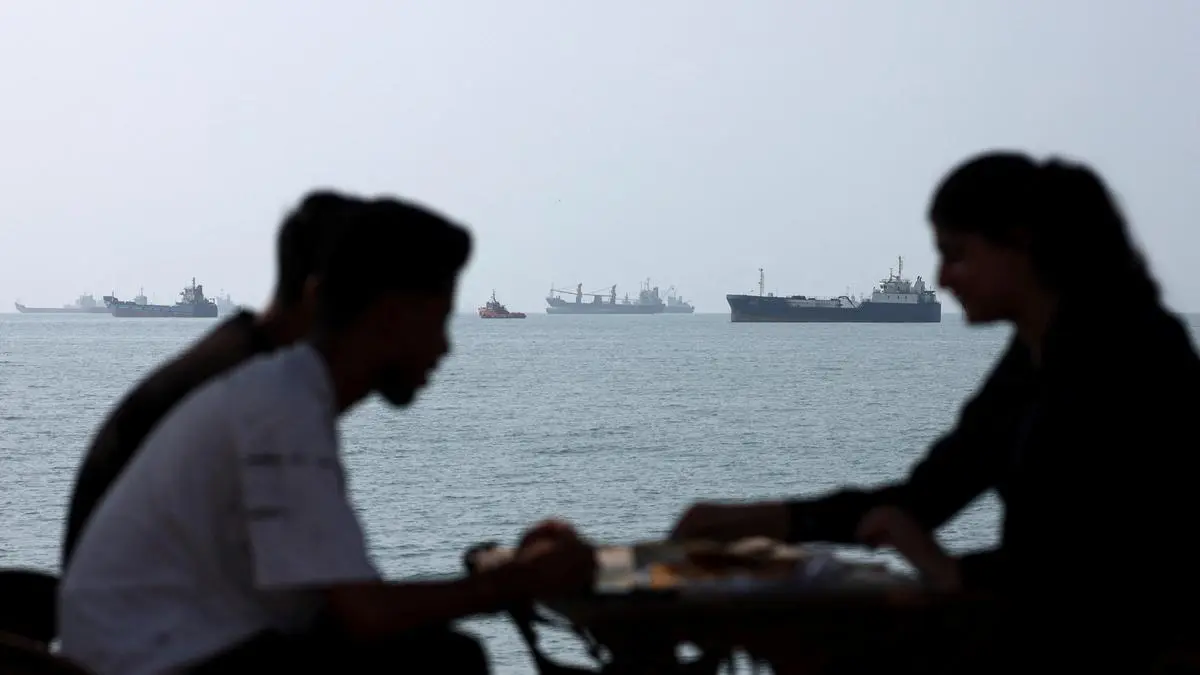
Despite Iran's closure of the Strait of Hormuz at the beginning of the war, reducing the flow of oil by 15 million barrels per day and causing global concerns, oil prices have not skyrocketed. This is due to the quick adaptation of Saudi Arabia and other Gulf producers to alternative routes and utilization of unused pipeline capacity.
When Iran targeted these routes, oil exporters and the US military found additional workarounds in a continuous game of evasion. Despite these workarounds being costly and potentially unsustainable, oil prices remain around $100 a barrel, not reaching the feared levels. Iran's continued attacks on oil facilities could potentially alter the balance, but the current supply seems sufficient to meet global demand.
Written by urgent.news from Hindu BusinessLine's reporting — not their text. Machine-written — may contain errors; check the original before relying on it.
This story
This is one outlet's version. Read the fullest account.