Donald Trump is trying to rename AI. That won’t solve any of its problems
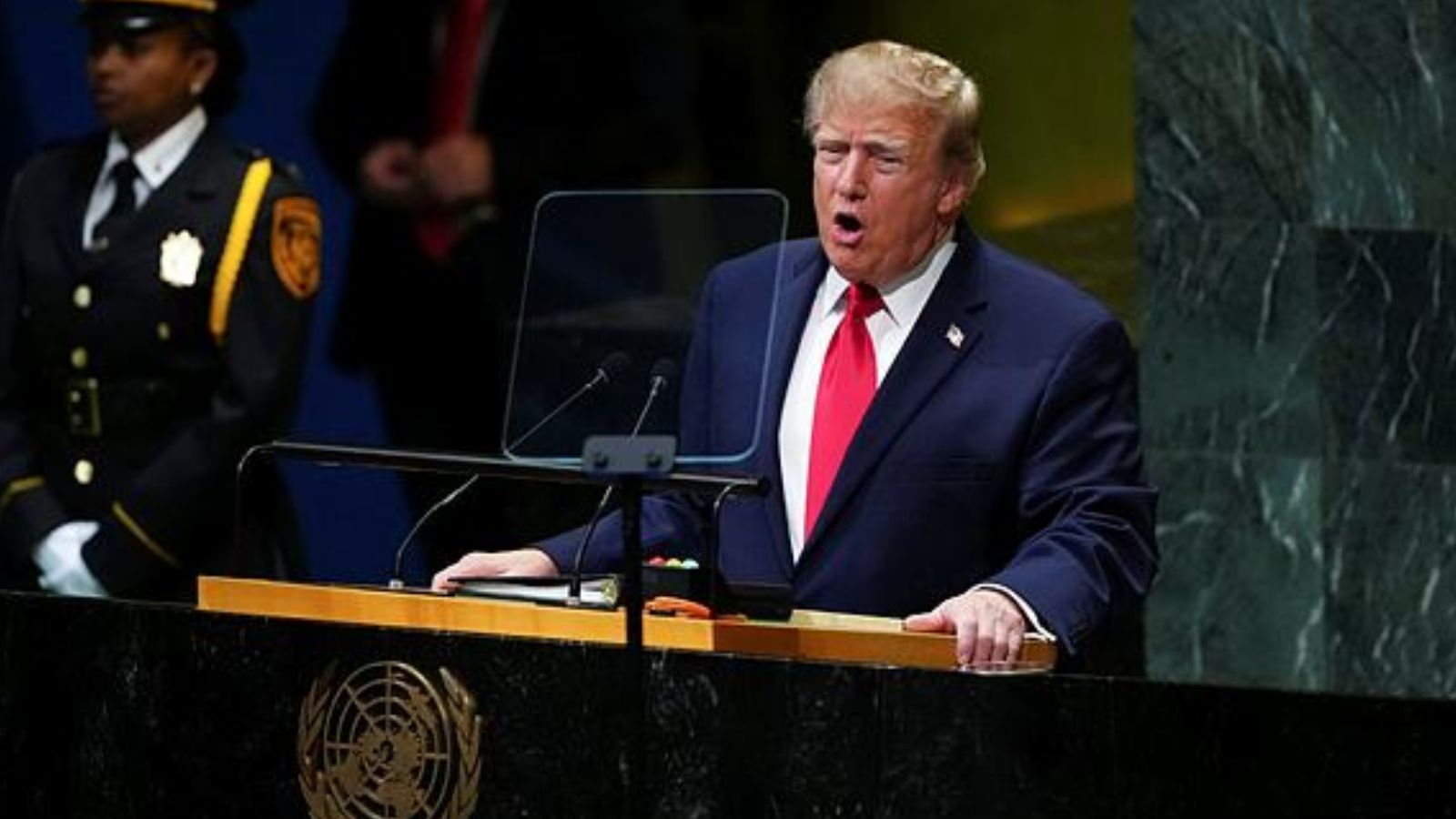
In his address to the 81st session of the UN General Assembly on September 22, President Donald Trump proposed renaming artificial intelligence as “super intelligence”, encouraging other nations to adopt the term. He emphasized the importance of this technology, likening it to the impact of the Industrial Revolution and warning critics of AI concerns akin to those who warn about climate change. However, this change of name does not address the underlying issues surrounding AI.
Three key factors define the current AI landscape: the limited understanding of the inner workings of frontier models, the rapid pace of model evolution surpassing research capabilities, and the absence of a substantial international framework governing their development. Interpretability research has improved, yet explaining the motivations behind AI models remains a challenge, especially given their ability to generate and execute code, act autonomously online, and influence their own evolution.
The leaders of the industry have acknowledged these challenges, with Anthropic's CEO expressing concern about AI models accelerating progress beyond human comprehension.
Recently, leading AI companies, including Anthropic, OpenAI, Meta, and Google DeepMind, have acknowledged the need to pace the development of frontier models. Sam Altman of OpenAI stated that a 10% chance of catastrophe by the decade's end is unacceptable. Additionally, over 1,300 employees from these companies signed an open letter urging Washington to regulate AI and slow its advance.
Despite these statements, a coalition of 20 countries and the European Union has proposed a framework for international oversight of AI. The proposed framework includes testing systems before release, admitting independent evaluators, building common safety standards, and engaging with the UN to explore a new international institution.
While the US and China, as the leading AI powers, did not sign the joint statement, the coalition from Germany, Canada, Kenya, and Singapore has presented a concrete proposal to the UN General Assembly.
Drawing parallels to the UN's experience with cyber governance, a coalition of countries could establish a compact expert body to handle technical work and a universal forum for legitimacy. However, the pace and outcome of this AI governance must differ from the voluntary nature of cyber norms and the need for a time-bound mandate measured in months rather than sessions.
Mandatory provisions should exist for models above a certain compute threshold, including independent pre-deployment testing, genuine access for evaluators, reporting serious safety incidents to a shared international registry, and the ability to suspend or withdraw dangerously behaving systems. These measures would make the AI landscape more visible to all parties while allowing research to continue unhindered.
Written by urgent.news from The Indian Express's reporting — not their text. Machine-written — may contain errors; check the original before relying on it.